

A Sweet Tradition, Reimagined
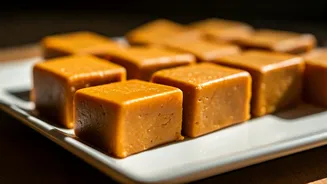
If you’ve ever explored an Indian sweet shop, you’ve likely seen barfi. The name comes from the Persian word for “snow,” and at its heart, it’s a dense, milk-based sweet with a texture somewhere between fudge and a firm cheesecake. Traditionally made
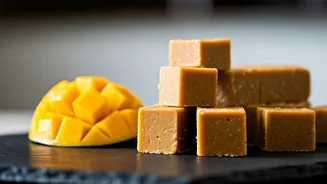
with ingredients like milk solids (khoya), sugar, and nuts, barfi is a cornerstone of celebrations, from Diwali to weddings. It’s often flavored with cardamom, rose water, or saffron. The mango version, however, feels like a modern classic. It takes this beloved celebratory sweet and infuses it with the undisputed flavor of summer, turning a year-round treat into a distinctly seasonal masterpiece. It’s the perfect example of how a traditional food can get a “glow-up,” adapting to new seasons and tastes while retaining its cultural soul.
The King of Fruits Arrives
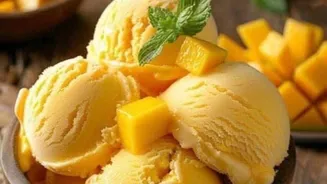
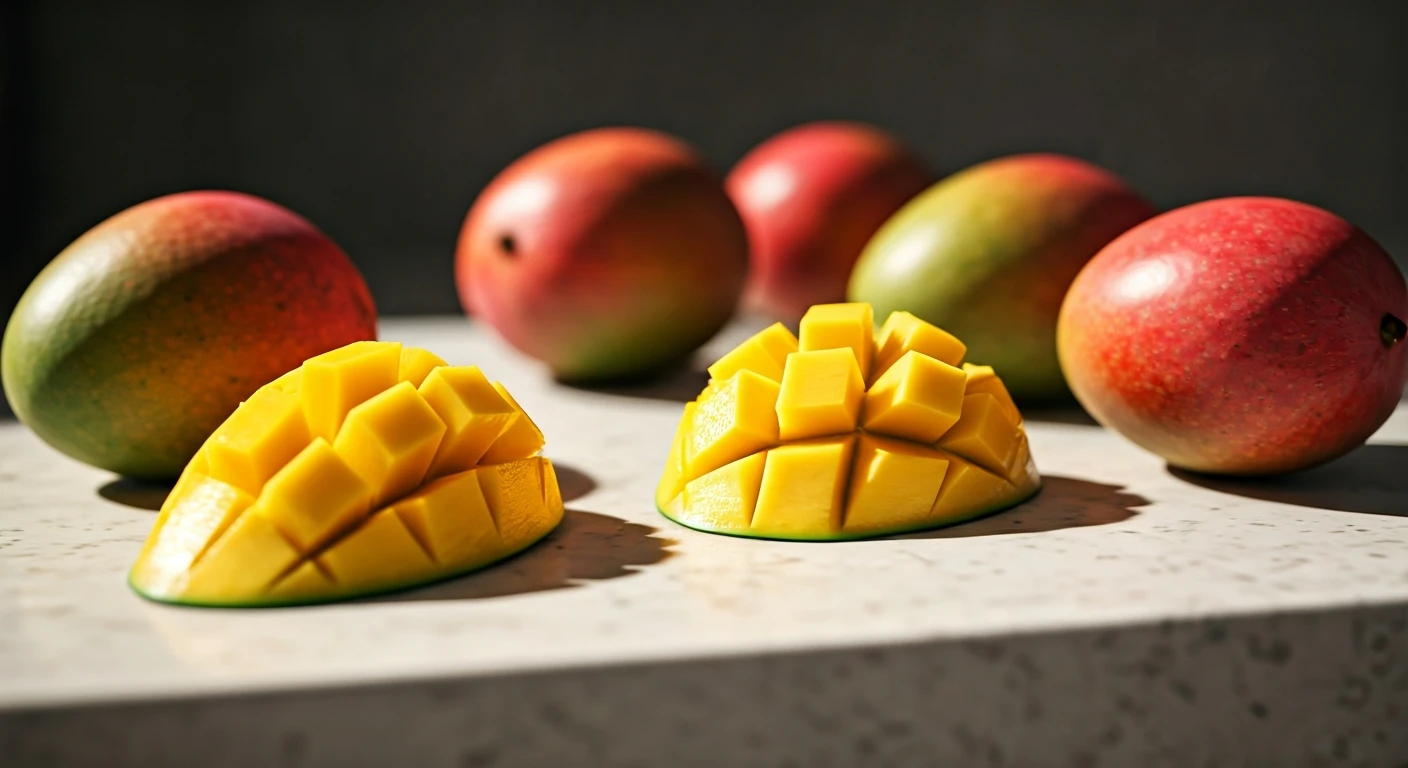
In South Asia, the arrival of mango season is an event. It’s a period of pure joy when markets overflow with dozens of varieties, each with its own unique aroma and flavor profile. For many in the diaspora, finding good seasonal mangoes—especially sweet, non-fibrous varieties like the Alphonso or Kesar—is a top summer priority. These mangoes aren't just fruit; they're nostalgia, sunshine, and home. This is why mango barfi works so beautifully. It’s not just about adding a generic fruit flavor. It’s about capturing the intense, aromatic, and almost floral sweetness of a perfect summer mango. The vibrant, saffron-orange color of the barfi comes naturally from the mango puree, creating a dessert that looks as good as it tastes and screams “celebration.”
Deceptively Simple, Deeply Rewarding
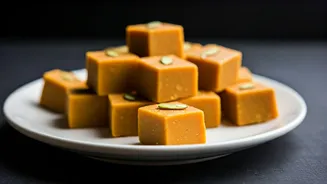
While it looks impressive, mango barfi is surprisingly straightforward to make at home, especially with a few modern shortcuts. The traditional method involves patiently cooking down milk for hours to create khoya. Today, many excellent recipes use full-fat milk powder and condensed milk to achieve a similar creamy, rich texture in a fraction of the time. The process is simple: mango puree (canned Kesar or Alphonso pulp is a fantastic, consistent option) is cooked with milk powder, a touch of sugar or condensed milk, and a generous spoonful of ghee (clarified butter). The mixture is stirred continuously over low heat until it thickens and starts pulling away from the sides of the pan. This luscious, fragrant mixture is then spread into a greased dish, left to set, and cut into squares or diamonds. It’s a low-effort, high-reward project perfect for a lazy summer afternoon.
Beyond the Basic Square
This is where the “festive glow-up” really shines. Once your barfi is set, the decorating possibilities are endless and add the final touch of elegance. A simple sprinkling of finely chopped pistachios adds a beautiful color contrast and a delightful crunch. For a more traditional and luxurious feel, slivered almonds, delicate edible silver leaf (vark), or dried, food-grade rose petals are classic choices. Don’t have any of those? A pinch of ground cardamom on top before it sets works wonders. Served chilled, mango barfi is a fantastic addition to a summer barbecue dessert table, a unique contribution to a potluck, or simply a wonderful treat to have in the fridge for a special after-dinner bite. It’s a taste of an Indian summer, ready for its American debut.