





Give Your Paint a Shield
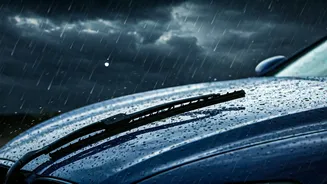
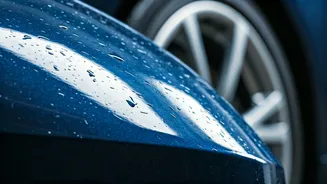
Rain isn't just water. It can be acidic and carry abrasive pollutants that eat away at your car's protective clear coat, leading to dull spots and eventually, rust. Before the heavy rains begin, give your car a thorough wash and, most importantly, apply
a quality wax. Wax does more than create a beautiful shine; it forms a hydrophobic barrier that causes water to bead up and roll off, taking dirt and contaminants with it. A good sealant or ceramic coating offers even longer-lasting protection. Think of it as a raincoat for your car's paint job. A single afternoon of work can prevent months of regret and a costly trip to the body shop.
Tackle Your Tires and Brakes
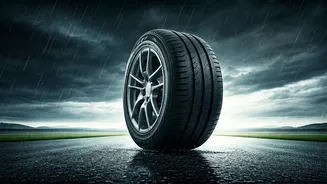
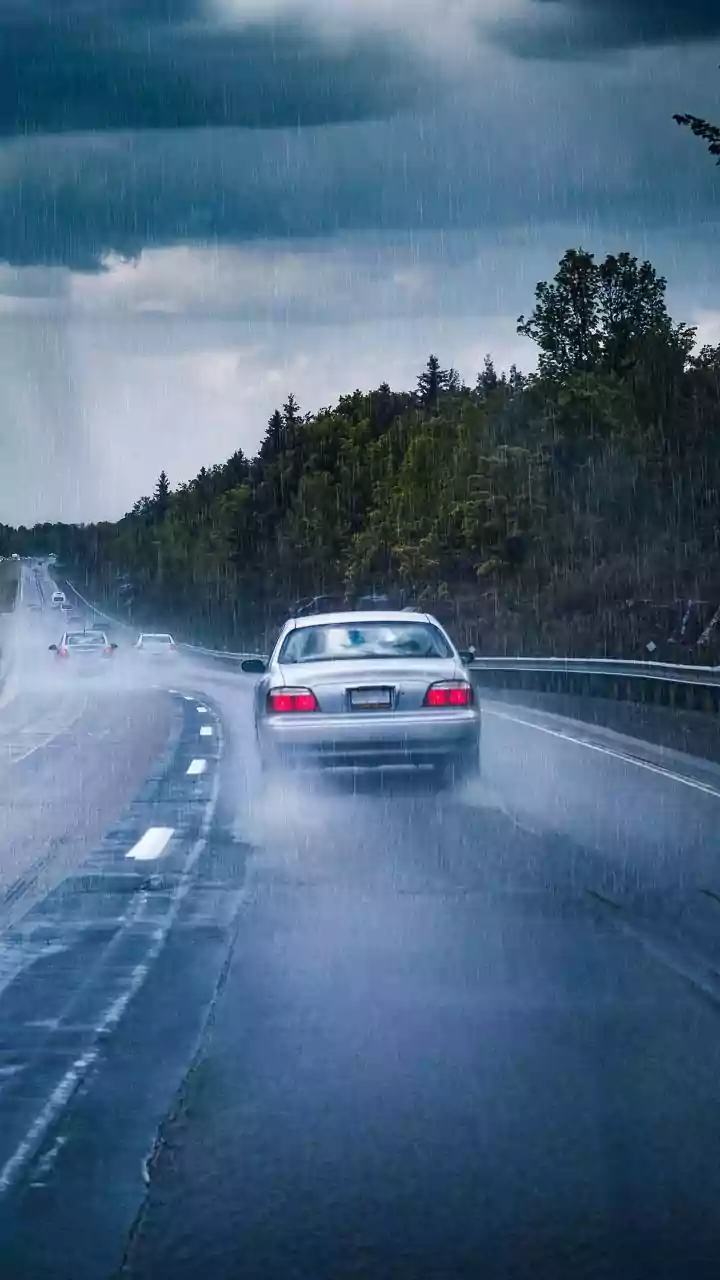
Your tires are your only connection to the road, and their job gets much harder on wet pavement. The primary danger is hydroplaning, where a layer of water builds between the tires and the road, causing a total loss of steering and braking control. To combat this, ensure your tires have adequate tread depth (use the penny test: if you can see all of Lincoln's head, you need new tires). Also, check that they are inflated to the manufacturer’s recommended pressure. Under-inflated tires are less effective at channeling water away. At the same time, have your brakes inspected. Wet conditions increase stopping distances, so you want your brake pads, rotors, and fluid to be in optimal condition.
Safeguard the Interior from Funk
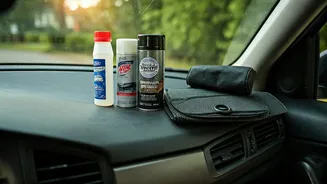
High humidity is the perfect breeding ground for mold and mildew inside your car, resulting in a musty smell that’s difficult to eliminate. The first line of defense is to ensure your car's seals are intact. Check the rubber gaskets around your doors, windows, and sunroof for cracks or damage. Swap out your carpeted floor mats for rubber or all-weather ones, which won't trap moisture and are easy to clean. If you notice persistent interior fogging on your windows, it’s a sign of excess moisture. Run your air conditioner (even in cooler weather) to dehumidify the cabin, and consider placing a moisture-absorbing desiccant pack inside.
Ensure You Can See and Be Seen
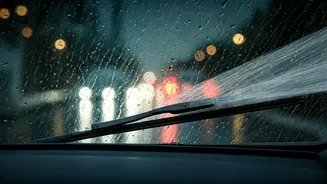
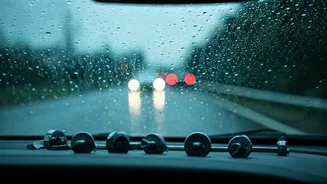
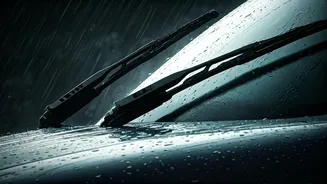
Visibility is drastically reduced during a downpour. Your windshield wipers are critical safety equipment, not an afterthought. If your current blades leave streaks, skip, or make chattering noises, replace them immediately. It's an inexpensive and easy fix that makes a world of difference. While you're at it, top off your windshield washer fluid with a solution that’s formulated to help repel rain. Also, walk around your vehicle and check all your exterior lights: headlights, taillights, and turn signals. Driving with your headlights on, even during a daytime shower, makes you significantly more visible to other drivers.
Clean the Undercarriage
The part of your car you rarely see is often the most vulnerable during the rainy season. The undercarriage gets constantly sprayed with water, mud, and road grime, which can get trapped in nooks and crannies. This trapped moisture is a major catalyst for rust and corrosion, which can compromise structural components, fuel lines, and exhaust systems over time. After driving through particularly muddy areas or at the end of a week of heavy rain, take a few minutes at a self-serve car wash to use the high-pressure wand on the underside of your vehicle. This simple rinse can wash away the corrosive buildup before it has a chance to do serious damage.