






More Than Just Steps
For years, the fitness world was dominated by high-intensity, high-cost trends—exclusive gyms, punishing bootcamps, and expensive connected equipment. The walking revolution is a direct and democratic response to that culture. It’s an acknowledgment that wellness
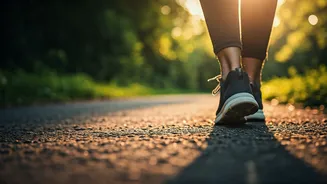
doesn't have to be complicated, expensive, or exclusive. At its core, this movement reclaims physical activity as something accessible to nearly everyone, regardless of age, income, or fitness level. It strips exercise down to its most fundamental form, reminding us that meaningful movement is a human birthright, not a luxury commodity. This shift is less about hitting a specific step count or burning a target number of calories and more about the holistic experience: getting fresh air, clearing your head, and engaging with the world at a human pace.
The Post-Pandemic Push
The COVID-19 pandemic acted as a powerful accelerant for the walking trend. As gyms closed and stay-at-home orders confined people to their immediate surroundings, the daily walk became a vital ritual. It was a sanctioned escape, a way to break the monotony of indoor life, and a method for delineating the start or end of a remote workday. This forced reconnection with our local environments had a lasting effect. People discovered parks they never knew existed, met neighbors from a safe distance, and found solace in the simple rhythm of putting one foot in front of the other. The habit stuck. For many, walking transformed from a temporary coping mechanism into a permanent and cherished part of their daily routine, a non-negotiable act of self-care.
A Mental Health Lifeline
Perhaps the most significant driver of the walking revolution is the growing awareness of its profound mental health benefits. In an age of digital overload and chronic stress, walking offers a powerful antidote. Research has consistently shown that even a brief walk can reduce symptoms of anxiety and depression, boost mood, and improve cognitive function. The bilateral movement of walking—alternating left and right—is thought to help process emotions and calm the nervous system. It’s a form of moving meditation that requires no special training. Unlike more intense forms of exercise that can sometimes feel like another stressor on a busy schedule, walking provides a gentle, restorative break that allows the mind to wander, problem-solve, and decompress. It’s a tool for mental clarity that’s free and available on demand.
Finding Your Tribe on Two Feet
While walking can be a solitary activity, its latest surge is deeply social. The viral “hot girl walk” trend on platforms like TikTok reframed walking not just as exercise, but as an act of confidence-building and mindfulness, often accompanied by a favorite podcast or playlist. It created a shared identity around a simple activity. Beyond the digital world, community walking groups are flourishing. These groups provide accountability, safety, and a much-needed source of social connection in an increasingly isolated society. They turn a personal health habit into a communal experience, fostering friendships and strengthening neighborhood bonds. Whether it’s a group of new mothers with strollers, retirees meeting at the park, or coworkers taking a lunchtime loop, walking is helping people find their tribe.
Designing Cities for People
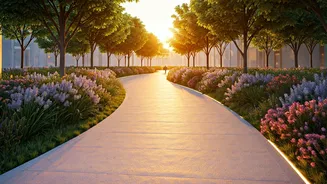
The revolution isn’t just happening on an individual level; it’s influencing public policy and urban design. City planners and local governments are increasingly recognizing the demand for and benefits of walkability. The concept of the “15-minute city,” where residents can access most of their daily needs within a short walk from home, is gaining traction across the U.S. This involves investing in wider sidewalks, safer pedestrian crossings, more green spaces, and mixed-use zoning that brings shops and services closer to where people live. As more Americans choose to walk, the pressure grows on municipalities to shift focus from a car-centric model to one that prioritizes people, creating healthier, more vibrant, and more sustainable communities for everyone.