


Why Annuals Rule in June
Before we dive into the stars of the show, let's appreciate why annuals are the perfect project for this time of year. Unlike perennials that live for multiple seasons or biennials that take two years to bloom, annuals complete their entire life cycle
in one growing season. They sprout, flower, produce seeds, and then fade away, all within a few months. This short, focused life means they have one mission: to bloom their hearts out. They are bred for performance, offering an unrivaled blast of color from late spring until the first frost. June is the ideal time to plant them. The soil is warm, the danger of a late frost has passed in most of the country, and nurseries are fully stocked with healthy, young plants ready to go. They are the garden's ultimate problem-solvers, perfect for filling empty spots, overflowing from containers, and bringing a tired flower bed back to life with minimal commitment.
The Tireless Zinnia
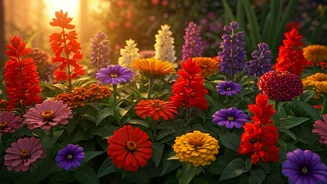
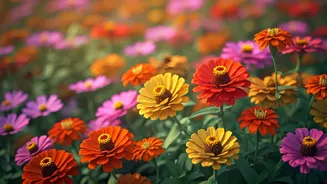
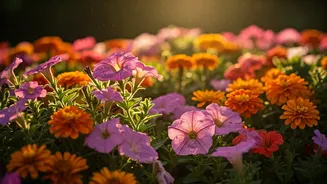
If you could plant a smile, it would be a zinnia. These classic flowers come in a rainbow of vivid colors—from electric pinks and fiery oranges to sunny yellows and crisp whites. They are incredibly easy to grow from seed or starters and thrive in full sun and summer heat, making them a low-maintenance superstar. Zinnias are also a favorite of pollinators, so planting them means you’ll be welcoming a parade of bees and butterflies to your yard. Their sturdy stems make them a fantastic cut flower, allowing you to bring that garden cheerfulness indoors. Plant them in borders or create a dedicated cutting garden patch for a season-long supply of bouquets.
The Cheerful Petunia
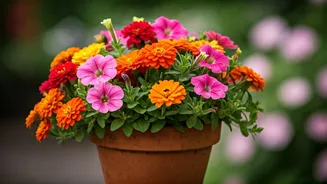
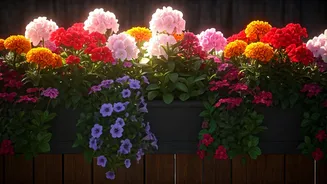
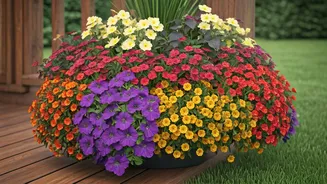
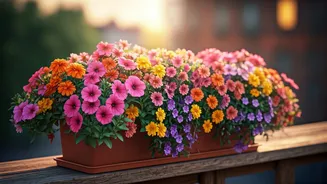
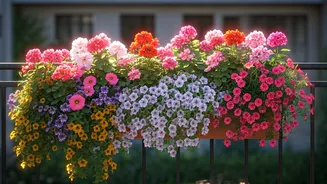
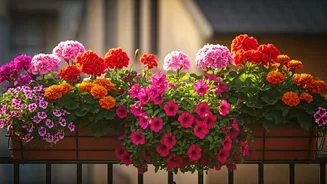
No plant says 'summer' quite like the petunia. These prolific bloomers are the workhorses of hanging baskets, window boxes, and containers. With their trumpet-shaped flowers and a scent that often sweetens the evening air, petunias bring a lush, overflowing look to any space. Modern varieties are tougher than ever, with 'Wave' petunias spreading vigorously to cover ground and 'Supertunias' bred to be self-cleaning (meaning no deadheading required) and weather-tolerant. Whether you prefer rich, velvety purples, patriotic red-white-and-blue combinations, or soft pastels, there’s a petunia that fits your vision.
The Hardy Marigold
Marigolds are a nostalgic and wonderfully functional choice. Their pom-pom-like blooms in shades of gold, orange, and deep red are a classic sight in American vegetable gardens, and for good reason. They are famously known for deterring pests like nematodes and nuisance insects, acting as a beautiful and effective companion plant for tomatoes, squash, and other edibles. They handle heat and less-than-perfect soil with grace. Beyond their protective qualities, marigolds are simply joyful. They provide a steady, reliable source of warm color all summer long with minimal fuss, asking only for sunshine and occasional watering.
The Ethereal Cosmos
For a softer, more whimsical feel, look no further than cosmos. These tall, airy plants feature delicate, daisy-like flowers that dance on slender stems, creating a beautiful sense of movement in the garden. They are perfect for adding height and a meadow-like quality to the back of a border. Despite their delicate appearance, cosmos are tough, drought-tolerant, and thrive on a bit of neglect—too much fertilizer will give you lots of leaves but fewer flowers. The classic pink, magenta, and white varieties are stunning en masse and create a dreamy, romantic backdrop for other plants.
The Radiant Begonia
Need a pop of color in a shady spot? Wax begonias are your answer. While many annuals demand full sun, begonias are happy to light up the dimmer corners of your porch or garden. They form neat mounds of glossy green or bronze leaves, punctuated by a profusion of white, pink, or red flowers that bloom nonstop until frost. They are exceptionally neat and uniform, making them perfect for creating clean borders, formal patterns, or simply filling a container on a north-facing patio. They provide that essential dose of 'happy' where other flowers might struggle.