





From 'Owner' to 'Parent'
The change starts with our words. Gone are the days when 'owner' was the default term. Today, 'pet parent' reigns supreme, a linguistic shift that signals a profound change in our relationship with animals. Calling a dog your 'fur baby' or referring to
yourself as its 'mom' or 'dad' isn't just cutesy slang; it’s a re-framing of the bond itself. This new vocabulary elevates the pet from a piece of property to a dependent member of the household, with all the emotional weight that implies. It reflects a desire for a deeper, more reciprocal connection. We don't 'own' our children, and for a growing number of Americans, the same logic applies to the four-legged members of their family.
The Wallet Speaks Volumes
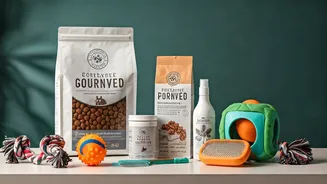
This emotional shift has a very real economic footprint. According to the American Pet Products Association, Americans spent an estimated $136.8 billion on their pets in 2022. This isn’t just for kibble and squeaky toys. The market is now flooded with products and services that mirror human consumption. We’re talking about gourmet, fresh-cooked meal subscriptions, orthopedic memory foam beds, and high-tech GPS collars. Pet insurance is one of the fastest-growing sectors, as 'parents' hedge against catastrophic vet bills for procedures that can rival human medical costs. Birthday parties, complete with custom cakes and goodie bags for canine guests, are no longer a fringe novelty. This 'humanization' of pets is a powerful economic engine, fueled by our willingness to spare no expense for our beloved companions.
Redefining the Modern Family
The integration of pets into the family structure goes beyond spending. They are now fixtures in major life events. Dogs serve as 'best dog' at weddings, appear prominently on holiday cards, and are the subject of bitter custody disputes in divorces. Companies are taking note, with a growing number of workplaces offering 'paw-ternity' leave for new pet arrivals and pet-friendly office policies. The travel industry has adapted, with hotels and airlines catering to those who can’t bear to leave their companions behind. For many, especially Millennials and Gen Z who are delaying marriage and children, pets are filling a central role. They offer companionship, routine, and unconditional love, becoming the emotional anchor of the modern, more flexibly defined family unit.
More Than Just a Pet
So, why is this happening now? Several societal trends are converging. With people marrying later and having fewer children, pets often step in to satisfy nurturing instincts. In an era of increased social isolation and digital detachment, the tangible, non-judgmental affection of an animal provides a powerful antidote to loneliness. Social media also plays a huge role. Platforms like Instagram are filled with 'petfluencers' and everyday accounts dedicated to documenting a pet's life, creating a feedback loop that normalizes and celebrates this deep human-animal bond. Fundamentally, this trend is about more than just spoiling a dog or cat. It’s about a search for connection, a redefinition of kinship, and an acknowledgment that the love we get from our animals is as real and as vital as any other.