



The Peak of the Project Recipe
It wasn't that long ago that our kitchens felt like culinary laboratories. The early 2020s, fueled by lockdowns and a sudden abundance of home time, turned many of us into ambitious amateur chefs. We chased the perfect crumb on a homemade sourdough loaf,
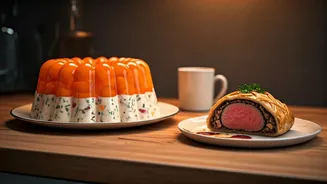
meticulously folded dumplings, and nursed kombucha scobys like precious heirlooms. Social media was a gallery of these triumphs: gravity-defying whipped coffee, elaborate focaccia art, and sous-vide experiments that promised restaurant-quality results. This was the era of the 'project recipe.' The goal wasn't just to eat; it was to achieve, to master a new skill, to create something impressive enough to post. Food brands and media leaned in, serving up complex, multi-step recipes that treated dinner as a destination. The message was clear: with enough time and effort, your kitchen could be a Michelin-starred bistro.
The Great Kitchen Burnout
But a funny thing happened on the way to culinary greatness: we got tired. The return to offices, commutes, and packed schedules meant the four-hour window for braising a short rib simply vanished. Simultaneously, economic pressures began to mount. The price of groceries skyrocketed, making a failed recipe experiment not just disappointing but a significant financial sting. That fancy cheese or specialty flour suddenly looked like a risky investment.
This convergence of time scarcity and budget consciousness created a perfect storm of 'cooking fatigue.' The same act that once felt like a creative escape began to feel like another chore on an endless to-do list. The pressure to produce something novel and exciting every night gave way to a desperate search for something—anything—that was easy, fast, and wouldn't break the bank.
Simplicity as the New Status Symbol
In this new reality, the definition of a 'good' meal is being rewritten. It’s no longer about complexity or novelty, but about reliability, comfort, and efficiency. The new hero of the kitchen isn't the person with a perfectly proofed baguette; it's the person who can get a delicious, satisfying dinner on the table in 30 minutes using ingredients they already have.
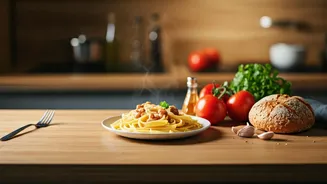
This is where quick meals are winning. Think one-pan sheet dinners that minimize cleanup, 'dump-and-go' slow cooker recipes, and endlessly versatile pasta dishes. The air fryer, once a novelty gadget, has become a weeknight workhorse for its ability to deliver crispy results with minimal effort. The new status symbol isn't a rare ingredient, but a well-stocked pantry that enables improvisation and speed. It's a quiet rebellion against the tyranny of the aspirational meal.
The Rise of 'Realistic' Food Content
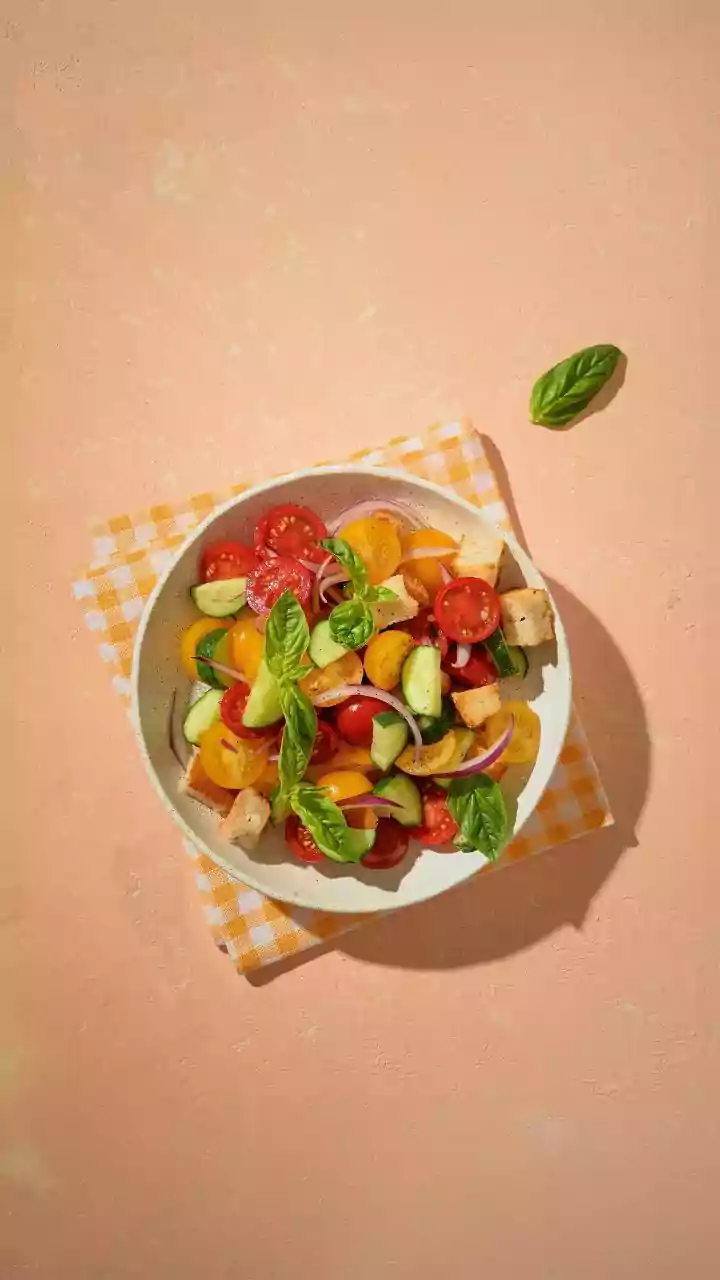
Even our digital diets are reflecting this shift. While stunning food photography still has its place, there's a growing appetite for 'realistic' food content. TikTok and Instagram creators are gaining massive followings not for their most elaborate creations, but for their 'what I actually eat in a day' videos, their budget-friendly grocery hauls, and their 15-minute meal hacks.
Food publications and brands are catching on. Recipe headlines now proudly feature words like 'easy,' 'quick,' '5 ingredients,' and 'no-fuss.' NYT Cooking's most popular recipes aren't always the most gourmet, but the most dependable. This isn't the death of creativity in the kitchen. Instead, it's a recalibration, where creativity is expressed through smart shortcuts and flavorful combinations rather than laborious techniques.