




The Gut-Brain Connection Is Real
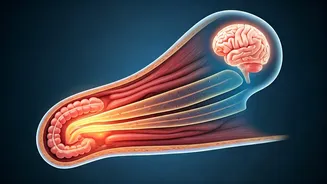
It’s not just in your head—that gloomy, lethargic feeling that sets in during a long stretch of rain has a biological component. Our bodies and minds are deeply connected, and the highway between them is the gut-brain axis. This communication network
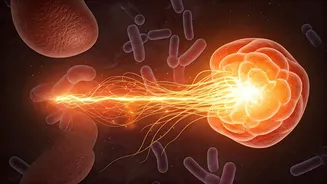
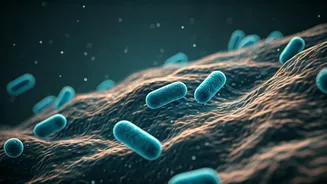
links your digestive system with your central nervous system. A significant portion of your body's serotonin, a key neurotransmitter that regulates mood, is actually produced in your gut. When your gut microbiome—the trillions of bacteria living in your digestive tract—is out of balance, it can directly impact your mental state, potentially amplifying feelings of sluggishness or low mood that often accompany dreary weather and reduced sunlight.
Fortify Your Immune Defenses
Rainy seasons often mean more time spent indoors, in closer contact with others, which can be prime time for seasonal bugs to spread. While you’re washing your hands and getting your flu shot, don’t forget to reinforce your body’s first line of defense: your gut. Roughly 70% of your immune system is housed in your gastrointestinal tract. A diverse and healthy gut microbiome helps regulate your immune response, making it more effective at fighting off pathogens without overreacting and causing unnecessary inflammation. By nurturing your gut flora, you’re essentially training your internal army to be smarter and stronger just when you need it most.
Stocking Your Gut-Friendly Pantry
So, how do you turn this knowledge into a delicious reality? It’s simpler than you think. Making your diet more gut-friendly isn’t about restriction; it’s about adding nourishing, powerful ingredients to your meals. Here are the key categories to focus on when you’re stocking up for a cozy week indoors.
Probiotics: The Good Bacteria
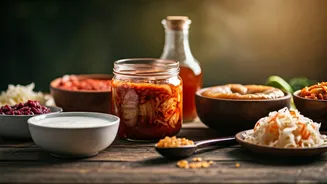
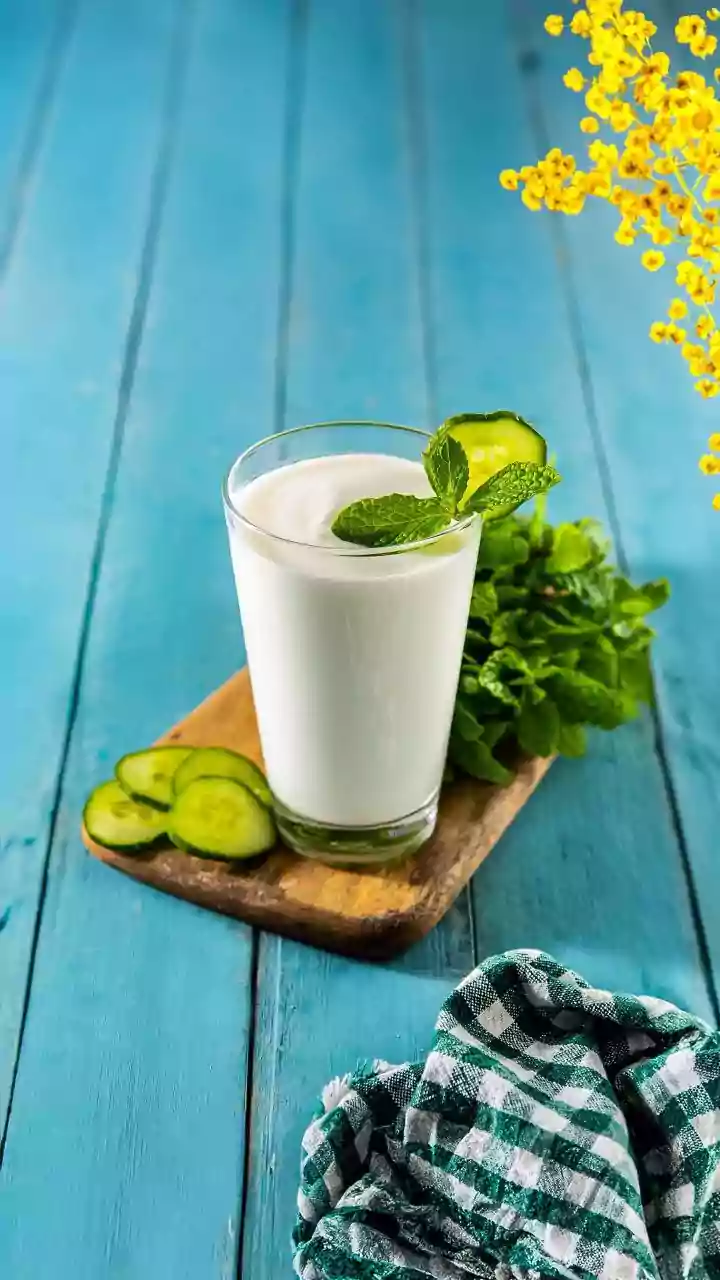
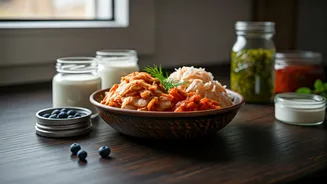
Probiotics are live, beneficial bacteria that help restore and maintain a healthy balance in your gut. They’re the reinforcements you call in to bolster your microbiome. Think of them as the friendly microbes that crowd out the bad guys. Smart picks: Plain Greek yogurt and kefir are fantastic, creamy bases for smoothies or breakfast bowls. For a savory kick, add fermented foods like kimchi to your rice bowls or eggs, or top a sandwich with sauerkraut (look for brands in the refrigerated section that say “live cultures”). Sipping on kombucha is another easy way to get a dose of probiotics.
Prebiotics: Food for Your Friends
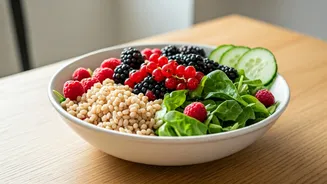
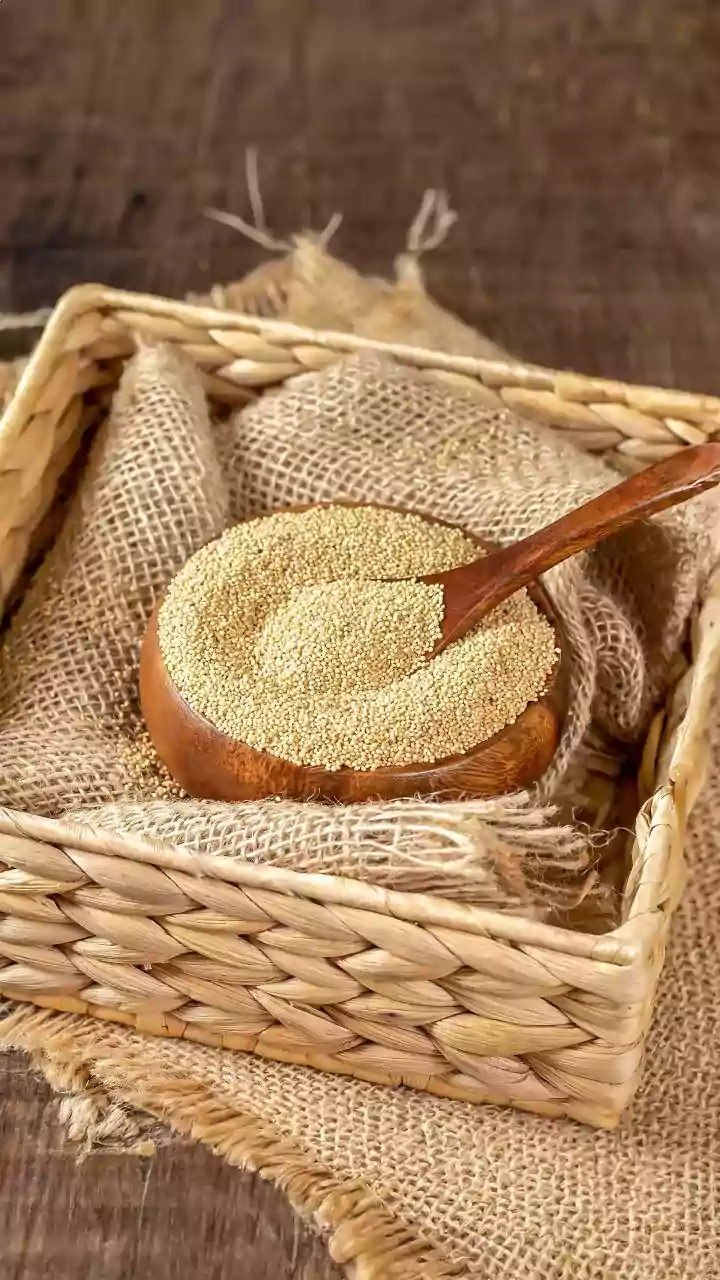
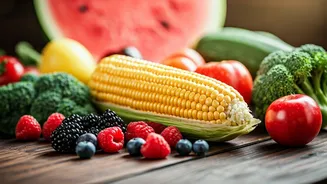
If probiotics are the good bacteria, prebiotics are their food. These are specialized plant fibers that your body can’t digest but your beneficial gut bacteria love to feast on. Feeding them helps them thrive and multiply, keeping your gut ecosystem flourishing. Smart picks: Many prebiotic-rich foods are perfect for hearty, rainy-day meals. Start your morning with a warm bowl of oatmeal topped with a sliced banana. For lunch or dinner, incorporate onions, garlic, and leeks as a base for soups and stews. Legumes like lentils, chickpeas, and beans are not only packed with prebiotic fiber but are also fantastic for making comforting chilis and curries.
Polyphenols: The Antioxidant Bonus
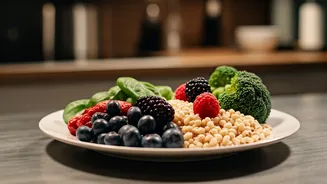
Polyphenols are plant-based compounds that act as antioxidants, fighting inflammation and cellular damage. They also have a prebiotic-like effect, encouraging the growth of beneficial bacteria while inhibiting harmful ones. They’re a double win for gut health and overall wellness. Smart picks: What better rainy-day treat than a piece of high-quality dark chocolate (70% cocoa or higher)? Berries, whether fresh or frozen, are another potent source you can add to yogurt or oats. And a warm mug of green tea is not only comforting but also loaded with polyphenols that your gut will thank you for.