


First, What Even Is Buttermilk?
Let’s clear up a common misconception. The buttermilk you buy at the grocery store today is probably not the same stuff your great-grandmother knew. Traditionally, buttermilk was the thin, tart liquid left over after churning cream into butter. While
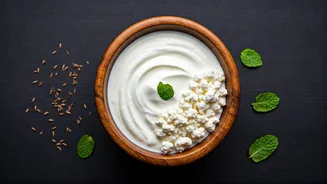
that version still exists on some farms, the product most Americans are familiar with is ‘cultured buttermilk.’ This modern variety is made by adding live and active bacterial cultures—specifically lactic acid bacteria—to low-fat or skim milk. The bacteria ferment the lactose (milk sugar), creating the signature tangy flavor and slightly thickened consistency. This process is key, because it’s what transforms ordinary milk into a probiotic powerhouse.
A Boost for Your Gut
The phrase ‘gut-friendly’ gets thrown around a lot, but in buttermilk’s case, it’s earned. The ‘live and active cultures’ used in its production are a form of probiotics. These are beneficial microorganisms that, when consumed, can help support the health of your gut microbiome—the complex community of trillions of bacteria living in your digestive tract. A balanced microbiome is linked to better digestion, a stronger immune system, and overall wellness. While buttermilk isn’t a cure-all, incorporating fermented foods like it into your diet is a simple way to introduce these friendly bacteria. It contains different strains than yogurt or kefir, adding beneficial diversity to your gut. Think of it as adding new, helpful players to your internal team.
The Ultimate Summer Refresher
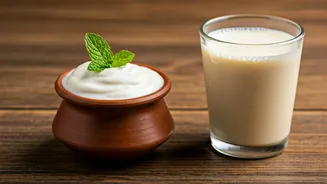
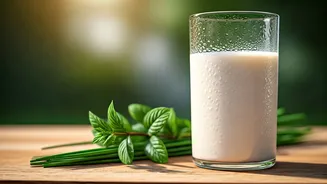
So why is it a ‘summer’ hero specifically? For starters, buttermilk is surprisingly hydrating. It’s mostly water but also contains electrolytes like potassium and calcium, which help your body replenish what it loses through sweat. In many parts of the world, from India to the American South, a cold glass of spiced or salted buttermilk is a traditional remedy for beating the heat. The tangy flavor itself is inherently refreshing, cutting through the sluggish feeling a hot day can bring. Unlike sugary sodas or heavy milkshakes that can leave you feeling weighed down, a glass of buttermilk is light yet satisfying. It cools you from the inside out, making it an ideal beverage for a sweltering afternoon.
More Than Just Pancakes and Biscuits
Most of us associate buttermilk with baking, where its acidity reacts with baking soda to create a fluffy, tender crumb. But its culinary uses go far beyond that. Its enzymes and acidity make it a phenomenal marinade for chicken, pork, or fish, tenderizing the meat and keeping it incredibly moist during cooking. Fried chicken soaked in buttermilk is a classic for a reason. It’s also the perfect base for creamy salad dressings. You can make a healthier, tangier alternative to store-bought ranch or Caesar dressing in minutes. Blend it into smoothies for a probiotic kick and a pleasant tartness that pairs well with sweet fruits. Or, do as many do around the world: pour a glass, add a pinch of salt, some chopped mint or cilantro, and enjoy it as a savory, cooling drink.
How to Buy the Right Stuff
To get the gut-health benefits, you need to make sure you’re buying the right product. When you're at the store, check the ingredient list on the carton. You want to see the words ‘live and active cultures’ on the label. This confirms that the beneficial bacteria are present. Most major brands of cultured buttermilk in the U.S. will contain them. Once you get it home, store it in the coldest part of your refrigerator to maintain its freshness and keep the cultures alive. Like other dairy products, give it a good shake before each use, as separation is natural. Don’t be afraid to buy a full quart—with its versatility in dressings, marinades, and drinks, you’ll find it’s surprisingly easy to use it all up.