




A Mountain Range Reborn
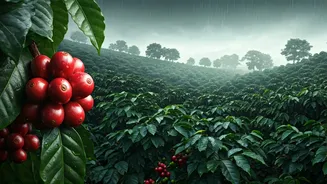
For much of the year, the hillsides of the Western Ghats—a UNESCO World Heritage site and one of the world's most important biodiversity hotspots—are a tinder-dry brown. This ancient mountain range, older than the Himalayas, runs parallel to the western
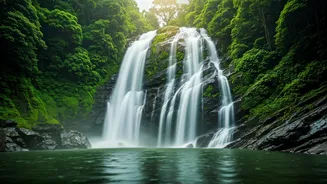
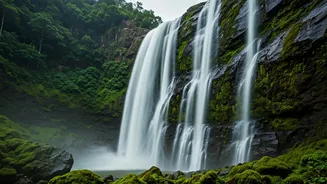
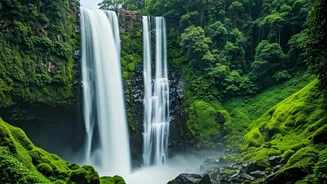
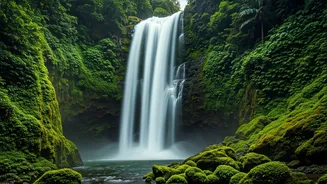
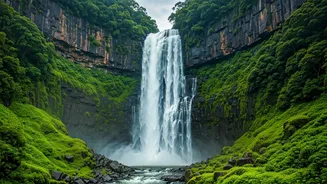
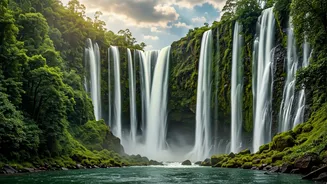
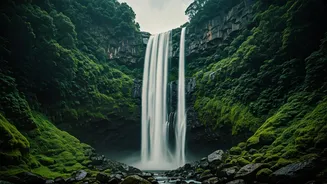
coast of India, creating a formidable barrier that shapes the subcontinent's weather. But from June to September, the monsoon arrives. The change is biblical. Dry riverbeds surge to life, and the parched landscape erupts into an almost impossibly vibrant green. The true stars of this transformation are the waterfalls. Trickles become torrents, and cliffs that were bare rock for months suddenly weep, then roar, with cascades of water. This is the season when places like Dudhsagar, Thoseghar, and the innumerable falls in regions like Coorg and Amboli Ghat are reborn, drawing visitors from across the country.
The Instagram Pilgrimage
In decades past, a trip to see the monsoon waterfalls was a local affair—a family outing, a romantic drive. Today, it’s a full-blown cultural phenomenon, driven by the powerful currents of social media. The phenomenon isn't just about seeing the waterfall; it's about getting *the* shot. The scene is familiar to anyone who has visited an American national park recently: a sea of people, phones held aloft, all vying for the perfect angle. In the Western Ghats, this translates into convoys of cars and motorcycles clogging narrow mountain roads, and crowds of young people in colorful rain gear creating a festival-like atmosphere. The goal is to capture the sublime power of the falls in a frame that can be posted to Instagram or a WhatsApp status, a digital trophy proving you were there. This visual pilgrimage is fueled by a feedback loop: the more stunning photos appear online, the more people are inspired to make the journey themselves the following weekend.
An Unruly Tide of Tourists
The explosion in popularity has come at a cost. What should be a serene natural experience often descends into chaos. On peak weekends, traffic can be backed up for miles, turning a two-hour drive into a six-hour ordeal. At the falls themselves, the sheer volume of people presents significant safety risks. Slippery, algae-covered rocks and sudden surges in water levels have led to tragic accidents. The environmental toll is also mounting. Fragile trails are eroded by foot traffic, and the stunning scenery is often marred by plastic bottles, food wrappers, and other trash left behind by the crowds. For local communities, the influx is a double-edged sword. While some small businesses benefit from the weekend rush, the strain on local infrastructure—from waste management to emergency services—can be overwhelming. The noise and congestion disrupt the very tranquility that made the region special in the first place.
Balancing Beauty and Burden
Local authorities and environmental groups are grappling with how to manage this seasonal deluge. In some of the most popular and problematic spots, new rules are being implemented. At Dudhsagar Falls in Goa, for instance, access has been more strictly controlled, with visitor numbers capped and mandatory life jackets for anyone entering the water. In other areas, police have had to temporarily close roads to prevent gridlock. Proposals range from introducing entry fees and online booking systems—similar to what’s used at many U.S. National Parks—to promoting lesser-known waterfalls to distribute the crowds more evenly. The core challenge is a universal one: how to allow people to connect with nature without letting that love destroy the object of their affection. It's a delicate balancing act between promoting tourism and preserving the ecological integrity of a globally significant landscape.