


The Allure of the Rain Bath
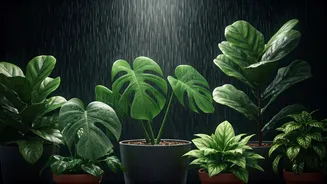
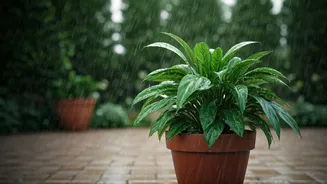
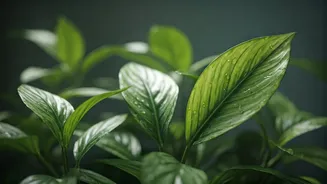
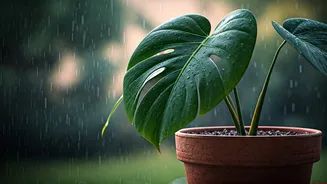
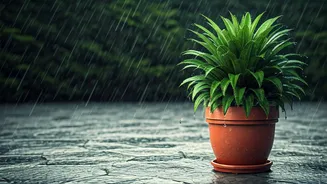
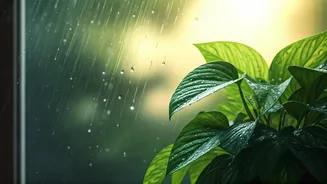
The concept is simple: when it rains, you take your indoor plants outside for a natural shower. Proponents, often showcasing vibrant, dewy foliage on TikTok and Instagram, swear by the practice. They claim it’s a reset button for lackluster leaves and sluggish
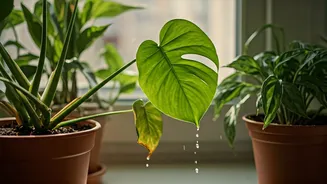
growth, a sort of spa day courtesy of Mother Nature. The visual of a happy plant glistening with raindrops is undeniably appealing, fueling a trend that positions rainwater as a superior, almost magical alternative to what comes out of the tap. For many, it’s an intuitive step—returning a domesticated plant, however briefly, to the elements it was designed for.
The Case For: Nature’s Soft Water
The pro-rain contingent has science on its side. Unlike treated tap water, which can be alkaline and contain chlorine and fluoride, rainwater is naturally soft and slightly acidic. This lower pH helps plants absorb nutrients more efficiently from the soil. Rainwater also contains small amounts of nitrates—a form of nitrogen that plants can readily use for growth, essentially offering a very mild dose of fertilizer. Furthermore, a gentle shower is an excellent way to wash accumulated dust off leaves. Clean leaves are better able to photosynthesize, improving the plant’s overall health and giving it that sought-after glossy look. It's a free, all-natural cleansing and feeding session in one.
The Case Against: A Risky Gamble
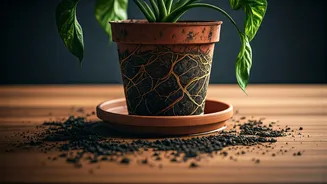
However, the cautionary tales are just as common. The biggest risk is overwatering. If your pot doesn’t have excellent drainage, a sudden downpour can quickly lead to waterlogged soil, suffocating the roots and causing the dreaded root rot—a death sentence for many houseplants. There’s also the danger of physical damage. A torrential storm can shred delicate leaves and break fragile stems. Temperature shock is another concern; a plant accustomed to a stable 70-degree living room might not appreciate a sudden drenching in cold rain. Finally, the great outdoors is full of critters. Placing your plants outside, even for a short time, is an open invitation for pests like spider mites, aphids, and slugs to hitch a ride back into your home.
A Guide to a Safer Soak
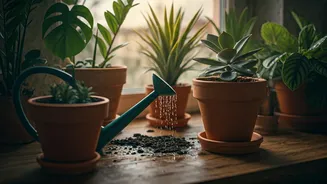
If you want to try a rain bath without traumatizing your green friends, strategy is key. First, choose the right kind of rain: a gentle, steady shower is ideal, not a violent thunderstorm. Second, check your pots. Only plants in containers with ample drainage holes should go outside. If you’re worried about a deluge, you can simply collect rainwater in a bucket and use it to water your plants indoors. Before bringing them back inside, give each plant a thorough inspection. Check the undersides of leaves and the surface of the soil for any unwanted guests. It's also wise to quarantine rain-bathed plants for a few days away from the rest of your collection, just in case any pests slipped by.
Know Which Plants Should Stay Inside
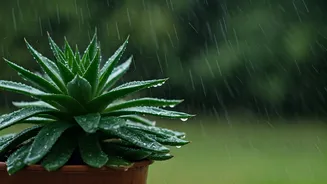
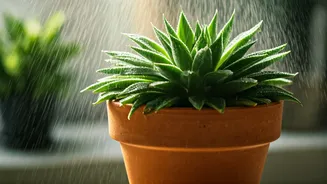
A rain bath is not a one-size-fits-all treatment. Certain plants are poor candidates and are better off staying dry. Cacti and succulents, which are adapted to arid conditions and highly susceptible to root rot, should almost always skip the shower. Plants with fuzzy leaves, like African violets, can trap water on their foliage, leading to fungal spots and rot. Similarly, extremely delicate plants or those that have been recently repotted and are still acclimating to a new environment should be kept in a stable, protected setting. For these sensitive types, the risks of a rain bath far outweigh any potential benefits.