




Start with the Obvious: Bedding
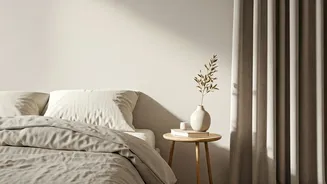
The bedroom is the easiest and most impactful place to introduce linen. A minimalist bedroom—often defined by a simple platform bed, neutral walls, and sparse furniture—can feel unwelcoming. Swapping crisp cotton or sateen sheets for their linen counterparts
instantly changes the room's entire mood. Linen’s natural wrinkles, known as “slubs,” create a rumpled, lived-in elegance that feels both luxurious and approachable. Unlike perfectly pressed hotel bedding, linen invites you in. It doesn't demand perfection; its beauty lies in its imperfection. This relaxed quality adds a layer of visual interest and tactile comfort that a flat, uniform surface simply can't match. For an immediate transformation, opt for a duvet cover and pillow shams in an earthy neutral like oatmeal, slate gray, or soft white.
Soften Hard Lines with Curtains
Minimalist architecture often features large, unadorned windows and sharp angles. While this maximizes natural light, it can also create a harsh, gallery-like atmosphere. Linen curtains are the perfect solution. Their semi-sheer quality diffuses sunlight beautifully, casting a soft, ethereal glow that softens the entire room without blocking the view. The way linen drapes is key—it hangs with a relaxed, weighty grace that adds a touch of organic movement. This subtle motion and gentle filtering of light break up the rigid geometry of a space, making it feel more dynamic and serene. Choose long curtains that pool slightly on the floor to enhance this effect, turning your windows from stark openings into soft-focus features.
Layer Throws and Pillows
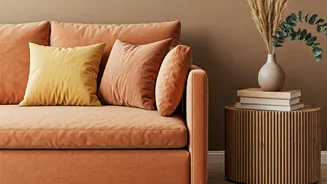
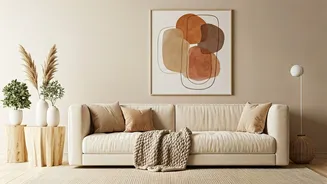
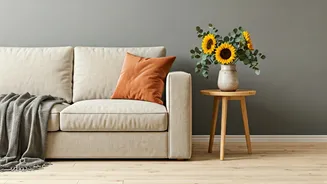
If you’re not ready to commit to bedding or curtains, throws and pillows are your low-stakes entry point into the world of texture. A single linen throw blanket casually draped over a sleek, modern sofa immediately disrupts its monolithic form. The contrast between the sofa’s clean lines and the fabric’s gentle crinkles creates a focal point and an invitation to get comfortable. The same goes for accent pillows. A pair of oversized linen pillows on a structured armchair or sectional adds a necessary layer of softness. This is a designer’s go-to trick for preventing a living room from looking like a showroom. The key is to keep it effortless. Don't karate-chop the pillows or fold the throw perfectly; let them land naturally to embrace linen's relaxed vibe.
Bring Tactile Warmth to the Table
The dining room or kitchen nook is another space that often suffers from minimalist coldness. Hard surfaces like wood, stone, or metal dominate. A simple linen tablecloth or a set of linen napkins can completely re-contextualize the area, transforming it from a purely functional zone into a warm, gathering spot. Even when not in use, a casually laid linen runner adds a permanent layer of texture. For meals, linen napkins feel substantially more special than paper and more rustic than starched cotton. This touch of textile makes everyday dining feel more intentional and hospitable, encouraging lingering conversations and a slower pace.
Consider Upholstery for a Deeper Commitment
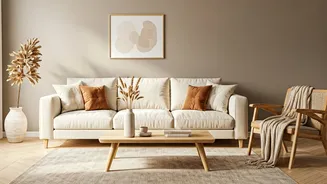
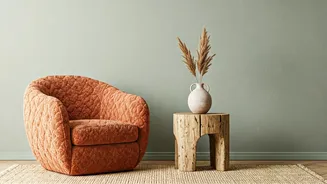
For those fully committed to the soft minimalist aesthetic, linen upholstery is the ultimate expression. A sofa, armchair, or dining chair covered in a durable linen-blend fabric brings texture to the largest pieces in a room. It’s a bold move that pays dividends in warmth and sophistication. A linen-upholstered sofa, for instance, becomes the textural anchor of the living room, its subtle weave adding depth that a flat polyester or leather simply cannot. While pure linen can be prone to wrinkling, modern linen blends offer increased durability and wrinkle-resistance, making them practical for everyday furniture. It’s a choice that says your home is meant to be lived in, not just looked at.