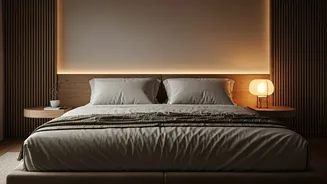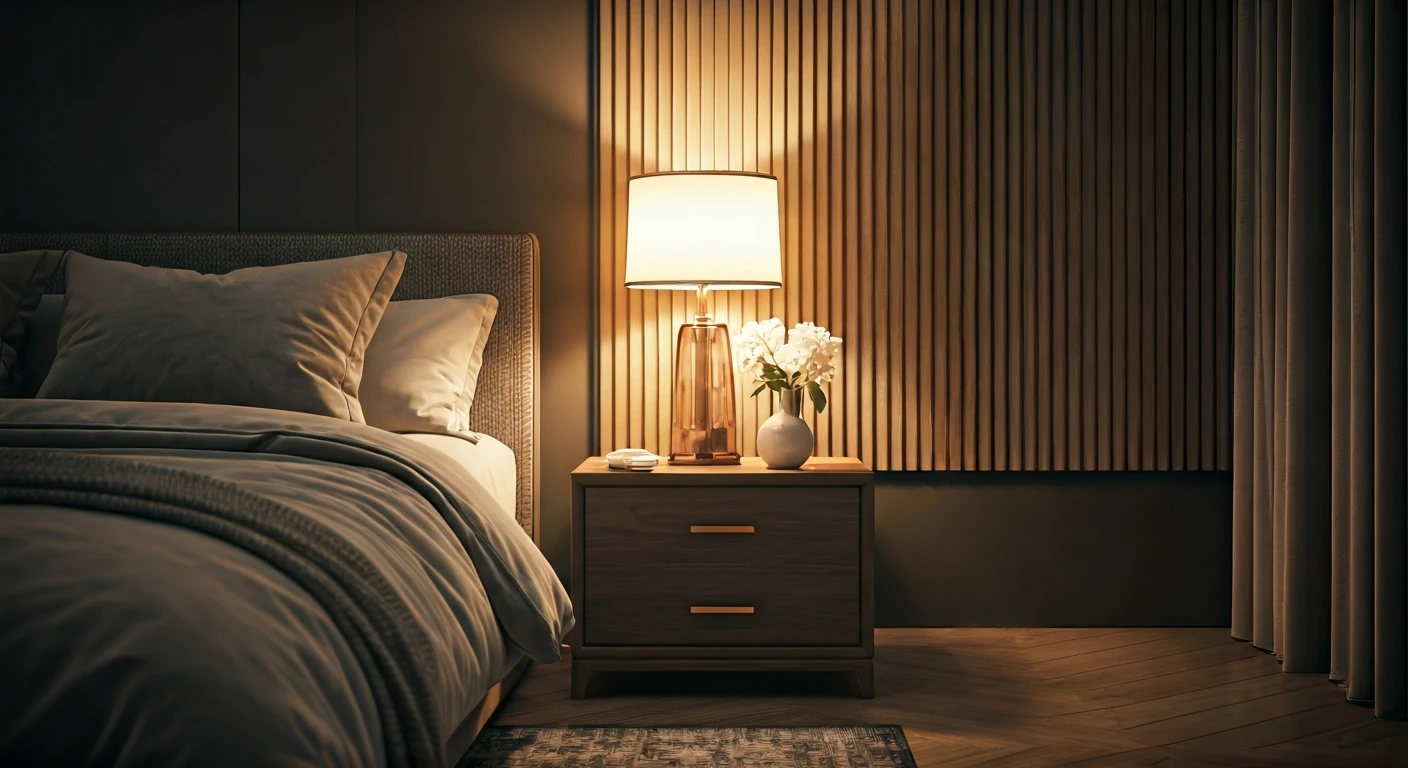






Beyond the Mint on the Pillow
The old joke about needing a vacation from your vacation has long held a kernel of truth. Hectic itineraries, jet lag, and unfamiliar beds often left travelers returning home more exhausted than when they departed. The luxury hotel industry, once content
to offer passive comforts like plush robes and blackout curtains, has decided this is a problem it can—and should—solve. We’ve entered the era of ‘sleep tourism,’ a movement that reframes a hotel stay not as a disruption to your routine, a-but as a chance to actively restore and improve your body’s most essential function: rest. This isn’t about marketing fluff with a new name. It’s a fundamental shift, moving from providing a place to sleep to curating a comprehensive, science-backed sanctuary for slumber.
The High-Tech, High-Touch Arsenal
So, what does this new focus on sleep actually look like? It’s an arsenal of amenities that would have sounded like science fiction a decade ago. At high-end properties, you can now find AI-powered mattresses, like the Bryte Restorative Bed, that dynamically adjust firmness throughout the night to eliminate pressure points and gently lull you back to sleep if you stir. Some hotels have partnered with brands like Hästens, whose six-figure beds are a centerpiece of the experience. The offerings extend far beyond the bed itself. We’re seeing dedicated ‘sleep concierges’ who consult with guests on their needs, elaborate ‘pillow menus’ that include options for temperature control and aromatherapy, and curated in-room soundscape machines. Brands like Rosewood Hotels & Resorts have launched entire ‘Alchemy of Sleep’ retreats, multi-day programs designed by sleep experts that include everything from meditation and specialized spa treatments to nutrition plans aimed at promoting deep, restorative rest. It's a holistic, all-out assault on sleeplessness.
Why Now? The Wellness Gold Rush
This trend isn't happening in a vacuum. It’s the direct result of a perfect storm of cultural and economic forces. Firstly, we are a chronically sleep-deprived society. The CDC calls insufficient sleep a ‘public health epidemic,’ and a generation raised on the gospel of ‘hustle culture’ is now waking up to the crippling cost of burnout. Secondly, the global wellness market is a multi-trillion-dollar industry, and ‘the sleep economy’ within it is booming. From meditation apps to weighted blankets, consumers have shown they are willing to spend significant money to fix their sleep. Luxury travel brands saw an opportunity. The post-pandemic landscape amplified this, with travelers more conscious of their health and well-being than ever before. A vacation is no longer just about sightseeing; for many, it's a crucial tool for mental and physical recovery. Hotels are simply meeting that demand, packaging restoration as the ultimate luxury good.
An Investment in Rest or a Gimmick?
Naturally, this level of service comes at a steep price, prompting a fair question: Does it actually work, or is it just an expensive gimmick? The answer is nuanced. No hotel, no matter how luxurious, can cure chronic insomnia or a serious sleep disorder in a few nights. Experts agree that long-term sleep health depends on consistent habits and, if needed, medical intervention. However, what these programs can do is provide a powerful reset. They offer a controlled environment free from the stressors of daily life, introduce guests to new relaxation techniques, and educate them on the principles of good sleep hygiene. For the well-heeled traveler, the experience isn’t just about the immediate result of a good night’s sleep. It’s about learning how to sleep better back home and the status of having accessed an exclusive, cutting-edge wellness experience. In that sense, the value is as much about education and aspiration as it is about immediate slumber.