







A City Washed Anew
Udaipur is most often sold to the world as a vision in white and gold, shimmering under an unrelenting Rajasthani sun. Its marble palaces gleam, its lakes glitter like sapphires, and its bustling markets hum with an energetic intensity. But when the first
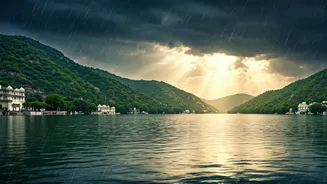
drops of the monsoon begin to fall, a profound transformation occurs. The city exhales. The air, once thick with dust and heat, becomes cool and fragrant with the scent of wet earth—petrichor mixed with blooming jasmine. The hard, bright edges of the landscape soften into a watercolor painting. The Aravalli Hills, which form a stark, brown backdrop for much of the year, suddenly erupt in a thousand shades of impossible green. This isn't the Udaipur of peak tourist season; this is the city’s private, contemplative mood, reserved for those who stay to listen to the rain.
Palaces Wrapped in Mist
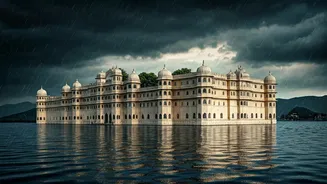
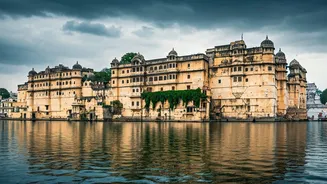
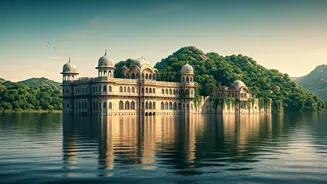
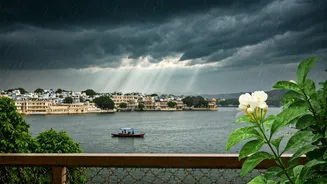
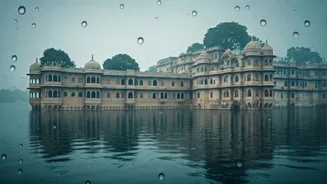
The experience of seeing Udaipur’s legendary architecture during the monsoon is entirely different. The grand City Palace, a sprawling complex of courtyards and balconies perched over Lake Pichola, loses its intimidating scale. Instead, its domes and turrets play hide-and-seek with low-hanging clouds. Rain streaks down the ancient marble, giving it a dark, dramatic sheen. Looking out from one of its ornate *jharokhas* (overhanging windows), you see the famous Lake Palace and Jag Mandir island not as sharp, distinct structures, but as ethereal silhouettes floating in a silver-grey expanse. The water, swollen and placid, reflects the moody sky, blurring the line between lake and heaven. The rhythmic drumming of rain on the palace roofs replaces the chatter of crowds, creating a hypnotic soundtrack for exploring centuries of history.
The Comfort of a Slower Pace
Monsoon travel in Udaipur is an invitation to slow down. The frantic need to tick off every sight on a list dissolves. The real joy is found in the moments between destinations. It's about finding a cushioned seat by a window in a lakeside café, nursing a cup of steaming masala chai, and simply watching the downpour. The local culture adapts to the season, embracing a cozier way of life. Street vendors appear with carts piled high with ingredients for hot *pakoras* (fritters) and roasted corn on the cob, comfort foods that taste infinitely better when it’s raining outside. Instead of rushing through crowded bazaars, you might find yourself in a quiet conversation with a shopkeeper, sharing a moment of shelter from a sudden cloudburst. It’s a more personal, unhurried way to connect with the city and its people.
Chasing the Clouds
For a truly majestic view, a drive up to Sajjan Garh, aptly known as the Monsoon Palace, is essential. This hilltop fortress was built specifically for Maharana Sajjan Singh to watch the monsoon clouds roll in across the valley. Standing there today, as mist swirls around your feet and the entire panorama of Udaipur’s lakes and palaces unfolds below, you understand his vision. The world feels hushed and vast. The rain isn’t an inconvenience to be avoided; it's the main event. It’s the force that recharges the lakes, revives the landscape, and gives the city its gentle, poetic heart. This is the magic of the season: it doesn’t just change the scenery; it changes your entire relationship with the place.