



It’s a High-Altitude Gauntlet
First things first: this isn't your average drive. The Manali-Leh Highway is a roughly 300-mile stretch of road that snakes through some of the planet's most formidable mountain terrain. With an average elevation of over 13,000 feet, your body is in for a shock.
The air is thin, the sun is intense, and altitude sickness is a very real, very serious risk. This isn't a trip you decide to do on a whim. It requires acclimatization—spending a day or two in the starting town of Manali (already at 6,700 feet) before you even think about pointing your vehicle uphill. The journey itself is a slow, deliberate ascent, giving your body a fighting chance to adapt to the oxygen-starved environment. It’s a physical challenge disguised as a road trip.
The Scenery Is Otherworldly
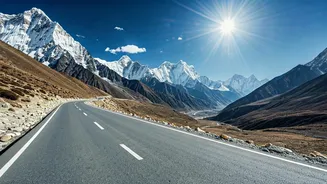
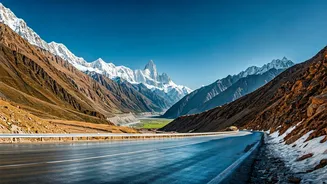
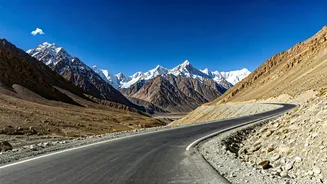
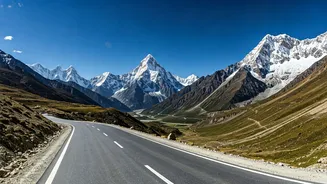
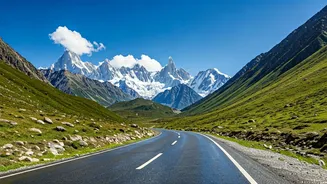
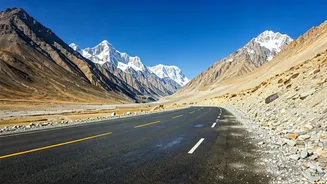
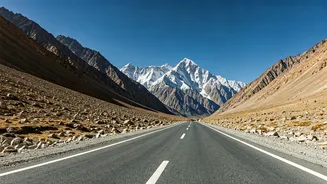
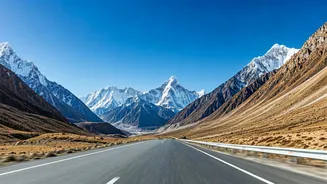
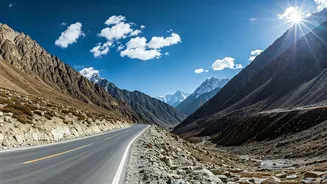
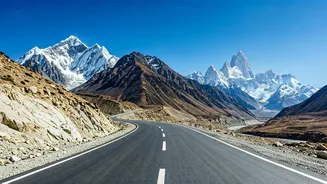
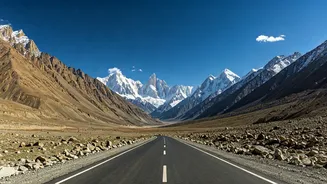
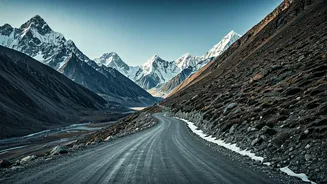
The reason people endure the altitude is simple: the views are absolutely, breathtakingly insane. The trip begins in the lush, pine-scented valleys of Himachal Pradesh, a world of green hills and roaring rivers. But as you climb higher, the landscape dramatically transforms. Past the Rohtang Pass, the greenery vanishes, replaced by a stark, high-altitude desert. You’ll drive through vast plains of sand and rock, surrounded by snow-capped peaks that pierce an impossibly blue sky. The colors are unreal: barren brown mountains streaked with purple and green mineral deposits, glacial rivers cutting turquoise ribbons through the landscape. It feels less like Earth and more like you’ve taken a wrong turn onto Mars. Every corner reveals a new panorama that makes you pull over just to stare in disbelief.
You Conquer Legendary Mountain Passes
This highway is defined by its passes, each one a monumental checkpoint in your journey. You’ll cross at least five major ones, including the famed Rohtang La (13,058 ft), the notoriously difficult Baralacha La (16,043 ft), and the dizzying Tanglang La (17,480 ft), one of the highest motorable passes in the world. Reaching the prayer flags fluttering at the top of each pass feels like a genuine achievement. These aren't just high points on a map; they are gateways to different valleys and landscapes, often marking shifts in weather and road conditions. Posing for a photo at the sign for Tanglang La isn’t just a tourist snapshot; it’s proof that you made it to a place few people will ever experience.
It’s a True Test of Endurance
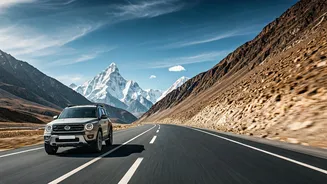
The Manali-Leh Highway is only open for a few months each year, typically from June to October, after military snowplows clear tons of accumulated snow. Even in summer, the conditions are unpredictable. One moment you're driving under a clear sky, the next you're navigating a sudden snow flurry or a bone-rattling river crossing created by glacial melt. The road is a mix of smooth pavement and long, unpaved stretches of gravel and dirt. You'll share the narrow path with army convoys, colorfully decorated trucks, and herds of wandering goats. The journey is almost always done over two days, with a mandatory overnight stop in a place like Keylong or Sarchu to break up the drive and help with acclimatization. This trip demands patience, a sturdy 4x4 vehicle, and a healthy dose of adventurous spirit.
You Experience a Profound Cultural Shift
The drive isn't just a geographical journey; it's a cultural one. You start in Manali, a bustling hub in a predominantly Hindu state. As you travel north and cross into the region of Ladakh, the atmosphere changes completely. The landscape becomes dotted with Buddhist monasteries (gompas) perched precariously on cliffs, strings of prayer flags, and white-washed stupas. The faces of the people change, and the vibe shifts to the serene, resilient culture of Tibetan Buddhism. You are entering a region often called "Little Tibet" for its deep cultural and religious ties. Arriving in Leh, the capital of Ladakh, feels like entering another country, a world of ancient traditions preserved by the isolating power of the Himalayas.