



Beyond the Dinner Buffet
For decades, the American understanding of Indian food was largely shaped by the all-you-can-eat lunch buffet and a handful of rich, creamy curries served for dinner. Dishes like chicken tikka masala, saag paneer, and mountains of naan became synonymous
with the cuisine. While delicious, this perception painted a picture of Indian food as heavy, indulgent, and almost exclusively an evening affair. But this narrow view overlooks a vast and varied culinary tradition, especially the one that happens first thing in the morning. In India, breakfast, or *nashta*, is a deeply regional and incredibly diverse meal. It's often savory, light, and designed to energize, not weigh you down. From fluffy steamed rice cakes in the south to flattened rice flakes in the west, these dishes are the backbone of daily life. Now, this vibrant breakfast culture is finally getting its moment in the American spotlight, but with a distinctly modern, social twist.
The Stars of the Morning
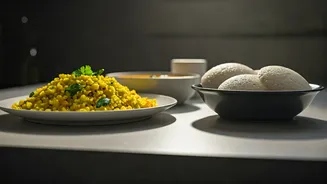
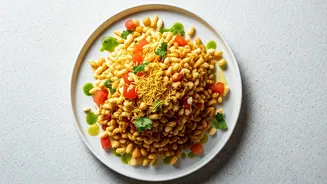
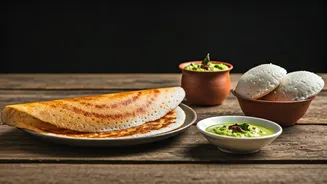
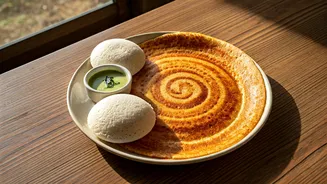
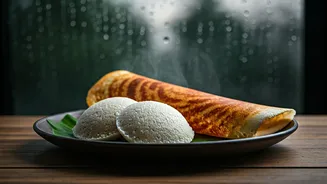
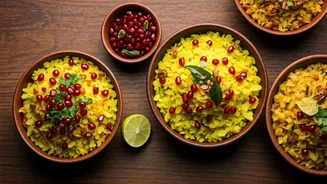
At the heart of this trend are dishes that are inherently light and often naturally gluten-free or vegan. Take *poha*, a staple from Western India. It’s made from flattened rice flakes that are quickly soaked and then sautéed with onions, potatoes, turmeric, and mustard seeds, finished with a squeeze of lime and fresh cilantro. It’s fluffy, savory, and satisfying without being heavy. Then there’s *upma*, a South Indian classic resembling a savory polenta or grits, made from dry-roasted semolina or cream of wheat cooked with vegetables and spices. And you can’t forget *idli*, the iconic steamed, fermented rice and lentil cakes that are impossibly airy and perfect for soaking up sambar (a lentil stew) and chutneys. These aren't dishes you'll typically find at a standard dinner-focused Indian restaurant; they are the unsung heroes of home cooking and morning street food stalls.
Made for the Modern Table
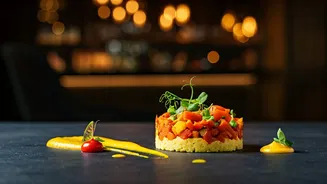
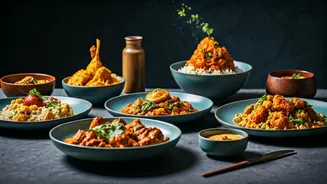
The key evolution isn't just the appearance of these dishes on U.S. menus, but *how* they are being served. The headline's promise of “shareable” is where the innovation truly shines. The traditional way of eating poha or upma is a single bowl for one person. But a new generation of chefs is deconstructing and reimagining these plates for a brunch-obsessed, Instagram-savvy American diner. You might see “idli fries,” where the steamed cakes are cut into strips, fried until crisp, and served with a spicy dipping sauce—perfect for a shared appetizer. Or consider mini *uttapams*, savory pancakes made from the same batter as idli and dosa, but topped with a colorful array of finely chopped vegetables and served as a shareable platter. Even the mighty dosa, a large crepe, is being presented in new ways, sometimes cut into manageable rolls or triangles, accompanied by a flight of different chutneys and fillings, encouraging diners to mix, match, and share. This approach transforms a traditionally individual meal into a communal, interactive experience.
The New Guard of Chefs
So why is this happening now? The trend is being driven by a confluence of cultural forces. A prominent factor is the rise of second-generation Indian-American chefs and restaurateurs who are confidently exploring the food of their heritage beyond the established canon. They are using their platforms to introduce Americans to the regional, home-style dishes they grew up with, while also applying modern culinary techniques and presentation styles. This movement dovetails perfectly with broader American wellness trends. As diners seek out more plant-based, gluten-conscious, and lighter options, Indian breakfast staples are a natural fit. Many of these dishes are vegetarian by default and built around whole grains, lentils, and fresh vegetables. By reframing them as shareable brunch items, chefs are making them accessible and appealing to a new audience that might not have otherwise sought them out. It’s a brilliant fusion of authentic flavors and contemporary dining habits.