

The Evolution of the Home Flex
Let’s be honest: we all want our homes to look good. For decades, the go-to way to signal taste and success—the so-called “flex”—was through big-ticket items. Think a sprawling sectional from a high-end showroom, a pedigreed dining table, or a kitchen
renovation that costs more than a new car. These were markers of achievement. But something has shifted. As our lives moved online and our homes became the backdrops for everything from Zoom calls to TikToks, the definition of a flex has become more nuanced. It’s less about pure expense and more about curatorial savvy, personality, and achieving a specific, enviable aesthetic. It’s not about having the most expensive thing, but the *coolest* thing.
Why Lighting Became the Star
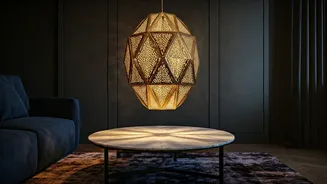
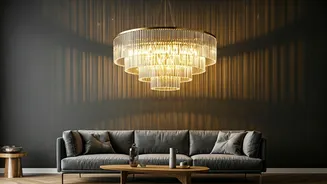
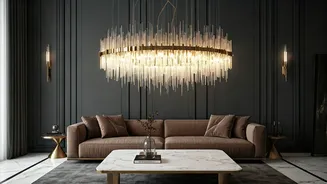
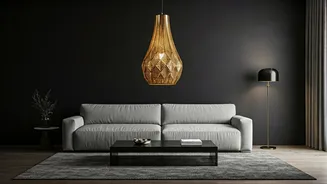
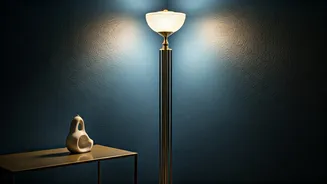
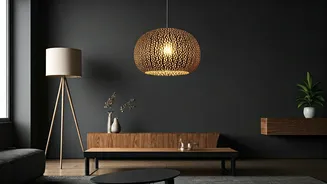
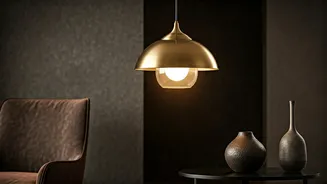
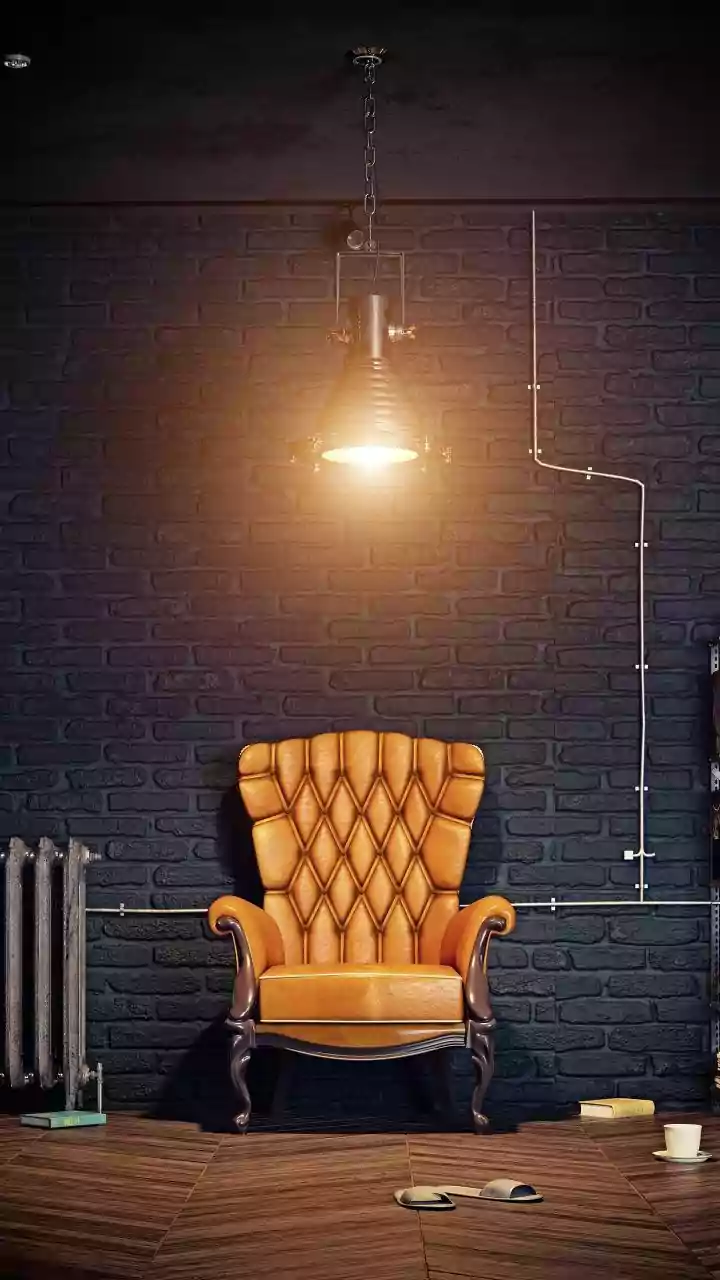
So, why lighting? Because no other single element has such a transformative power. A great light fixture is both sculpture and utility. It’s a focal point that draws the eye, defines a space, and literally sets the mood. You can have a room full of simple, affordable furniture from IKEA or Target, but hang a dramatic, sculptural pendant over the dining table, and suddenly the entire space feels intentional, elevated, and chic. Unlike a rug that gets covered by furniture or a piece of art that can feel intimidating to choose, a light fixture is a contained piece of design that makes an outsized impact. It’s the architectural jewelry of a room, and swapping it out is a relatively simple DIY project that can be done in an afternoon.
The ‘Affordable’ Design Revolution
The real game-changer is the “affordable” part of the equation. Ten years ago, a fixture with a unique, sculptural, or high-design look would have been confined to trade-only showrooms with four- or five-figure price tags. Today, that’s no longer the case. The rise of direct-to-consumer brands like Article and Schoolhouse, coupled with fast-fashion principles being applied to home goods by giants like Wayfair, West Elm, and CB2, has democratized good design. These companies can quickly replicate the *vibe* of a high-end piece, using more accessible materials and mass-production techniques to bring the cost way down. You can now get a dupe of a $5,000 Italian chandelier for $400, and for most people, it scratches the exact same aesthetic itch.
Finding Your Signature Glow
The beauty of this trend is its versatility. The “statement” can be anything that speaks to you. For some, it’s a massive, multi-arm “sputnik” chandelier that feels like a relic of the mid-century space race. For others, it’s a minimalist, organic-shaped pendant made of rattan or woven paper that adds texture and warmth. We’re seeing a surge in oversized, arched floor lamps that command a corner like a piece of modern art, and playful, colorful table lamps that inject personality onto a boring bookshelf. The key isn't following a specific trend, but finding a piece that feels like a reflection of your own style. It’s about choosing something that makes you happy every time you flip the switch.
It’s About More Than Just Light
Ultimately, the statement lighting trend is about control. In a world that feels chaotic, curating our personal environment is a powerful act. It’s a way to build a sanctuary that not only functions well but also brings us joy and reflects who we are. A great light fixture makes your food look better, your skin glow, and your living room feel like a welcoming haven. And when a friend walks in and says, “Wow, where did you get that light?”—that’s the flex. It’s not about the price tag; it’s about the compliment, the validation of your excellent taste, and the quiet satisfaction of knowing you created a beautiful moment in your own home.