






The Video That Broke the Internet
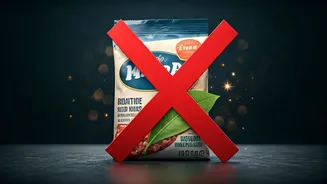
It started, as many modern revolutions do, with a social media post. In April 2023, an Indian health influencer named Revant Himatsingka, who goes by “Food Pharmer,” posted a video dissecting the ingredients of Bournvita, a beloved malted chocolate drink
mix owned by Cadbury. Marketed for decades as a nutritional supplement that makes milk “tastier and healthier” for children, it’s a staple in millions of Indian households. Himatsingka’s video, however, told a different story. He pointed out that the product was nearly 50% sugar, and he colorfully critiqued its claims of improving brain development and immunity. The video exploded, garnering over 12 million views and igniting a firestorm. Cadbury sent Himatsingka a legal notice, forcing him to take the video down, but it was too late. The damage was done. The public backlash was so immense that India’s national child rights commission demanded the company withdraw all “misleading” ads. This single video became the tipping point in a long-simmering national debate.
The 'Health Food' Illusion
To understand why this hit such a nerve, you have to understand the modern Indian pantry. As India’s middle class has grown, so has the market for processed and packaged foods. Global food giants have poured into the country, tailoring their marketing to appeal to aspirational, health-conscious parents who want the best for their children but are also increasingly time-poor. The result is a supermarket aisle filled with products draped in a “health halo.” Biscuits are fortified with vitamins, juices claim to provide a full day’s worth of fruit, and grain-based snacks are promoted as brain food. Like in the U.S., terms like “fortified,” “wholesome,” and “natural” became powerful marketing tools, often masking high levels of sugar, sodium, and refined carbohydrates. Bournvita wasn't an outlier; it was the poster child for a nationwide trend that consumers were just beginning to question.
The Watchdog Finally Barks
The public outcry gave India’s food regulator, the Food Safety and Standards Authority of India (FSSAI), the political cover it needed to act decisively. While regulations existed, enforcement was often seen as lax. The Bournvita scandal changed the calculus. The FSSAI ordered e-commerce sites to de-list Bournvita and similar products from their “health drinks” category. It was a direct shot across the bow of the entire industry. More importantly, the FSSAI has been pushing forward with stricter labeling rules that were long in the works. These include mandatory front-of-pack nutrition labels—similar to the warning signs on cigarettes—that would clearly indicate if a product is high in sugar, salt, or fat. The agency also announced a crackdown on the term “health drink” itself, along with other unsubstantiated claims on packaging and in advertisements. This regulatory pincer movement signals the beginning of the end for the Wild West of Indian food marketing, where bold health claims could be made with little pushback.
A Global Wake-Up Call
While the story is set in India, the themes are universal. The fight over what constitutes a “healthy” food, the power of influencers to hold corporations accountable, and the struggle of regulators to keep up with marketing spin are playing out worldwide. Americans have watched similar battles unfold over everything from “all-natural” sodas to the sugar content in breakfast cereals. What makes the Indian case so potent is the speed and scale of the shift. A single influencer’s video didn't just create a conversation; it prompted immediate regulatory action and forced a multi-billion-dollar industry to change its ways. It serves as a powerful case study in consumer-driven change, proving that in the digital age, transparency is no longer optional. For American consumers and brands, it’s a reminder that the line between a trusted household name and a public relations crisis can be as thin as a single, well-researched Instagram Reel.