


The Wall of Summer Heat
To understand Delhi in June and July, you have to understand its heat. It’s not just a number on a thermometer; it’s a physical presence. The sun beats down with an intensity that seems to bleach the color out of the sky, and the air is so thick with humidity
it feels like you could swim through it. Locals move with a practiced slowness, conserving energy, seeking shade under broad-leafed trees and awnings. Life shifts to the cooler hours of the early morning and late evening. This oppressive, sweltering season sets the stage for one of India’s most beloved rituals: the arrival of the mango, the undisputed king of fruits, and the official flavor of summer.
A Golden, Cultural Obsession
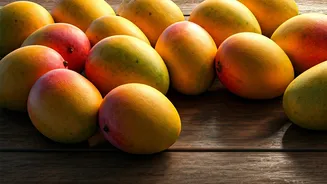
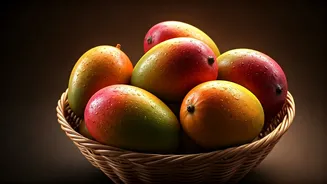
In the United States, we have seasonal favorites like pumpkin spice in the fall or watermelon in the summer. In India, the mango holds a cultural weight that is far more profound. It's a symbol of prosperity, love, and the sweet reward at the end of a long, hot wait. The season is short and glorious, and the entire nation seems to participate in a collective celebration. Newsstands debate the merits of the Alphonso from Maharashtra versus the Langra from Uttar Pradesh. Families gather to slice and devour them by the dozen. The mango isn't just a fruit; it's an event, a shared joy that cuts across all lines of region and class.
Welcome to the Mango Metropolis
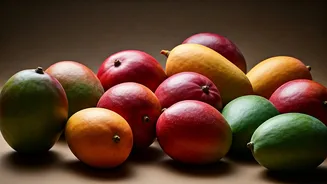
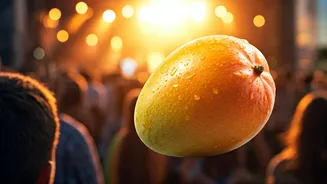
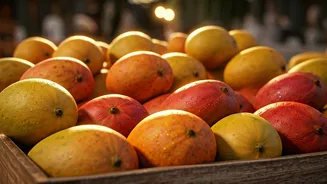
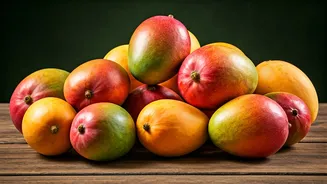
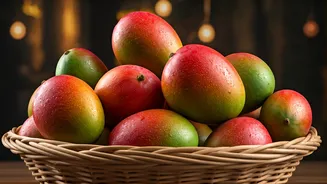
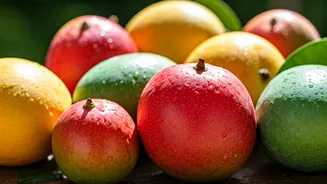
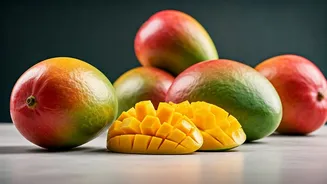
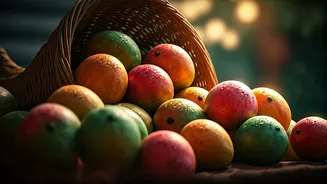
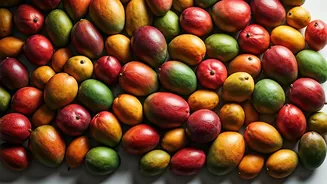
This obsession finds its ultimate expression at the Delhi International Mango Festival. Typically held in July at a venue like Dilli Haat, an open-air craft and food bazaar, the festival is a sensory overload in the best possible way. Imagine walking into a sprawling market where the very air is perfumed with the intoxicating scent of ripe mangoes. Tables are piled high with hundreds of varieties, a staggering display of colors, shapes, and sizes. You’ll see everything from the small, intensely sweet Chausa to the elegantly long Dasheri and the famously fragrant Alphonso. Farmers and growers from across the country gather to showcase their prized produce, vying for titles in competitive categories. It’s a riot of color, sound, and, most importantly, flavor.
More Than Just a Tasting
While tasting is the main event, the festival is a full-blown cultural fair. Visitors can watch mango-eating competitions, where participants race to devour as many mangoes as possible in a few minutes, their faces covered in golden pulp and juice. There are quizzes on mango trivia, demonstrations of intricate mango carving, and stalls selling every conceivable mango-based product: jams, chutneys, pickles, dried mango leather (aam papad), and even mango-themed soaps. All this is set to a backdrop of folk music and dance performances, creating a vibrant, joyful atmosphere that feels like a city-wide block party dedicated to a single fruit.
The Ultimate Cooling Reward
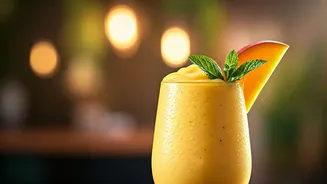
And then there’s the shake. After wandering through the hot, crowded festival grounds, nothing provides more immediate and profound relief than a tall, cold glass of mango shake. It’s not the thin, milky beverage you might find elsewhere. An authentic Indian mango shake is a thick, luxurious concoction, blending ripe mango pulp with cold milk, a touch of sugar, and often a scoop of ice cream or a sprinkle of cardamom and pistachios. It’s so dense you almost need a spoon. The first sip is a shock of cold, sweet, floral flavor that seems to cool you from the inside out. It’s the perfect culmination of the day—the liquid essence of the festival, and the most delicious way imaginable to beat the Delhi heat.