





Why All the Fuss About Gut Health?
Before we dive into the delicious stuff, let's talk about the gut. Your digestive system is home to trillions of microorganisms—bacteria, fungi, and viruses—collectively known as the gut microbiome. Think of it as a bustling city inside you. For decades,
we thought of bacteria as purely bad news, but scientists now understand that a diverse and balanced microbiome is crucial for everything from digestion and immunity to mood regulation. Probiotics, which are live beneficial bacteria found in fermented foods, are like reinforcements sent to support this internal ecosystem. Instead of a sterile pill, many are now realizing these reinforcements can come from foods with deep cultural roots and complex, exciting flavors.
Dahi: India’s Probiotic Treasure
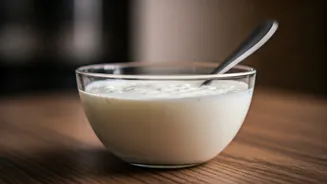
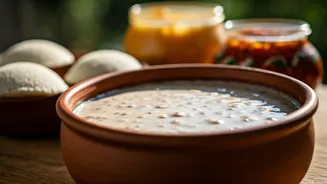
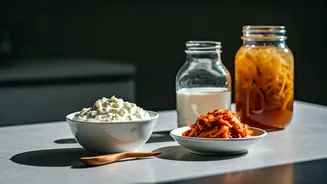
If you think dahi is just another word for yogurt, you're missing a subtle but important distinction. Dahi is a traditional fermented milk product from the Indian subcontinent, and it's a cornerstone of daily life. Made by culturing milk with a starter (often a spoonful from the previous batch), its taste can range from mildly sweet to pleasantly tart. Unlike many commercial yogurts in the U.S. that are thickened with pectin or gelatin and sweetened, traditional dahi is simpler, prized for its creamy texture and live active cultures. It's eaten plain, used in marinades to tenderize meat (as in chicken tikka), blended into the refreshing drink lassi, or turned into raita, a cooling condiment served with spicy dishes. It’s a perfect example of how a probiotic-rich food can be a versatile culinary workhorse, not just a health supplement.
Kimchi: The Soul of Korean Cuisine
Walk into any Korean household, and you’re likely to find a container—or a dedicated refrigerator—for kimchi. This fiery, pungent, and complex staple is far more than a simple side dish. Typically made from fermented napa cabbage, Korean radishes, and a spicy paste of gochugaru (chili powder), garlic, ginger, and jeotgal (salted seafood), kimchi is a flavor bomb. The fermentation process not only preserves the vegetables but also creates a symphony of lactic acid bacteria, like Lactobacillus. It’s so integral to Korean culture that it’s eaten with nearly every meal. For Americans, it has become a gateway to funkier, more intense flavors. You’ll now find it topping hot dogs, folded into grilled cheese sandwiches, and mixed into fried rice, adding a spicy, umami-rich crunch and a dose of beneficial bacteria.
Kombucha: The Fermented Tea Taking Over
You can’t talk about the global gut health trend in the U.S. without mentioning kombucha. This fizzy, fermented tea has exploded from a niche DIY health tonic to a multi-billion dollar industry dominating refrigerated aisles. Brewed using a symbiotic culture of bacteria and yeast (affectionately called a SCOBY), kombucha turns sweetened tea into a tangy, slightly effervescent beverage. Its appeal is twofold: it offers a low-sugar alternative to soda while delivering probiotics and organic acids. Brands now offer a dizzying array of flavors, from ginger-turmeric to lavender-lemonade. While some of the more miraculous health claims remain debated, its role as a popular, accessible entry point into the world of fermented foods is undeniable. Just be mindful of the sugar content, which can vary widely between brands.
The Global Fermentation Journey
Dahi, kimchi, and kombucha are just the beginning. The world is full of traditional fermented foods now finding an audience in the U.S. There’s kefir, a tangy, drinkable yogurt from the Caucasus Mountains; miso, the savory Japanese soybean paste that gives soup its umami depth; and sauerkraut, Germany’s humble but effective fermented cabbage. What this trend signals is a shift toward a more holistic and enjoyable vision of health. It’s a recognition that ancient food traditions often hold wisdom that modern science is just beginning to unpack. It’s less about restriction and more about addition—adding flavor, culture, and microbial diversity to our plates.