






Understanding 'Monsoon Stomach'
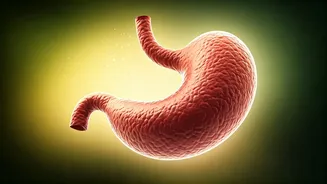
There’s no official medical diagnosis called “monsoon stomach,” but any seasoned traveler to South or Southeast Asia knows exactly what it means. It’s a colloquialism for traveler’s diarrhea (TD), an unpleasant intestinal infection that seems to spike
when the rains come. The reason is simple: heavy, persistent rainfall can overwhelm local sanitation systems. Sewer lines can overflow, and contaminants can wash into reservoirs, wells, and even municipal water supplies. This surge of pathogens—like E. coli, Giardia, and norovirus—turns tap water into a gamble you don’t want to take. Symptoms can range from mild discomfort to a full-blown, trip-ruining illness with cramping, fever, and vomiting. It’s the number one health issue for travelers, and during monsoon season, the risk factor gets turned up to eleven.
Bottled Water: Your First and Best Defense
The most straightforward rule for safe hydration is to stick to factory-sealed bottled water. It seems simple, but there are nuances. When buying a bottle, always check that the plastic seal on the cap is intact. A common scam in some tourist areas involves refilling old bottles with tap water and gluing the caps back on. Squeezing the bottle to check for firmness and listening for the crisp crack of a new seal can be a good habit. When in doubt, opt for carbonated water. The fizz makes it much more difficult to counterfeit and is a reliable sign that the bottle is factory-sealed. Also, stick to recognizable international or national brands you see in reputable convenience stores and hotels, rather than mystery brands sold by a street vendor.
Beyond the Bottle: Purifying Your Own Water
If you’re an adventurous or eco-conscious traveler looking to reduce plastic waste, carrying your own purification system is an excellent strategy. You have three reliable options.
1. **Boiling:** This is the gold standard. Bringing water to a rolling boil for one full minute (three minutes at altitudes above 6,500 feet) kills virtually all harmful microorganisms. It’s not always convenient, but it’s foolproof.
2. **Filtration:** A good travel water filter, like those from Sawyer or Lifestraw, can physically remove bacteria and protozoa. Make sure your filter is rated for this purpose; not all are. Note that most portable filters do not remove viruses, which can be small enough to pass through.
3. **Purification:** Chemical purifiers (iodine or chlorine dioxide tablets) or UV light purifiers (like a SteriPen) kill bacteria, protozoa, *and* viruses. UV light is fast and leaves no aftertaste, while tablets are lightweight and great for a backup. Combining a filter with a chemical or UV purifier offers the most comprehensive protection.
Watch Out for These Hidden Water Traps
Getting sick isn't always about the glass of water you drank. Contaminated water can sneak into your system in many other ways. Be vigilant about these common culprits:
* **Ice:** The frozen water in your cocktail or soda was almost certainly made from local tap water. A simple rule: if you can’t drink the water, don’t have the ice. Always ask for your drinks with “no ice.”
* **Brushing Your Teeth:** It's an automatic habit, but rinsing your mouth with tap water is a classic mistake. Use bottled or purified water to brush your teeth and rinse your brush.
* **Showering:** While generally safe, try to avoid getting water in your mouth or swallowing it while you shower.
* **Fresh Produce:** That beautiful, crisp salad or plate of fresh-cut fruit? It was likely washed in tap water. Stick to fruits you can peel yourself (like bananas and oranges) and avoid raw vegetables. Opt for fully cooked dishes instead.
* **Street Food and Drinks:** Be wary of juices, smoothies, or iced coffees from street stalls unless you can see them using bottled water and clean equipment.