
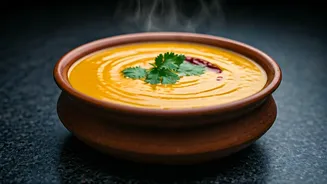

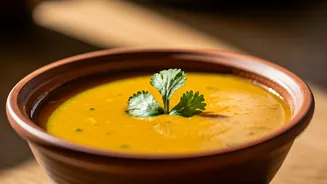
First Off, What Is Rasam?
Before we get to the mango, let’s talk about rasam. If you’ve only explored Indian cuisine through tikka masala and naan, you’re in for a treat. Rasam is a foundational dish in South Indian households, particularly in states like Tamil Nadu, Andhra Pradesh,
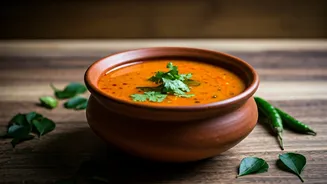
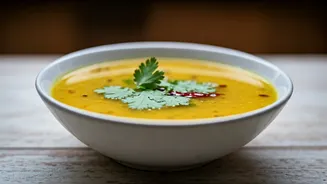
and Kerala. It’s a thin, soupy broth that’s a riot of flavor. The base is typically tamarind juice, which provides a distinctive sourness, cooked with tomatoes, black pepper, cumin, and other spices. It’s not quite a soup you’d eat on its own with a spoon, but it’s not a thick curry, either. Rasam is a versatile player: it can be sipped as a light appetizer to awaken the palate, served as a digestive aid after a heavy meal, or, most commonly, poured over hot rice and mixed by hand. It’s the ultimate comfort food—warm, peppery, and deeply satisfying.
Enter the Mango: A Game-Changing Twist
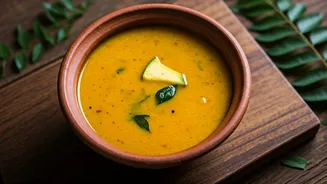
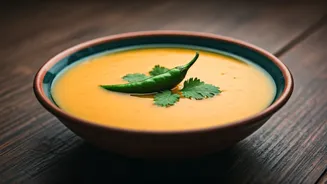
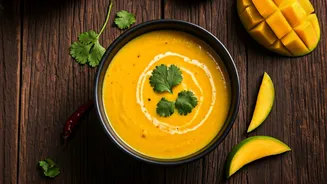
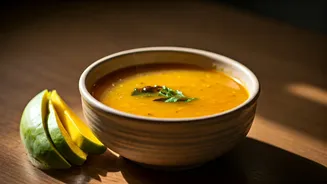
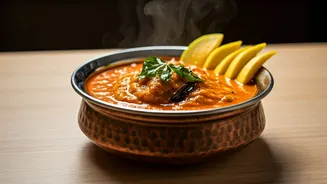
Now, imagine taking that classic sour and spicy rasam base and introducing mango. This is where the magic happens. The specific flavor profile depends entirely on the type of mango used. When made with raw, green mangoes (known as *Mamidikaya* in Telugu), the rasam takes on an intensely tart, clean sourness that’s incredibly refreshing. It’s a sharp, electric tang that cuts through richness and is perfect for a hot day. When made with ripe, sweet mangoes (called *Mambazham* in Tamil and Malayalam), the dish transforms into something else entirely. The sweetness of the fruit mellows the tamarind’s bite, creating a beautiful sweet-sour-spicy symphony that dances on the tongue. This version is less of a sharp punch and more of a warm, complex hug, with the fruity aroma of the mango infusing the entire broth. Both versions are spectacular, offering different expressions of the same core idea.
Why This Flavor Is Hitting the Spot Now
The idea of a “new tangy food mood” isn’t just hype. American food culture is undergoing a significant shift. We’ve moved past one-note flavors. Palates are becoming more adventurous, actively seeking out the complex flavor combinations found in global cuisines. We’ve embraced the funky depth of fermentation, the layered heat of different chiles, and the addictive interplay of sweet, sour, and savory. Mango rasam fits perfectly into this culinary moment. It delivers the same kind of satisfying complexity we love in Thai tom yum soup, Vietnamese dipping sauces, or modern Mexican aguachiles. Furthermore, as diners and home cooks explore regional Indian food beyond the standard takeout menu, dishes like rasam are finally getting their time in the spotlight. They represent a more authentic, nuanced, and exciting vision of what Indian food can be.
More Than a Soup, It’s an Experience
To call mango rasam just a soup is to miss the point. It’s an integral part of a meal’s rhythm. In a traditional South Indian thali or meal spread, the rasam often follows a heavier, richer course. Its light, acidic nature cleanses the palate, resets your taste buds, and aids digestion, preparing you for what’s next. The most common and beloved way to eat it is ladled over a mound of steamed rice, sometimes with a dollop of ghee. You mix it all together, perhaps with a side of a dry vegetable stir-fry (*poriyal*) or a crispy papadum for texture. The act of eating rasam rice is comforting and elemental. It’s a dish that feels both nourishing and exciting, a staple in millions of homes for a reason. It’s not just food; it’s a restorative ritual.