



A Fleeting Himalayan Paradise
The Valley of Flowers is not just a destination; it’s an event. Located in the Chamoli district of Uttarakhand, India, this vibrant, high-altitude valley is a designated UNESCO World Heritage Site. For most of the year, it lies dormant, buried under a thick
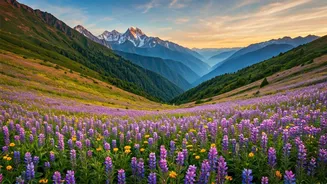
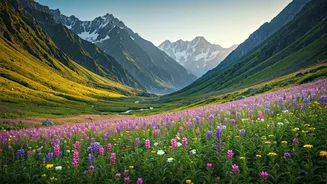
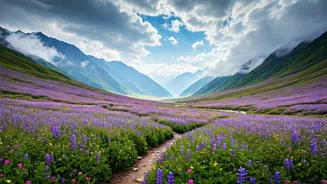
blanket of snow. But as the summer monsoon rolls in around June, the snow melts and triggers a botanical explosion. The valley floor transforms into a living carpet of endemic alpine flowers, creating a spectacle of color so intense it feels otherworldly. This fleeting window, typically lasting from July to early September, is what fuels the trek’s legendary status. It’s a natural wonder with a deadline, a place you have to meet on its own terms, making the journey feel all the more urgent and special.
An Explosion of Living Color
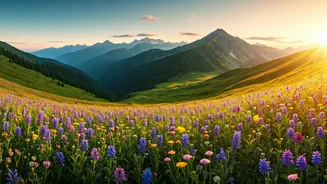
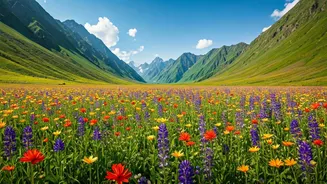
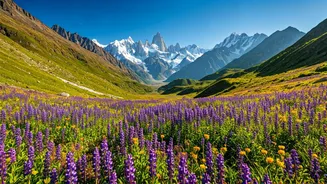
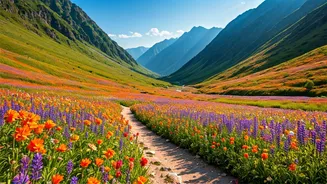
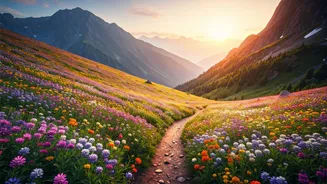
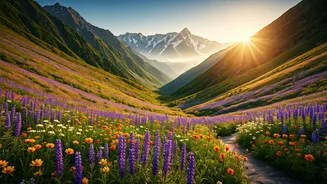
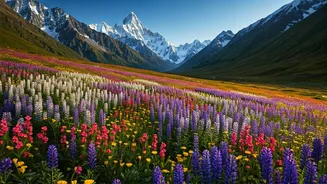
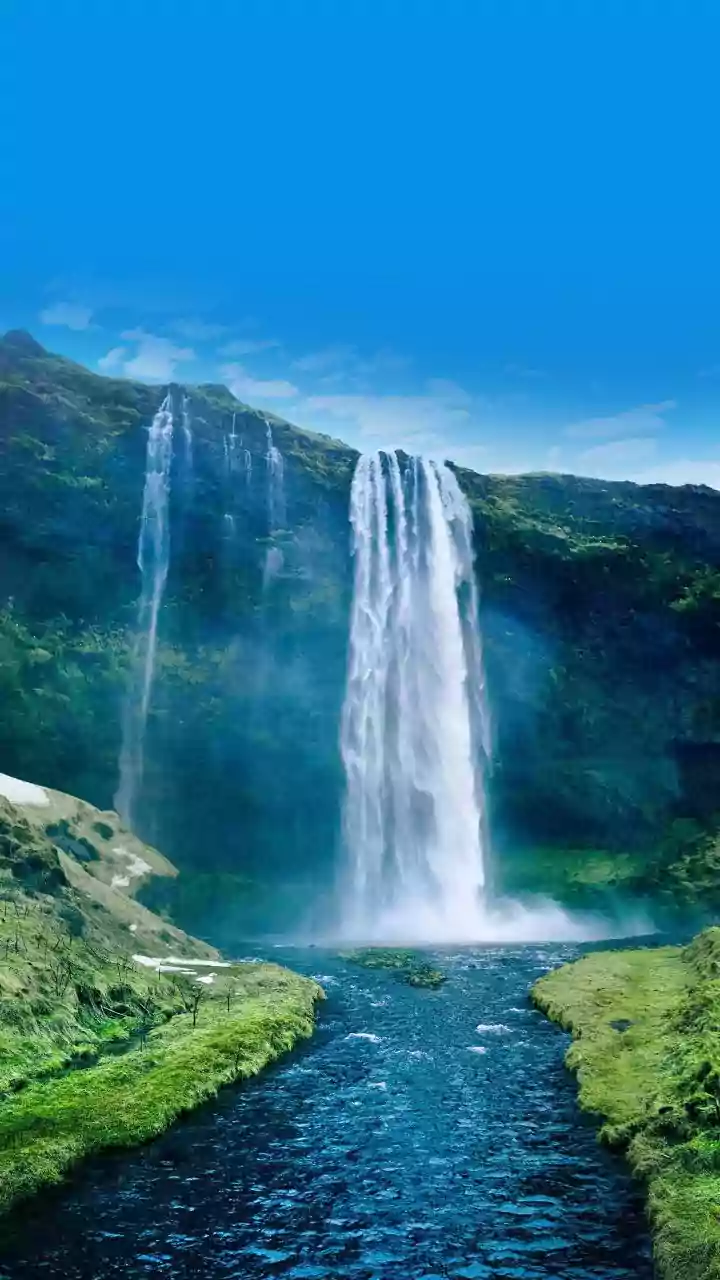
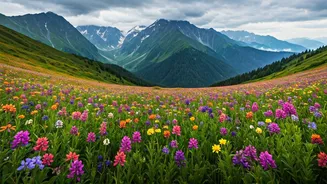
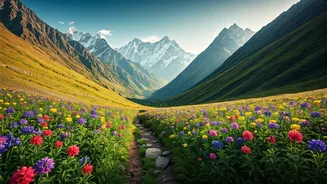
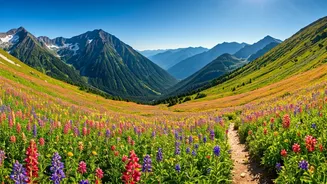
Imagine walking through meadows painted with every color you can conjure. The valley is home to over 500 species of wildflowers, many of which are found nowhere else on Earth. Trekkers are greeted by swaths of purple geraniums, yellow marsh marigolds, and scarlet potentillas. The real prizes, however, are the rarer blooms. The ethereal, saucer-shaped Brahma Kamal—the state flower of Uttarakhand—grows here, as does the elusive blue poppy, a flower so vivid it seems to defy nature. Against the dramatic backdrop of jagged, snow-dusted peaks and cascading waterfalls, the sheer density of life is staggering. It’s this visual feast, a stark contrast to the rugged Himalayan terrain surrounding it, that forms the core of the valley’s magnetic appeal. You aren’t just hiking; you’re walking through a masterpiece.
The Journey Is the Destination
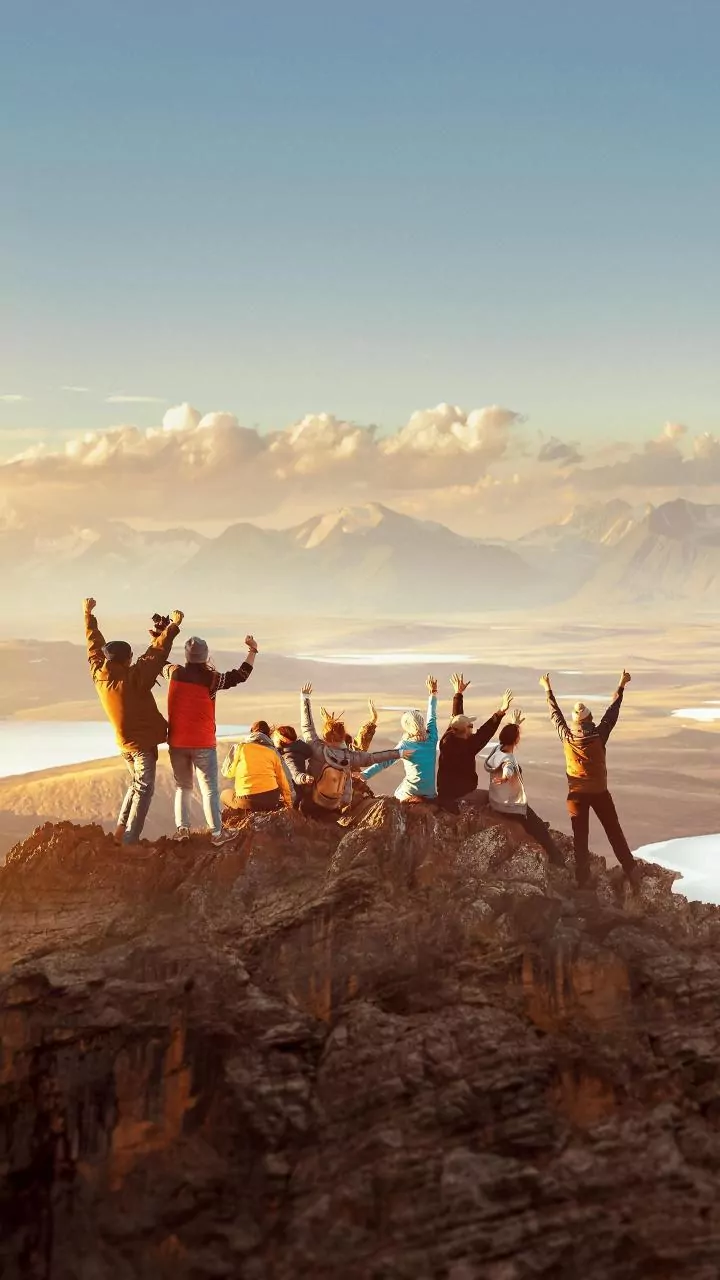
Getting to the Valley of Flowers is an adventure in itself, adding a layer of earned satisfaction to the experience. For most international travelers, the journey begins in the yoga capital of Rishikesh, followed by a long, winding drive into the mountains to the village of Govindghat. From there, the real trek begins. The trail is a challenging but manageable multi-day hike, ascending alongside the rushing Pushpawati River. The main base for trekkers is the small, bustling village of Ghangaria. Reaching this outpost, nestled at about 10,000 feet, is a significant accomplishment. The final leg of the journey is the three-mile ascent from Ghangaria into the valley itself. This physical undertaking ensures that the valley is never overcrowded, preserving its serene and pristine atmosphere for those who make the effort.
More Than Just Flowers
While the flora is the main event, the region’s profound spiritual significance elevates the journey from a simple trek to a pilgrimage. According to Hindu mythology, the valley is the place from which the deity Hanuman collected the mythical Sanjeevani herb to save Lakshmana. This deep cultural root infuses the landscape with a sense of sacredness. Furthermore, the base camp at Ghangaria also serves as the jumping-off point for another important pilgrimage to Hemkund Sahib, a stunning high-altitude glacial lake and one of the holiest sites for Sikhs. Many visitors combine both treks, creating a powerful experience that blends physical endurance, natural wonder, and spiritual reverence. This confluence of nature and faith makes the trip resonate on a much deeper level than a typical mountain hike.
Planning Your Himalayan Quest
If the Valley of Flowers is on your bucket list, timing and preparation are everything. The trek is only open for a short period, with mid-July to mid-August considered the absolute peak for floral blooms. You will need a permit, which can be obtained at the entrance to the park. Acclimatization is key; spending a day in Ghangaria before heading into the valley is highly recommended to adjust to the altitude. The weather is predictably unpredictable. Monsoon rains are a given, so high-quality waterproof gear—from your jacket down to your boots—is non-negotiable. Booking with a reputable local guide or tour operator is the easiest way to handle logistics like transport, permits, and accommodation, allowing you to focus on the breathtaking journey ahead.