









From Pet to Fur-Baby
The single biggest driver behind the premium pet food boom is the ‘humanization’ of our pets. For millions, dogs are no longer just animals we care for; they’re cherished family members. This emotional shift has completely changed spending habits. If
you’re scrutinizing food labels for your own health, it feels natural to extend that same level of care to your four-legged companion. We want our dogs to have the same quality of life we seek for ourselves, and for many, that starts in the food bowl. This mindset has opened the door for a market that mirrors human food trends, from clean eating and whole foods to specialized diets for specific wellness goals.
The Rise of Fresh Food
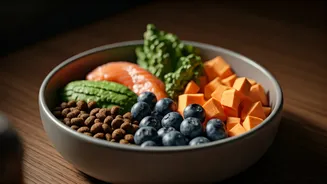
Perhaps the most visible sign of this upgrade is the explosion of fresh dog food. Delivered to your door in pre-portioned packs, these meals look more like something you’d make yourself than traditional kibble. They are gently cooked to preserve nutrients and typically made from ‘human-grade’ ingredients—a term meaning the ingredients are legally suitable for human consumption. Companies in this space often use a subscription model, personalizing meal plans based on a dog’s age, weight, breed, and activity level. The appeal is obvious: it feels like providing a home-cooked meal without the actual work. Proponents claim benefits like shinier coats, better digestion, and increased energy, though the higher price point is a significant consideration for many households.
The Grain-Free Controversy
For years, ‘grain-free’ was the gold standard of premium dog food. The logic was that dogs are ancestral carnivores who don’t need fillers like corn, wheat, and soy. This resonated with owners, especially those whose dogs suffered from allergies. However, the narrative grew complicated. In 2018, the FDA announced it was investigating a potential link between certain diets—many of which were labeled ‘grain-free’ and used high levels of peas, lentils, and other legume seeds—and a serious heart condition called canine dilated cardiomyopathy (DCM). While no direct causal link has been proven and the investigation is complex, the concern was enough to make many veterinarians and pet owners reconsider. The conversation has now shifted from demonizing all grains to recognizing that for most dogs, grains can be a healthy part of a balanced diet.
Specialty and Limited-Ingredient Diets
Beyond fresh and grain-free, another major upgrade path is toward hyper-specialized formulas. Limited-ingredient diets (LIDs) are designed for dogs with food sensitivities or allergies. By using a single protein source (like duck or salmon) and a single carbohydrate, these diets make it easier to pinpoint and eliminate ingredients that cause digestive upset or skin irritation. Similarly, there are foods formulated for every life stage, from puppy to senior, and for specific breeds, sizes, and health concerns like joint support, weight management, or kidney health. This level of customization allows owners to feel they are proactively managing their dog’s health through nutrition, moving far beyond a one-size-fits-all approach.
So, Is the Upgrade Worth It?
With premium foods costing two to three times more than generic brands, the question of value is critical. There’s no single right answer. For a dog with proven allergies, a limited-ingredient diet isn’t a luxury; it’s a necessity. For a healthy young dog, a high-quality traditional kibble from a reputable brand that conducts extensive feeding trials may be perfectly sufficient. The most important factor isn’t the price tag or the marketing claims on the bag, but whether the food is complete, balanced, and appropriate for your specific dog. Before making a major dietary switch, especially to a less conventional option like a raw or fresh food diet, a conversation with your veterinarian is the most valuable upgrade you can make.