



Answering Africa's Call
For a certain type of traveler, the words 'African safari' conjure images of canvas tents, sunset cocktails, and guided game drives. But a new frontier is beckoning—one that puts you in the driver's seat. Forget the curated itinerary. This is about navigating
one of the planet's most ambitious conservation projects by the seat of your pants. Welcome to the Kavango-Zambezi Transfrontier Conservation Area, or KAZA. Spanning five countries—Angola, Botswana, Namibia, Zambia, and Zimbabwe—this colossal wilderness is roughly the size of France. It’s a tapestry of rivers, salt pans, and savannah stitched together not by fences, but by a shared vision for conservation. And running through it all are the roads, the dusty arteries connecting a wild heartland.
The Road Itself Is the Destination
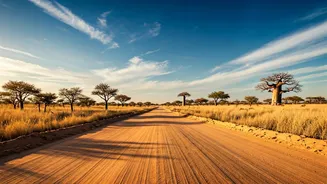
The magic of a Kaza road trip isn't just about spotting the Big Five; it’s about the journey itself. The experience redefines the overlanding adventure. One day you might be cruising on smooth tar snaking through Namibia’s Caprivi Strip, and the next you’re carefully picking your way through the deep sand tracks of a Botswanan national park. This is where a reliable 4x4 isn’t a luxury, it’s your lifeline. Mastering the challenges of the road—planning fuel stops, carrying enough water, and knowing when to deflate your tires for sand—is part of the immense satisfaction. The reward is unparalleled independence. You stop when you want, linger at a waterhole teeming with life, and camp under a star-drenched sky so clear it feels like you can touch the Milky Way. It's a return to the roots of exploration, where self-reliance is the price of admission to a truly wild world.
A Realm of Giants
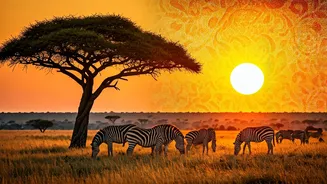
The sheer scale of KAZA supports a staggering amount of wildlife. The area is a critical stronghold for Africa’s elephants, hosting nearly half of the continent's entire population. The TFCA was designed specifically to protect their ancient migratory routes, allowing these giants to roam freely across national borders just as they have for millennia. Driving these roads means you are a guest in their world. An elephant herd crossing the road isn’t an inconvenience; it’s the main event. Beyond the elephants, this ecosystem pulses with predators like lions, leopards, and endangered African wild dogs, along with vast herds of buffalo, zebra, and countless antelope species. The transfrontier model means you’re not just visiting a park; you’re traversing a living, breathing landscape where ecological processes unfold on a continental scale.
Connecting the Crown Jewels
For many travelers, KAZA helps connect the dots between Southern Africa’s most iconic landmarks. The thunderous cascade of Victoria Falls (“Mosi-oa-Tunya,” The Smoke That Thunders) sits at the heart of the region. To the southwest lies the watery paradise of the Okavango Delta and the wildlife-rich Chobe National Park in Botswana. To the north, you can explore the remote wilderness of Zambia’s Kafue National Park. The roads of Kaza are the threads that tie these jewels together. Instead of flying between them, an overlanding journey allows you to understand the landscape in a profound way, watching the terrain shift from the arid Kalahari sands to the lush floodplains of the Zambezi River. It transforms a series of destinations into a single, epic narrative of exploration.