




Thinking in Three Dimensions
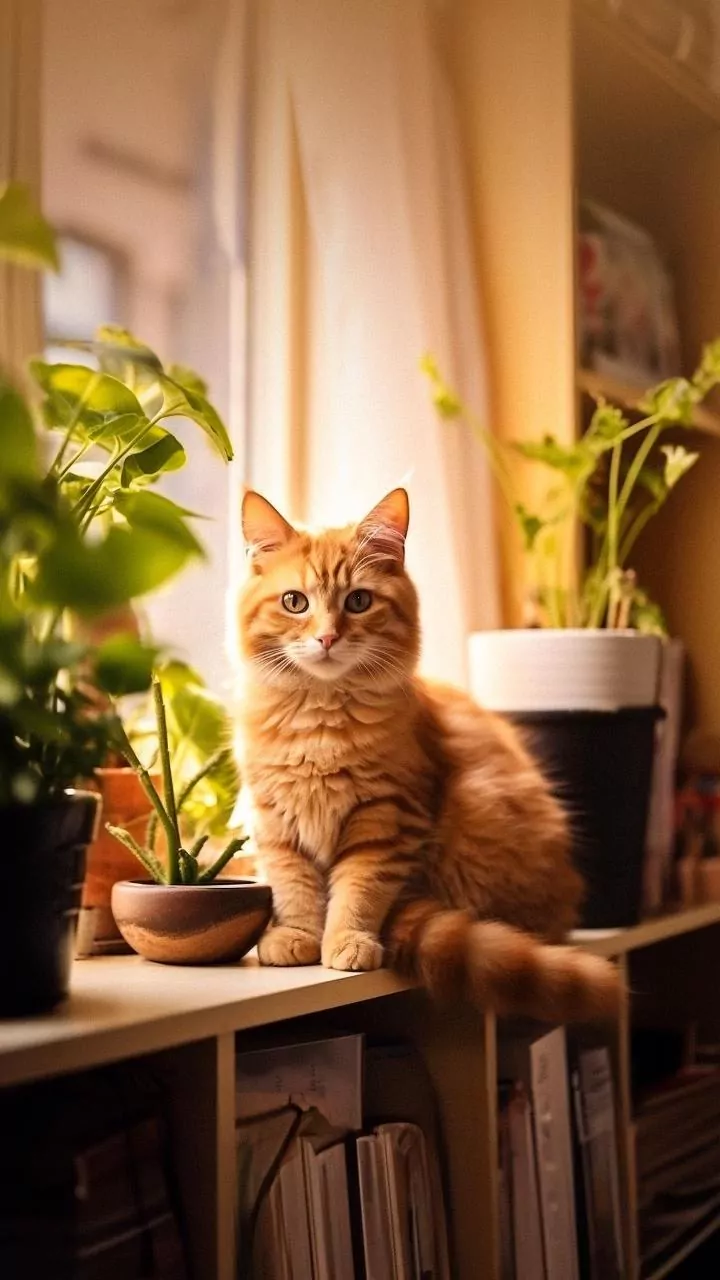
Indoor cats, no matter how pampered, retain the instincts of their wild ancestors. They are natural climbers, hunters, and surveyors. In the wild, high perches provide safety from predators and a vantage point from which to spot prey. Denying them this
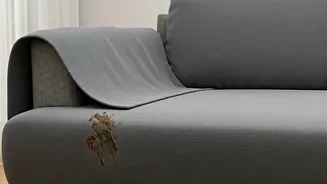
vertical world can lead to boredom, stress, and behavioral issues like scratching furniture or anxiety. A multi-level climbing path isn’t just a quirky decoration; it’s an essential piece of feline architecture. It expands your cat’s territory without taking up precious floor space, turning the walls and unused vertical areas of your apartment into a dynamic, enriching environment. By creating these “cat highways,” you’re providing outlets for exercise, mental stimulation, and the comfort of having a secure, elevated space to call their own.
The Building Blocks of a Cat Highway
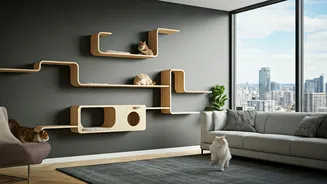
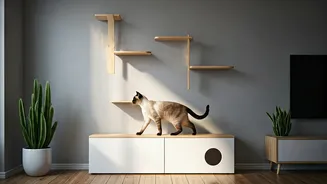
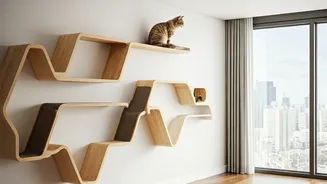
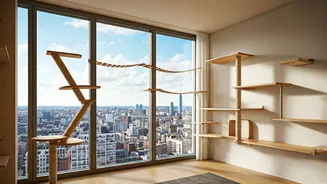
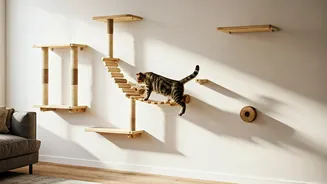
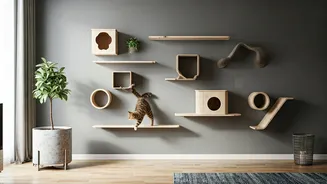
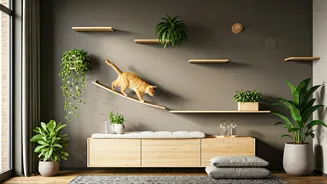
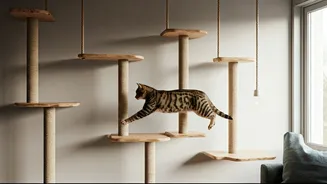
A successful cat climbing path is more than a few randomly placed shelves. It’s a thoughtfully designed network. The core components are simple: shelves, perches, and connecting elements. Shelves can be simple floating shelves from a hardware store, but they must be incredibly secure. Use heavy-duty brackets drilled into wall studs—never just drywall. The surface should be non-slip; consider adding a remnant of low-pile carpet, a cork pad, or a sisal mat. Perches are the destination spots—wider platforms where a cat can lounge, nap, or groom. Place these in coveted locations, like near a sunny window or in a corner with a good view of the room. Finally, you can use shorter shelves as steps, or incorporate fabric bridges and scratching posts to create a more varied and engaging route for your feline adventurer.
Design Principles for Feline Flow
To ensure your cat actually uses the path, you have to think like a cat. First, pathways should have logical flow. Cats prefer having multiple routes, so avoid creating a dead end where a cat could be cornered by another pet. A loop is the gold standard of cat highway design. Second, consider jumpability. The distance between shelves should be manageable. A horizontal gap of 3-4 feet and a vertical difference of 2-3 feet is a good starting point for a healthy adult cat, but adjust based on your own pet’s age and agility. Third, texture matters. Incorporate different surfaces, especially vertical scratching areas made of sisal rope wrapped around a post or bracket. This encourages good scratching habits and saves your sofa. Finally, make it a destination. A path that leads from the floor to a cozy, sun-drenched perch overlooking a bird feeder is far more appealing than one that just goes up a blank wall.
Making It Work in a Rental
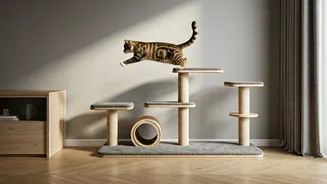
The word “renovate” can be terrifying for renters. But creating a vertical paradise doesn’t have to mean losing your security deposit. There are many less-permanent solutions. Tension-pole cat trees are a classic for a reason; they wedge securely between the floor and ceiling, offering multiple levels of climbing and perching without a single screw. You can also strategically place sturdy bookcases and shelves to create a climbing path. Many companies now offer modular, wall-mounted systems designed for easy installation and removal, leaving only small, easily patchable holes. If you do opt for floating shelves, use high-quality screw-in drywall anchors if studs aren't available, and be prepared to spackle and paint when you move out. A conversation with your landlord about making “pet-friendly improvements” might also go surprisingly well, especially if you frame it as a responsible way to prevent pet-related damage to the apartment.