
The Tyranny of the Trend Cycle
We live in an era of unprecedented fashion churn. Fueled by social media platforms like TikTok and ultra-fast fashion retailers, micro-trends are born, go viral, and die in a matter of weeks. One moment, it’s ‘coastal grandmother’; the next, it’s ‘weird
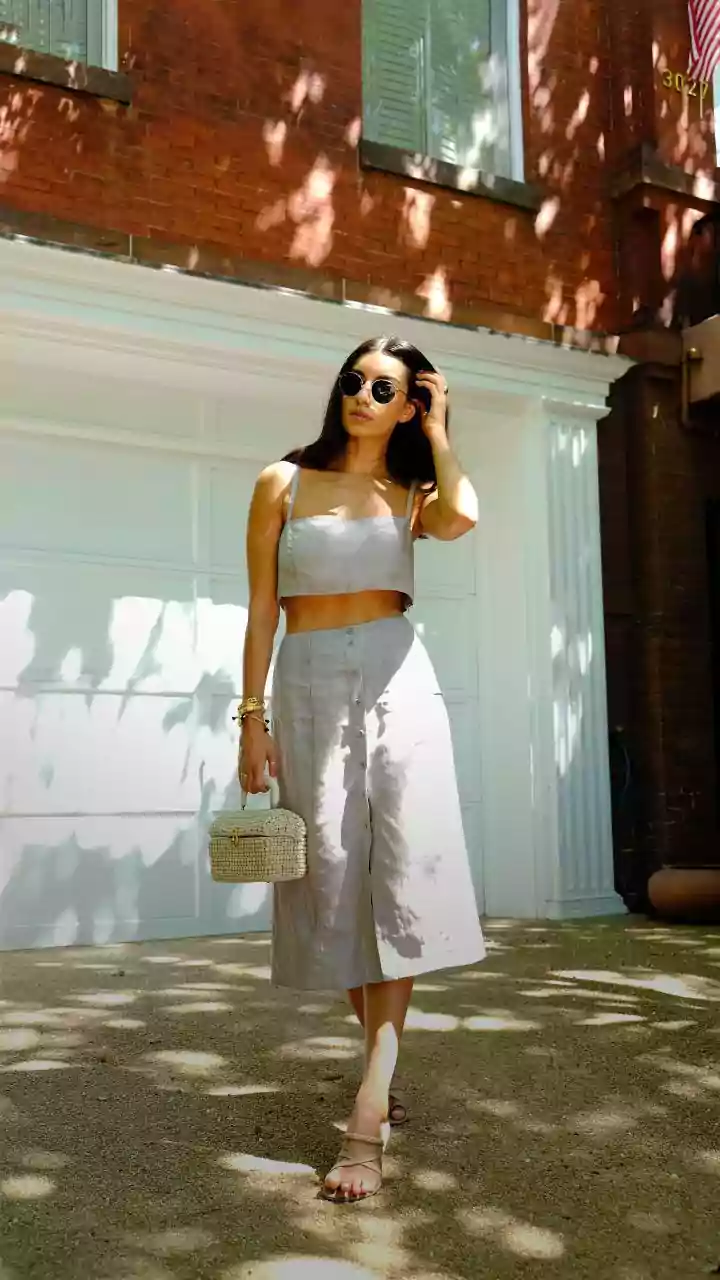
girl aesthetic.’ This relentless cycle creates a sense of consumer anxiety, a pressure to constantly buy new things to stay relevant. The result isn't true style, but a performance of it. Wardrobes become filled with cheap, disposable garments designed to be worn a few times for a photo and then discarded. This ‘sameness’ isn’t just about everyone wearing the same clothes; it’s about participating in the same frantic, unsustainable system—a cultural treadmill where the ultimate goal is simply to keep up.
A Quiet and Personal Protest
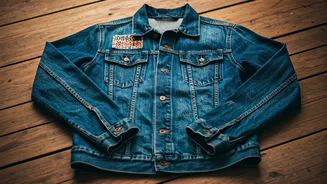
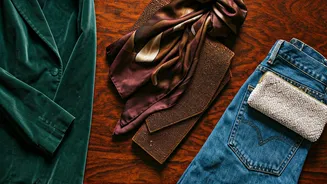
This is where vintage comes in. Choosing a 1970s suede jacket or a perfectly worn-in 1990s band tee is an act of opting out. It's a ‘soft rebellion’ because it isn’t loud or confrontational. It doesn't require a picket sign or a manifesto. Instead, the rebellion is woven into the very fabric of the garment. By choosing something old, you are implicitly rejecting the new—not because the new is inherently bad, but because the system that produces it has become overwhelming. It’s a personal decision to slow down, to value something with a past over something with a sell-by date. It’s a vote for character over conformity, a quiet declaration that your identity can’t be bought off a fast-fashion rack.
More Than Just Old Clothes
The appeal of vintage goes far deeper than just looking different. It aligns with a growing desire for more conscious consumption. First, there’s sustainability. The fashion industry is a notorious polluter, and wearing vintage is a powerful form of recycling, giving a second (or third, or fourth) life to a garment that would otherwise end up in a landfill. Then there’s the quality. A vintage piece, by its very existence, has proven its durability. It was likely made with better materials and more careful construction than its modern, mass-produced equivalent. Finally, there is the story. A vintage dress doesn't just hang in your closet; it carries whispers of its previous life. Who wore it? Where did they go? This embedded history adds a layer of soul and romance that a brand-new item simply cannot replicate.
The Thrill of The Hunt
In a world of one-click shopping and curated feeds that deliver exactly what you’re looking for, the process of finding vintage is a rebellion in itself. Thrifting or scrolling through pages on Depop or Etsy is an act of discovery. It requires patience, a keen eye, and a little bit of luck. You aren’t being sold a lifestyle; you’re hunting for a treasure. The reward is not just the item itself, but the satisfaction of the search. Finding that perfect, one-of-a-kind piece feels like a genuine accomplishment, a collaboration between you and the past. It’s a far cry from the hollow, fleeting satisfaction of adding the same trendy item to your online cart as thousands of other people at the exact same moment. It’s active participation in crafting your style, not passive consumption of a trend.