






Kigali: A Different Kind of Capital
Stepping into Rwanda’s capital, Kigali, is an exercise in recalibrating expectations. Manicured roundabouts, smoothly paved roads, and an almost complete absence of litter define the urban landscape. It feels less like a stereotypical bustling African
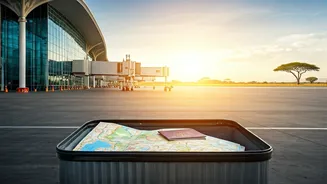
city and more like a Swiss town nestled in rolling hills. This isn’t a happy accident; it’s by design. In 2008, Rwanda enacted one of the world's most stringent bans on non-biodegradable plastic bags. The policy is so serious that luggage is often checked for rogue bags upon arrival at the airport. The result is a city of remarkable cleanliness that serves as the perfect, gentle introduction to a country that takes its environment seriously.
Umuganda: The National Cleanup Day
Rwanda's pristine reputation goes deeper than a government policy; it’s embedded in the culture. On the last Saturday of every month, the nation participates in “Umuganda.” The term translates to “coming together in common purpose,” and it’s a mandatory community service day for all able-bodied citizens aged 18 to 65. From 8 a.m. to 11 a.m., businesses close, traffic halts, and neighbors emerge to work on public projects—weeding gardens, repairing roads, or cleaning their communities. For travelers, it offers a fascinating glimpse into the social fabric of the nation. Umuganda is a powerful symbol of the unity and collective responsibility that has propelled Rwanda’s recovery and transformation over the past three decades. It’s a tangible expression of a nation rebuilding itself, block by block.
Gorillas in the Mist—and In Focus
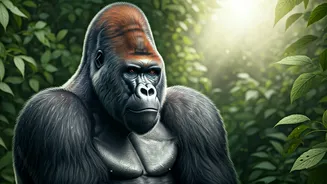
For most visitors, the main event is the life-changing experience of trekking to see mountain gorillas in Volcanoes National Park. This is eco-tourism at its most profound and well-managed. Permits are expensive and limited to small groups, a strategy that minimizes human impact and directly funds conservation efforts and local communities. After a challenging hike through dense bamboo forests, coming face-to-face with a family of these gentle giants is an unforgettable encounter. The hour you spend with them—watching silverbacks preside over their families and youngsters tumble through the foliage—feels both fleeting and eternal. It’s a powerful reminder of what’s at stake and a testament to Rwanda’s success in protecting one of the world's most endangered primates.
Beyond the Gorillas: A Land of a Thousand Hills
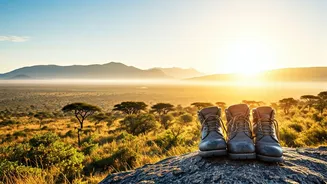
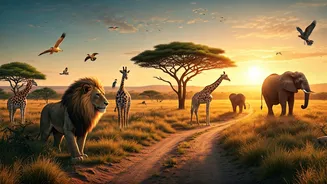
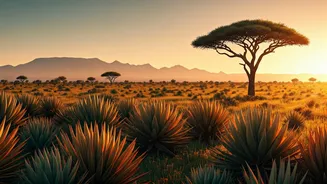
While the gorillas are the headline act, Rwanda’s natural beauty is far from a one-note affair. Known as the “Land of a Thousand Hills,” its landscape is a breathtaking tapestry of verdant terraces, lush valleys, and shimmering lakes. In the southwest, Nyungwe Forest National Park is one of Africa’s oldest rainforests, home to chimpanzees and a dozen other primate species. The main attraction here is the Canopy Walkway, a high-suspension bridge that offers a dizzying, bird’s-eye view of the forest. To the east, Akagera National Park has been spectacularly resurrected. Once depleted by poaching, a successful reintroduction program has brought back lions and rhinos, making it a Big Five safari destination that rivals any in East Africa. From misty mountains to sun-drenched savannah, Rwanda packs astounding ecological diversity into its compact borders.
A Forward-Looking Spirit
Perhaps the biggest surprise is the palpable sense of optimism and forward momentum. Kigali is a growing tech hub, new lodges champion sustainability, and there is an overwhelming focus on progress and reconciliation. While memorials like the Kigali Genocide Memorial are essential visits to understand the country's journey, they exist alongside a vibrant, safe, and welcoming modern society. The people are gracious, the infrastructure is impressive, and the collective commitment to building a better future is evident everywhere. This isn't a country defined by its past, but one that has learned from it to create a remarkable model for the continent and the world.