




The Great Schengen Scramble
Imagine this: you’re part of India’s booming middle class, with more disposable income and a bigger appetite for international travel than ever before. Europe, with its 29-country, border-free Schengen Area, is at the top of your list. The problem? Getting
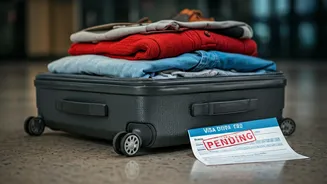
the visa to enter has become a logistical nightmare. After the pandemic, European consulates in India were swamped by a tidal wave of applications they were completely unequipped to handle. The result has been months-long waits just to get an appointment, followed by weeks of uncertainty, and for a growing number, an outright rejection. In 2023, Indian nationals filed over 966,000 Schengen visa applications, a record number. But with that surge came a significant rejection rate—around 1 in 10 applications were denied, and for certain countries, the rate was far higher. This isn't just an inconvenience; it's a high-stakes gamble. Applicants often have to show prepaid flights and hotels, meaning a visa rejection can lead to thousands of dollars lost before the trip even has a chance to begin.
From Wanderlust to Data Analysis
Faced with this uncertainty, a new travel strategy has emerged: “visa-first, vacation-later.” Instead of picking a destination based on desire, savvy Indian travelers are now picking it based on data. They are “visa shopping,” a practice where the choice of a country is dictated entirely by its reputation for processing visas quickly and with a lower rejection rate. The dream of strolling along the Seine is being deferred in favor of the pragmatic choice of whichever consulate offers the path of least resistance. This has turned trip planning into a form of amateur data science. Travelers comb through social media groups, WhatsApp chats, and travel forums, sharing real-time intel. They track wait times at VFS Global centers (the outsourcing company that handles most applications), crowd-source rejection statistics, and analyze which consulates are perceived as “lenient” or “strict.” The romantic notion of a European getaway has been replaced by a calculated game of bureaucratic arbitrage.
Playing the Numbers Game
So, what do the “odds” look like? Based on traveler reports and official statistics, a clear hierarchy has emerged. Countries like Switzerland and Hungary are often cited as being more favorable, with relatively straightforward processes and higher approval rates. They are seen as the “easy wins” for securing that all-important entry stamp into the Schengen zone. On the other end of the spectrum are countries that have earned a reputation for being notoriously difficult. In recent years, data has shown countries like Malta, Estonia, and Belgium having some of the highest rejection rates for Indian applicants. For travelers, applying to one of these embassies feels like a long shot. The strategy, therefore, becomes to secure a visa from a “friendly” country. Once inside the Schengen Area, travelers are free to cross borders and visit their actual desired destination, whether it’s Germany, France, or the Netherlands.
The Consequences of the Workaround
This workaround has significant ripple effects. For one, it means a traveler planning a two-week trip to Italy might first have to book a refundable three-day trip to Budapest, apply for a Hungarian visa, and make Hungary their official port of entry. This adds layers of complexity and cost to travel planning. It also creates a disconnect between visa statistics and actual tourism traffic; the country issuing the visa may see very little of the tourist’s spending money. For European nations, this trend is a double-edged sword. While it highlights the massive demand from one of the world's fastest-growing travel markets, it also exposes the inadequacy of their consular infrastructure. By making it so difficult to enter legally, they are inadvertently encouraging strategic, and sometimes disingenuous, application behavior. It’s a loss for the traveler, who faces stress and uncertainty, and a loss for the countries that are missing out on direct tourism because their visa process is seen as too much of a gamble.