






From Guard Dog to Fur Baby
For generations, the role of a pet in many Indian households was functional—a dog to guard the house, a cat to catch mice. Their diets often consisted of table scraps, leftovers like roti (flatbread) and rice, or simple home-cooked meals. But in the bustling
apartments of Mumbai, Bangalore, and Delhi, a dramatic cultural shift is underway. As India's middle class expands, incomes rise, and family structures change, pets are being redefined. They are no longer just animals; they are family. This emotional shift, often called the ‘humanization’ of pets, is the primary engine driving the demand for better pet care. Young professionals and nuclear families, often living away from their extended relatives, are finding companionship in pets and are willing to spend significantly to ensure their well-being, starting with what’s in their bowl.
The Pandemic Puppy Boom
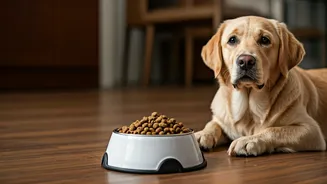
The global COVID-19 pandemic acted as a powerful accelerant for this trend. During long, isolating lockdowns, millions of Indians adopted pets for comfort and companionship. A 2021 survey revealed a sharp spike in pet ownership, creating a massive cohort of new, often first-time, pet parents. Unlike previous generations, these owners came into the experience armed with information from the internet and a desire to do the absolute best for their new family members. They weren't satisfied with mass-market kibble or leftovers. Instead, they sought out products and services that mirrored their own wellness-focused lifestyles, creating a ripe market for premium pet products that hadn't existed on this scale before.
Rise of the Pet-Tech Startups
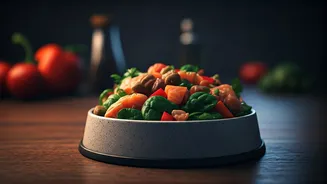
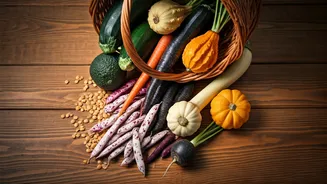
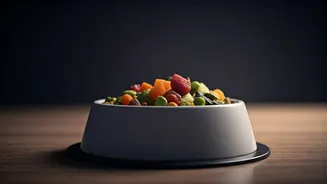
Into this gap stepped a wave of ambitious Indian startups. Companies like Heads Up For Tails, Supertails, and Pawfectly Made saw the demand and built direct-to-consumer (D2C) businesses to meet it. These are not your traditional pet stores. They offer subscription-based, freshly cooked meals customized to a pet's breed, age, and health needs, delivered directly to the customer’s door. Their marketing emphasizes what they *don’t* include: preservatives, artificial flavors, and mystery meat fillers. Instead, their websites and social media feeds are filled with images of fresh chicken, vibrant vegetables, and turmeric-infused broths—ingredients familiar from a human kitchen. They’ve successfully positioned themselves as the healthy, trustworthy alternative to legacy brands, much like how niche wellness brands disrupted the food industry in the U.S.
What 'Cleaner' Actually Means
So, what does a “cleaner” pet diet look like in the Indian context? It’s a blend of global trends and local sensibilities. It means human-grade ingredients, where the chicken in your dog’s food is the same quality you’d buy for yourself. It means transparency, with brands meticulously listing where they source their ingredients. The movement also embraces both scientific formulation and traditional knowledge. You might find a grain-free diet using imported salmon alongside a recipe that incorporates turmeric for its anti-inflammatory properties, an ingredient central to Indian cooking and Ayurveda. For many consumers, ‘clean’ is shorthand for unprocessed, preservative-free, and trustworthy—a promise that they are giving their pet the best possible foundation for a long, healthy life.