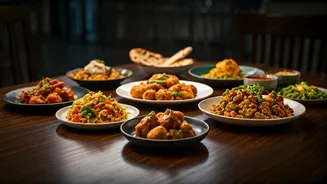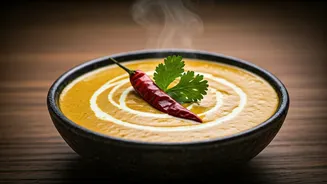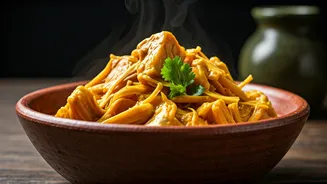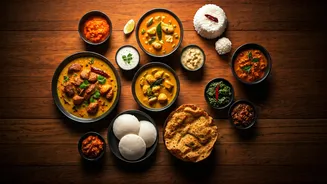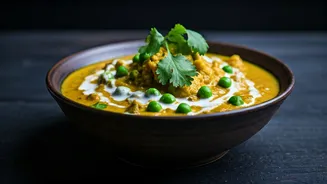




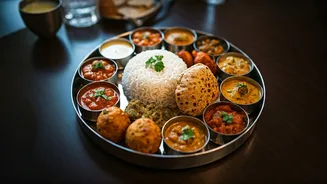


A World in a Single Bowl
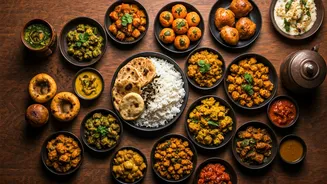
First, let's clear something up. When we say “coconut curry,” we aren't talking about a single dish. It’s a vast, delicious category spanning thousands of miles and multiple cultures. The headline points to India, where southern states like Kerala and Goa
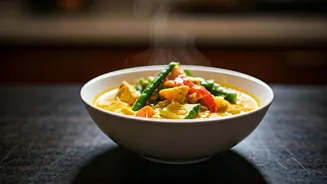
have long perfected simmering fish, chicken, and vegetables in coconut milk with turmeric, mustard seeds, and curry leaves. But the journey of coconut curry extends far beyond. In Thailand, it’s the base for the iconic green, red, and massaman curries, each with a unique paste of chiles, lemongrass, and galangal. Head to Malaysia and you'll find laksa, a spicy noodle soup with a rich coconut curry broth. Sri Lanka has its own universe of coconut-based curries, often lighter and brighter. What Americans often lump together as one idea is, in reality, a testament to the incredible versatility of the coconut palm across an entire continent. This diversity is a key part of its global appeal; there's a coconut curry for every palate.
The Ultimate Culinary Blank Canvas
One of the biggest drivers of coconut curry’s popularity is its profound adaptability. Think of the coconut milk base as a blank canvas. It’s rich and creamy, with a subtle sweetness that masterfully balances spice, salt, and sourness. This makes it an incredibly forgiving foundation for home cooks and a versatile tool for chefs. It welcomes almost any ingredient you can throw at it: tender chunks of chicken, plump shrimp, flaky fish, or hearty beef. But its real superpower in the modern American diet is its seamless compatibility with plant-based eating. The coconut milk itself is naturally vegan and dairy-free. Swap chicken for chickpeas or tofu, load it up with broccoli, spinach, and sweet potatoes, and you have a deeply satisfying vegan meal that doesn't feel like a compromise. In a world of increasingly specific dietary needs—gluten-free, dairy-free, vegan, paleo—coconut curry effortlessly checks all the boxes, making it a unifying dish in a fragmented food landscape.
A Gentle Gateway to Bolder Flavors
For many Americans, coconut curry serves as the perfect 'starter' dish for exploring the broader world of South and Southeast Asian cuisine. Its creamy, often sweet profile is familiar and comforting, lacking the intense fermented funk of some fish sauces or the fiery, unadulterated heat of other regional specialties that can be intimidating to the uninitiated. A mild Thai green curry or a rich Indian korma is an easy 'yes' for someone who might hesitate before trying a pungent vindaloo or a spicy som tam salad. It provides an accessible entry point, building a diner's confidence and curiosity. Once they fall in love with the balanced flavors of a coconut curry, they're often more willing to explore other, more complex dishes from the same menu or culture. In this way, coconut curry acts as a brilliant culinary ambassador, opening doors to a wider appreciation of global foodways.
From Restaurant Treat to Weeknight Hero
For decades, a good curry was something many Americans went out for. It was a restaurant dish, requiring what seemed like a pantry full of exotic spices and complex techniques. That has fundamentally changed. The modern American supermarket has democratized curry night. Cans of high-quality coconut milk are now a staple in almost every grocery store, sitting right next to the canned tomatoes. Jars of excellent red and green curry paste are no longer specialty items, and you can find fresh lemongrass and ginger in most produce sections. This accessibility has transformed coconut curry from a weekend takeout treat into a viable, even easy, weeknight dinner. A delicious, restaurant-quality curry can be on the table in under 30 minutes with just a handful of ingredients. This convenience, combined with its comforting nature and healthy profile, has cemented its place in the modern American recipe rotation.