




So, What Exactly Is Gut Diversity?
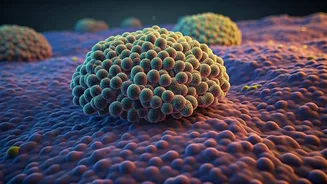
Imagine your gut not just as a digestive tube, but as a bustling, microscopic metropolis. This city is home to trillions of microorganisms—bacteria, fungi, and viruses—collectively known as your gut microbiome. When wellness experts talk about 'gut diversity,'
they’re talking about the variety of species living in that city. Is it a vibrant, multicultural hub with tons of different residents, or is it a bland suburb where everyone is the same? A diverse microbiome is like a thriving rainforest, full of different organisms that work together to create a resilient, balanced ecosystem. In contrast, a low-diversity gut is more like a monoculture farm—vulnerable to disease, pests (in this case, harmful bacteria), and environmental stress. The more types of 'good guys' you have, the better equipped your body is to handle whatever comes its way, from processing food to fighting off pathogens.
Why More Is Merrier for Your Health
This isn’t just a numbers game; it's about function. Different microbial species have different jobs. Some are experts at breaking down tough plant fibers that our bodies can't digest on their own, releasing beneficial compounds like short-chain fatty acids (SCFAs) in the process. These SCFAs help reduce inflammation, fortify the gut lining, and even influence our mood and brain health. Other microbes are responsible for synthesizing essential vitamins, like vitamin K and certain B vitamins. Still others act as the bouncers of your internal club, training your immune system to recognize friend from foe and preventing opportunistic 'bad' bacteria from taking over. When your gut has high diversity, you have a full toolkit of specialists ready for any task. Low diversity, on the other hand, is linked to a host of modern ailments, including inflammatory bowel disease (IBD), obesity, allergies, and even some mental health conditions.
The 'Anti-Hype' Difference
Here’s why this concept is resonating as an 'anti-hype' trend. Unlike a three-day juice cleanse, a single 'superfood' obsession, or a pricey supplement that promises a quick fix, improving gut diversity isn't about a magic bullet. It’s a long-term strategy, not a short-term hack. Hype-driven wellness often promotes restriction and exclusion, telling you to cut out entire food groups. The gut diversity approach does the opposite: it champions inclusion and abundance. It’s not about finding one perfect food but about embracing a wide variety of them. This fundamentally shifts the focus from a cycle of deprivation and quick fixes to one of nourishment and sustainability. It’s a return to foundational principles of nutrition that are far less marketable than a detox tea but infinitely more effective for long-term health.
Simple Ways to Boost Your Gut Diversity
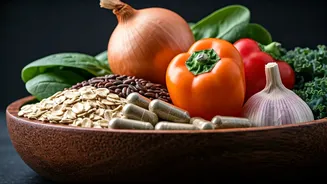
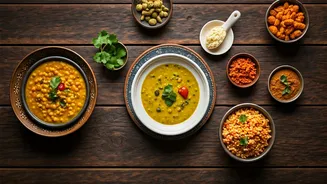
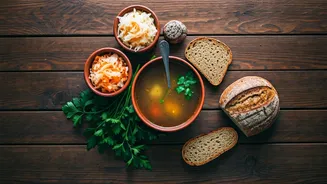
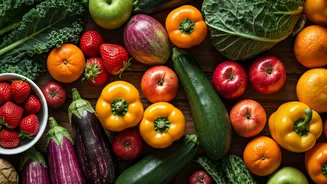
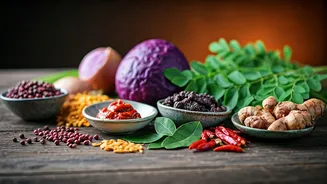
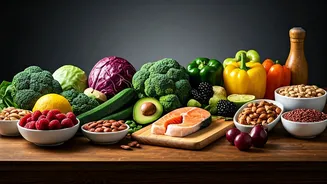
The good news is that you don't need a PhD in microbiology to cultivate a healthier gut. The principles are refreshingly simple. First, eat a wide variety of plants. Many experts suggest aiming for 30 or more different types of plant foods per week—this includes fruits, vegetables, nuts, seeds, legumes, and whole grains. Each plant provides different types of fiber and phytonutrients that feed different kinds of beneficial microbes. Second, prioritize fiber. This is the primary food source for your gut bacteria, acting as a prebiotic. Think oats, beans, lentils, and artichokes. Finally, incorporate fermented foods into your diet. Things like yogurt with live active cultures, kefir, kimchi, sauerkraut, and kombucha contain live bacteria (probiotics) that can add new, beneficial residents to your gut community. It’s about consistently feeding your internal ecosystem a varied and nourishing diet.