


An Island Outside of Time
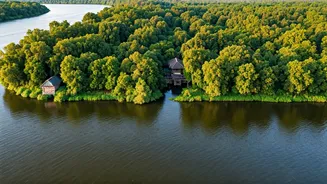
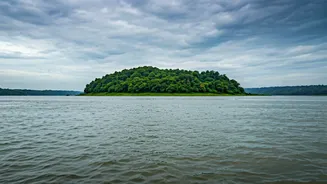
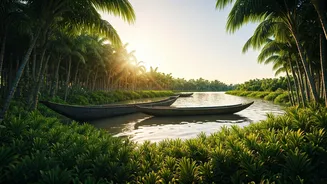
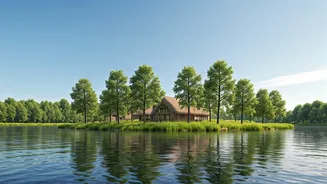
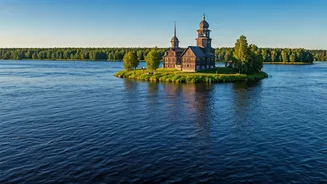
Located in India’s northeastern state of Assam, Majuli is the world’s largest river island, a temporary landmass shaped and reshaped by the moods of the mighty Brahmaputra. This geographical isolation has created a unique cultural biosphere. Life here moves
at a different pace, dictated by seasons and the river’s flow, not by a packed itinerary. For travelers weary of transactional tourism, Majuli offers something far more profound: immersion. It’s a place where you don’t just see the sights; you participate in the life of the island, even if just by slowing down to its gentle, unhurried frequency.
Community at the Core
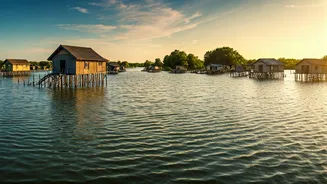
What truly sets Majuli apart is its model of sustainable tourism, which is deeply rooted in its indigenous communities, particularly the Mishing people. Instead of large, impersonal hotels, visitors stay in bamboo stilt houses, often run by local families. These homestays are not a manufactured “experience” but a genuine invitation into their world. You eat what the family eats, freshly prepared from local produce. You learn about their intricate weaving traditions, where women create vibrant textiles on handlooms beneath their homes. This isn't poverty tourism; it's a dignified, community-led enterprise where the economic benefits of travel flow directly to the people who are sharing their culture, ensuring its preservation rather than its dilution.
The Art of Doing Nothing
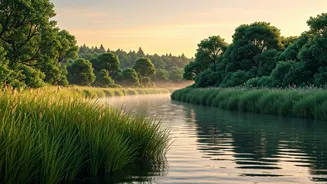
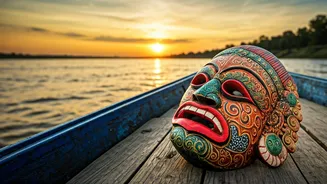
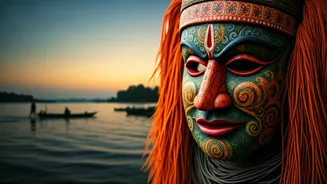
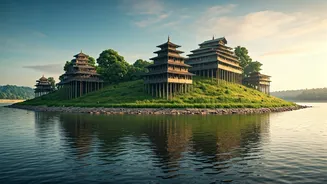
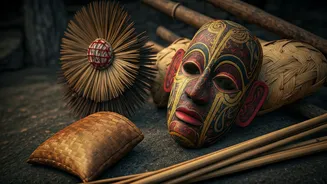
The concept of “slow travel” is fully realized in Majuli. The primary mode of transport is the bicycle, and the main activity is simply being present. Days are spent cycling along earthen paths, past emerald-green rice paddies and ponds dotted with fishing nets. The island is also the cradle of a unique Neo-Vaishnavite culture, centered in monasteries known as 'satras.' Here, you can witness centuries-old traditions of mask-making, dance, and prayer. But the real magic of Majuli lies in the unplanned moments: sharing a cup of tea with a village elder, watching children play in the dust, or listening to the chorus of insects at dusk. It redefines a vacation as a period of connection and reflection, not just consumption.
A Fragile Paradise
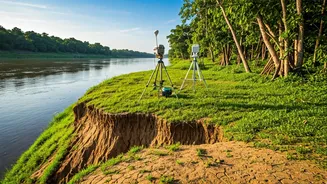
This idyllic existence is shadowed by a constant threat. The same river that gives Majuli life is also consuming it. Every monsoon, the Brahmaputra’s powerful currents cause severe erosion, washing away chunks of the island. Experts predict that if the current rate continues, Majuli could disappear within decades. This precariousness lends a quiet urgency to any visit. Travel here becomes more than a holiday; it’s an act of witness and support for a way of life that is beautiful, resilient, and acutely endangered. By choosing to visit responsibly, travelers contribute to a local economy that provides an alternative to migration, giving residents a reason to stay and fight for their ancestral home.