



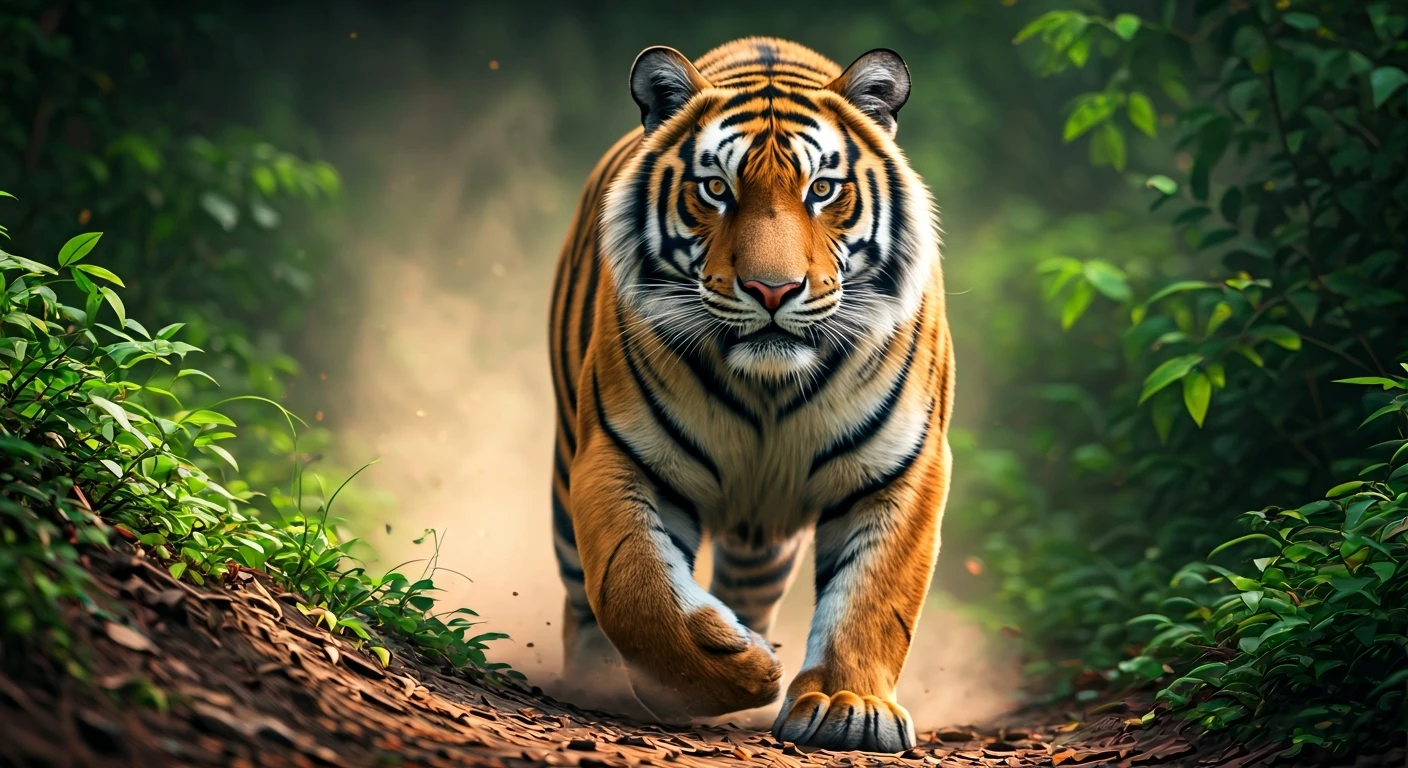
India’s Tiger-Sighting Superstars
Before we get to the ‘shut’ part, let’s talk about the ‘ready.’ Ranthambore National Park in Rajasthan and Bandhavgarh National Park in Madhya Pradesh are the stuff of wildlife legend. For American travelers looking for that jaw-dropping, once-in-a-lifetime
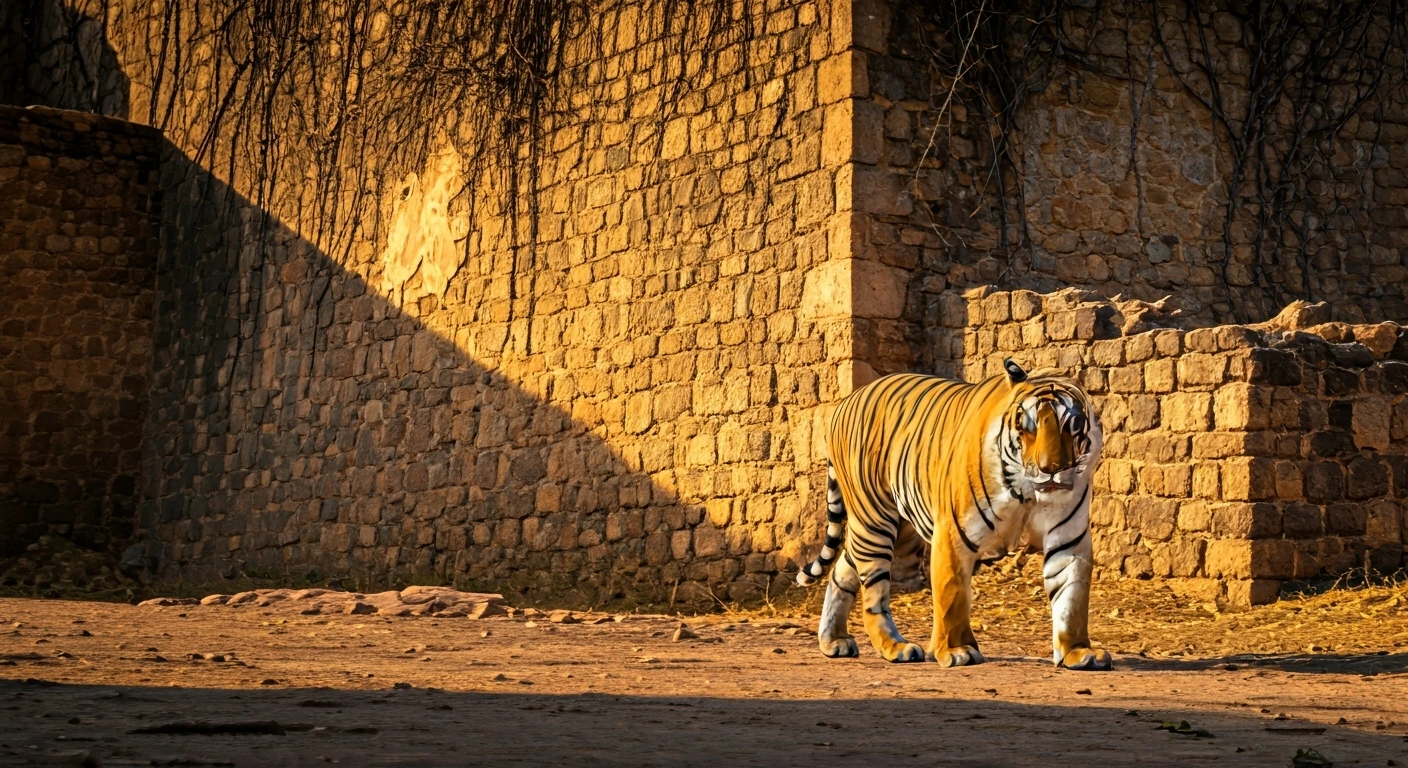
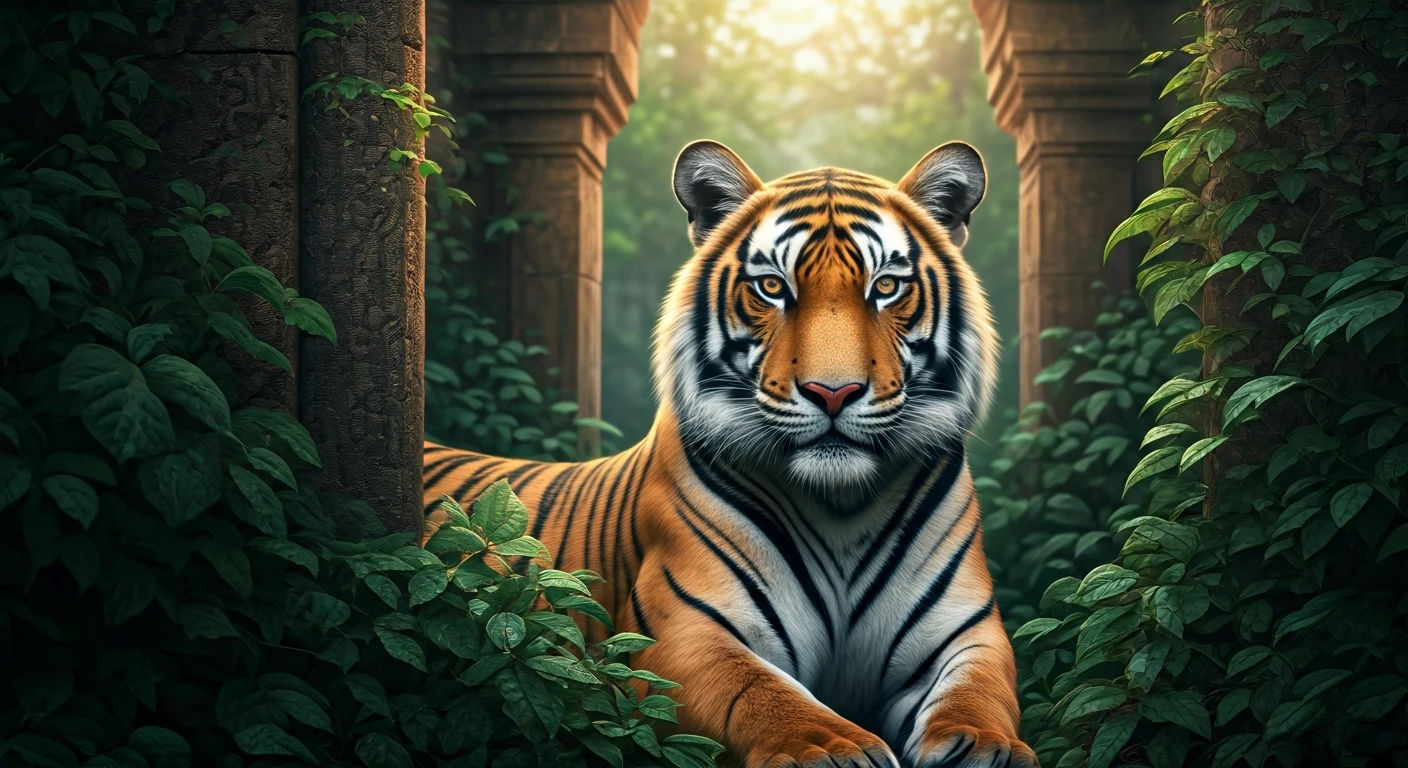
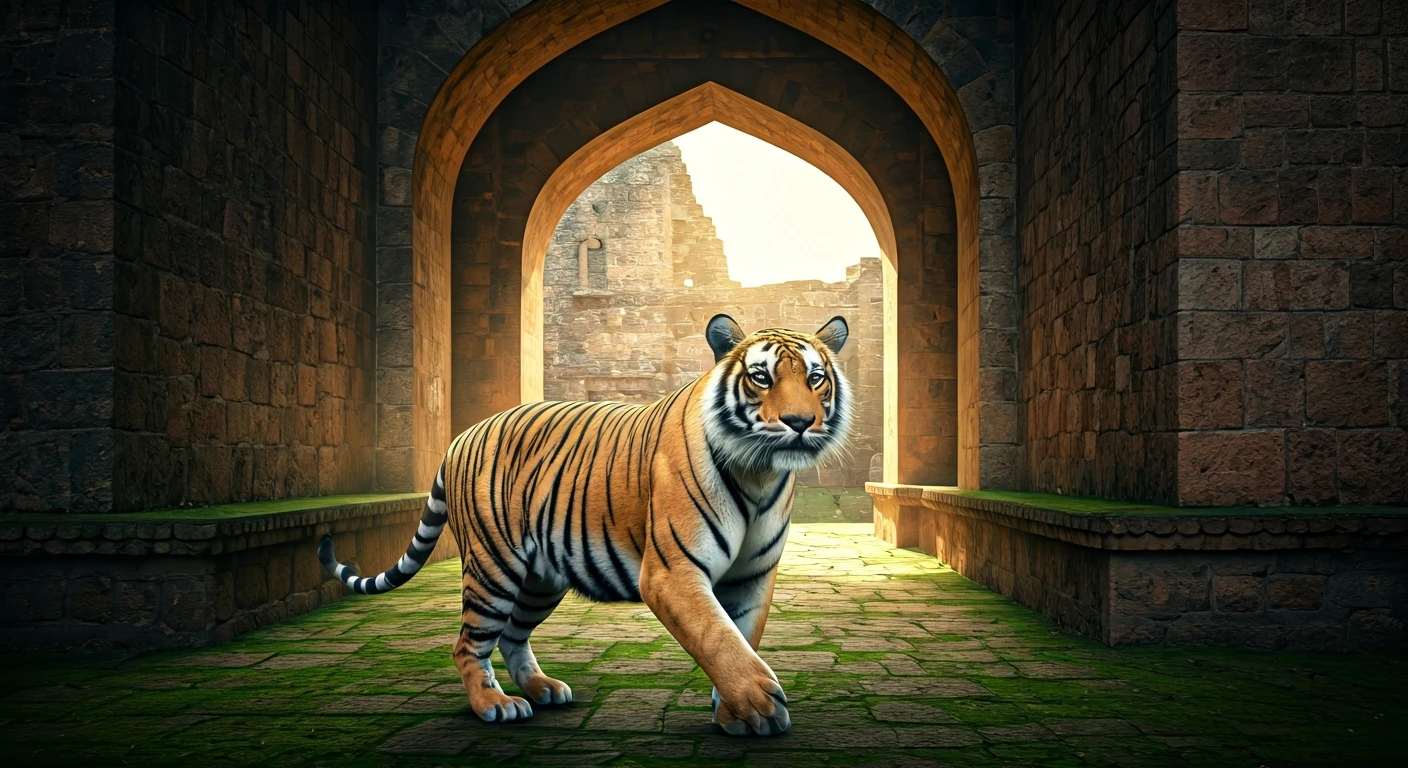
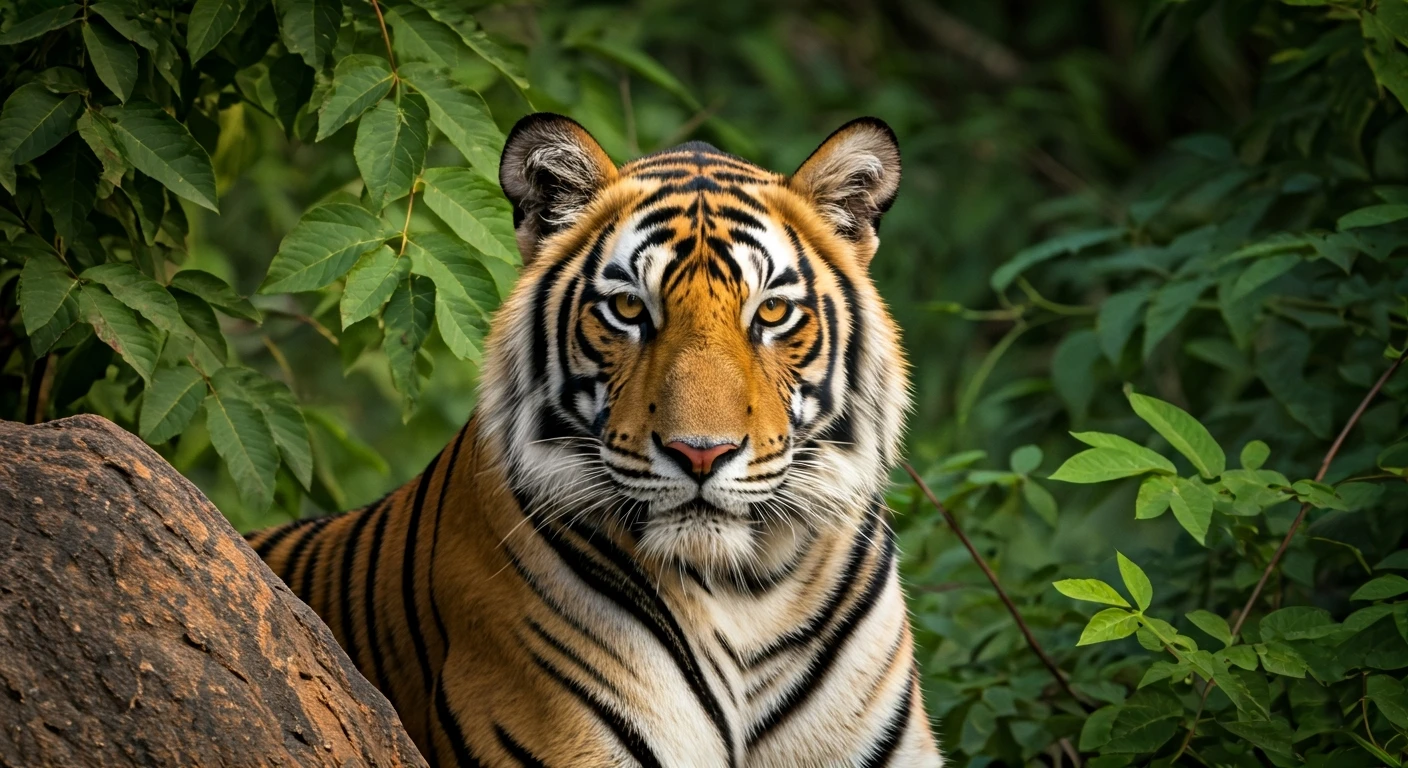
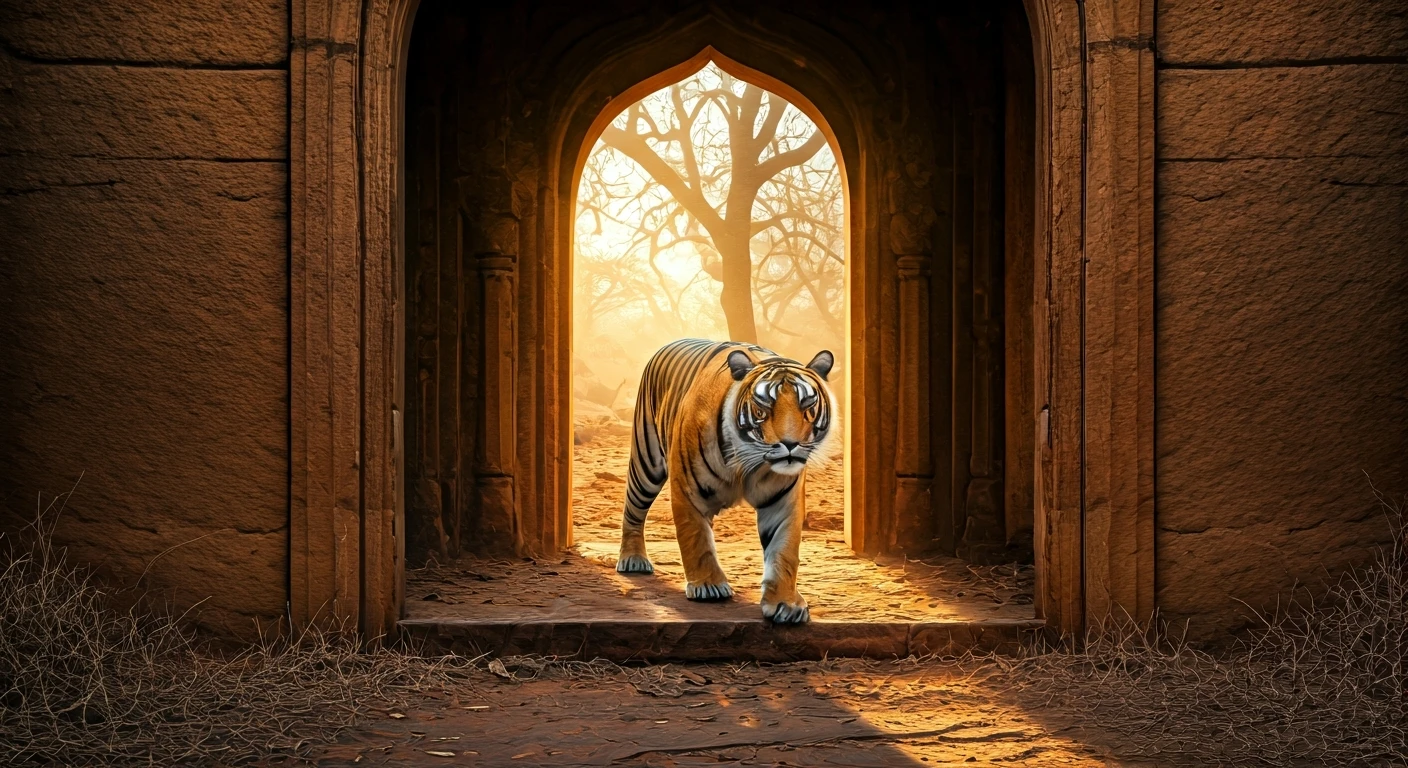
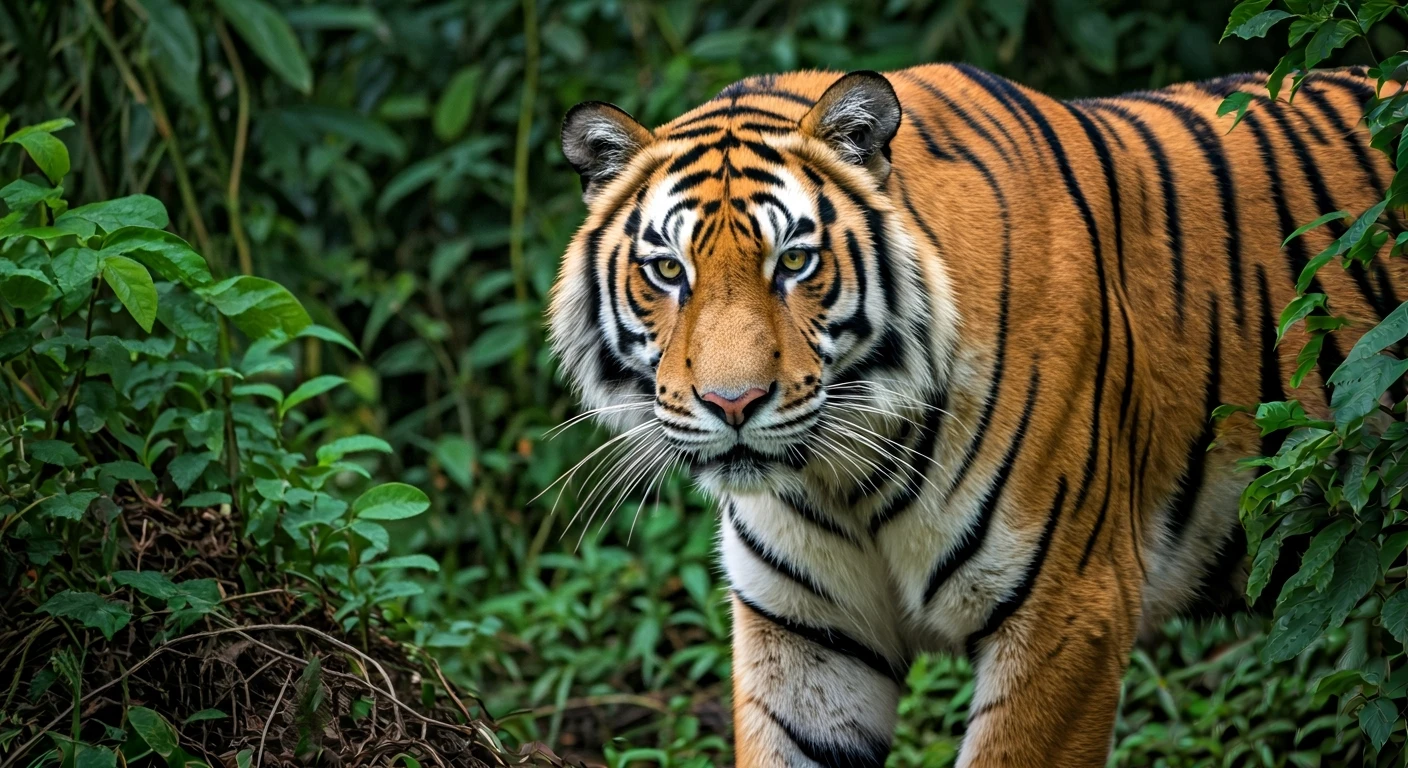
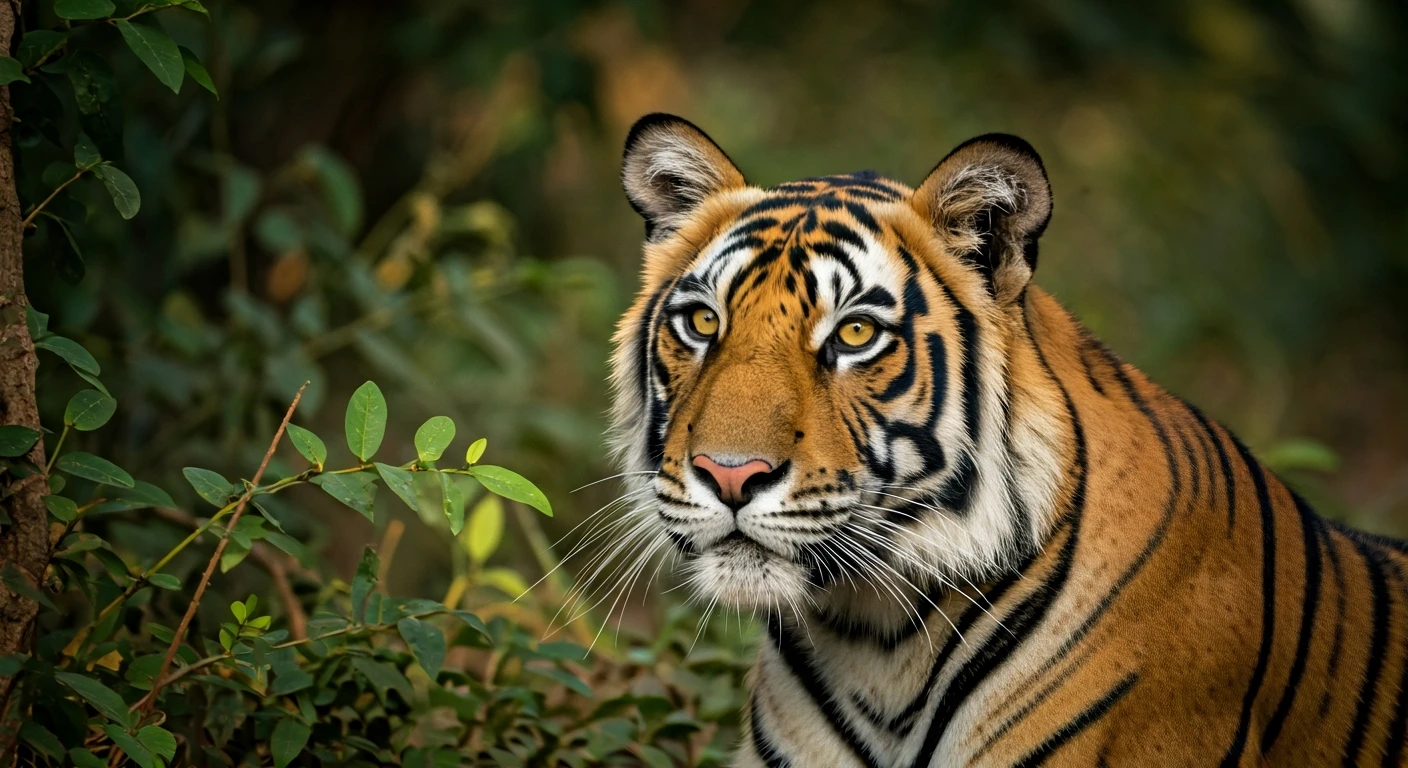
safari experience, these two parks are often at the top of the list. Ranthambore, with its ancient fort looming over jungles and lakes, feels like a scene from “The Jungle Book.” It’s famous for its relatively bold tigers who are accustomed to safari vehicles, making for incredible photographic opportunities. Bandhavgarh, though smaller, boasts one of the highest densities of tigers in India. Its lush forests and grassy meadows offer a different but equally stunning backdrop for tracking the elusive striped cat. A trip to either park isn't just a vacation; it's a pilgrimage for nature lovers, a chance to witness one of the planet's most magnificent predators.
What 'Rain-Shut' Actually Means
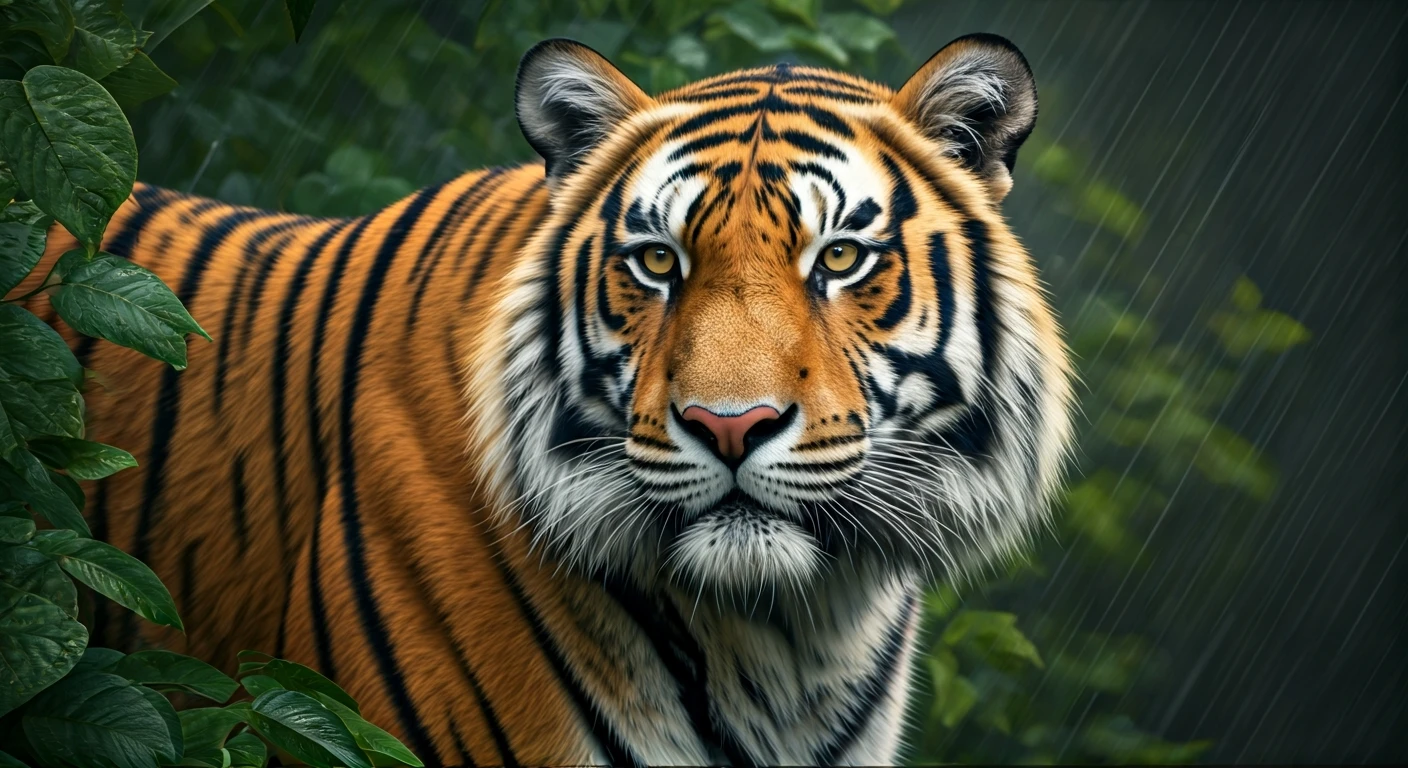
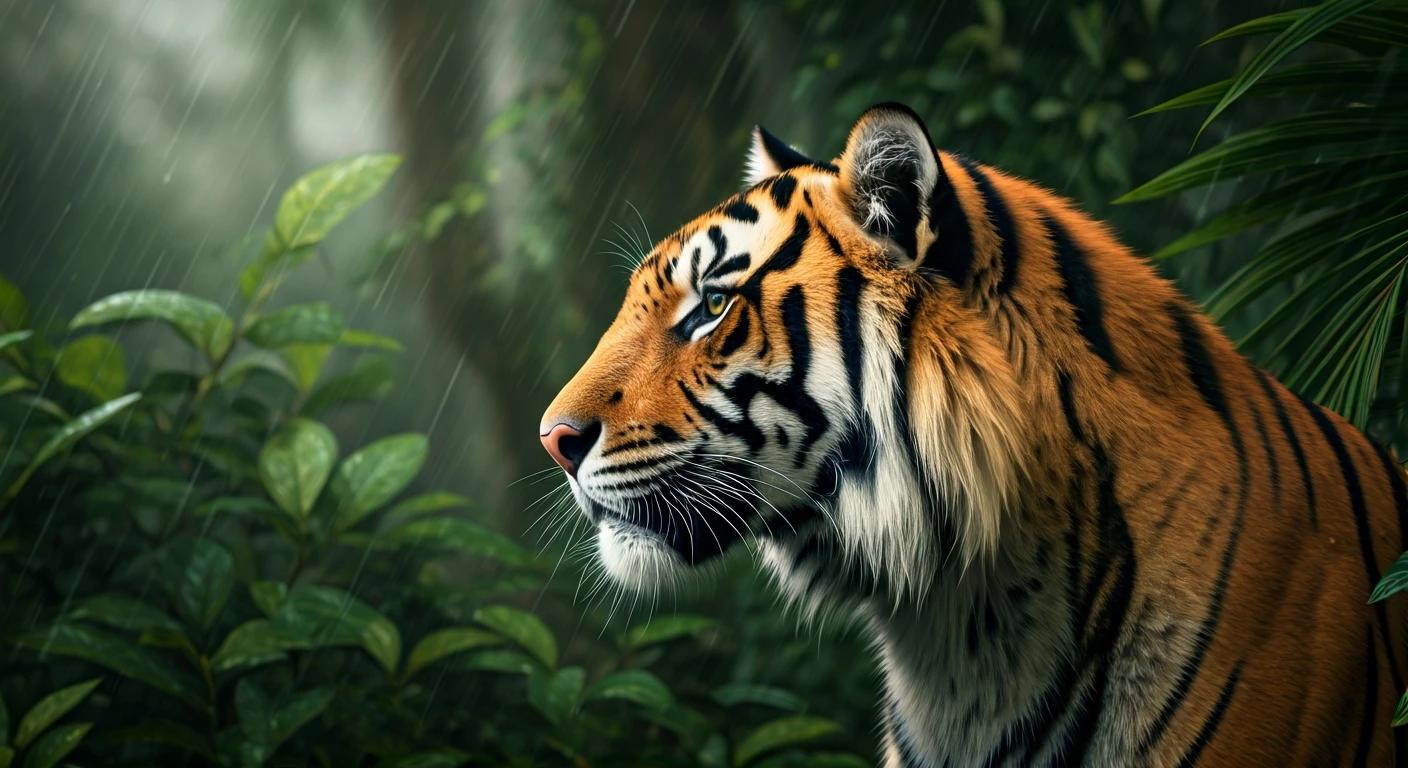
The phrase “rain-shut ready” signals the imminent arrival of the monsoon, the seasonal weather pattern that drenches the Indian subcontinent from roughly July to September. For national parks like Ranthambore and Bandhavgarh, this isn't just a bit of rain; it's a deluge. The torrential downpours turn the parks’ dirt tracks and safari routes into impassable rivers of mud. It’s not an exaggeration to say that safari jeeps would get hopelessly stuck, making wildlife viewing not only impossible but dangerous. Therefore, as a standard, predictable practice, the core zones of most major tiger reserves in Central and Northern India close to the public. This annual shutdown typically runs from July 1st to September 30th. The headline means the park authorities are making their final preparations for this three-month hiatus.
A Necessary Rest for a Wild Kingdom
While the closure might seem like an inconvenience for tourists, it’s a biological necessity for the parks. The monsoon is a time of rebirth and regeneration. The heavy rains replenish water sources and allow the parched vegetation to burst back to life, providing crucial nourishment for deer, boar, and other prey animals. More importantly, it’s a period of peace and quiet for the wildlife. The monsoon coincides with the mating season for many species, including tigers. Without the daily rumble of safari vehicles, the animals can breed and raise their young with less human-induced stress. Think of it as the park’s annual spa retreat—a vital time to heal, grow, and ensure the ecosystem remains healthy and balanced for the year to come.
Planning Your Trip: Timing Is Everything
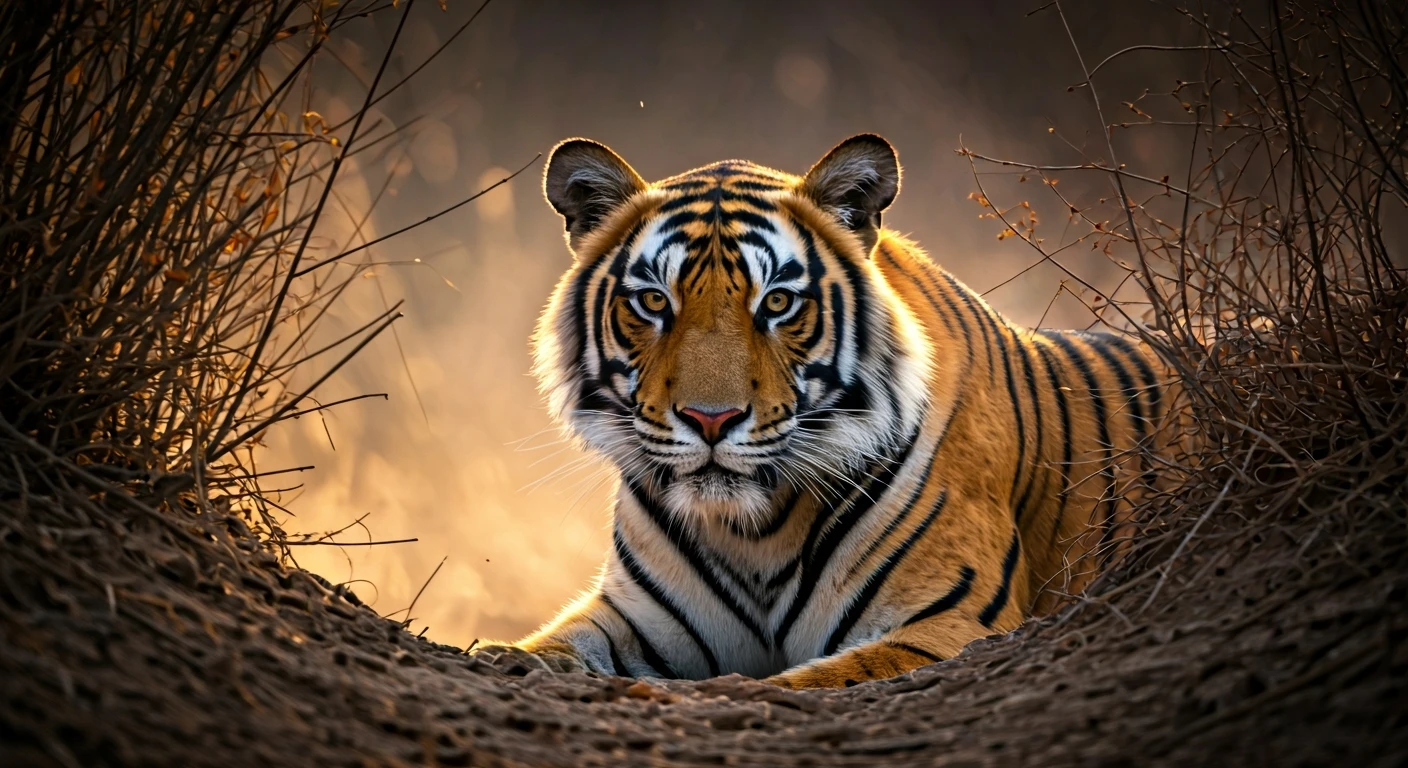
So, what does this mean for you, the traveler planning a trip from the U.S.? It means timing is everything. The peak season for visiting these parks runs from October, when they reopen after the monsoon, through June. This long window offers two very different experiences. The period from October to March is cool, pleasant, and green, making for comfortable safaris. However, the lush vegetation can make spotting tigers more challenging. The hot, dry season from April to June is a different story. While the heat can be intense, the vegetation dies back and water sources dwindle, forcing tigers and other animals to congregate around the remaining waterholes. This dramatically increases your chances of a sighting. Many seasoned safari-goers swear by these hotter months, considering the discomfort a small price to pay for a near-guaranteed glimpse of a tiger.
What If You Must Travel During Monsoon?
If your travel dates are inflexible and land you in India during the monsoon, don't despair entirely, but do adjust your expectations. While the core, most popular zones of the parks are closed, many parks keep peripheral “buffer zones” open to tourism year-round. Safaris in these buffer zones can still be beautiful, offering a chance to see the jungle in its most verdant, rain-washed glory. You’ll likely see plenty of other wildlife, like monkeys, deer, and exotic birds. However, tiger sightings in these zones during the monsoon are far less common. The experience is more about appreciating the lush, atmospheric jungle itself than it is about a dedicated tiger-tracking expedition.