


The Great Indian Travel Boom
First, you have to understand the scale of what's happening. India is in the midst of an unprecedented travel boom. A rapidly expanding middle and upper-middle class, with more disposable income than ever before, has shifted its spending priorities. Where
a car or a house was once the ultimate status symbol, international travel is now the ultimate aspiration. Post-pandemic, this pent-up demand has exploded. For millions of Indians, seeing the Eiffel Tower, exploring Times Square, or relaxing on a Thai beach is no longer a distant dream but a tangible goal. In 2024, Indian citizens are projected to spend a staggering $42 billion on outbound travel. This isn’t just a trend; it's a massive economic and cultural shift, creating a formidable new force in global tourism. But this ambition is running headfirst into a major obstacle.
Hitting the Visa Wall
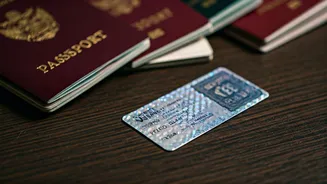
For American travelers accustomed to visa-free access to much of the world, the hurdles faced by Indian passport holders can be hard to grasp. Applying for a tourist visa to the U.S. or the European Schengen Area is a grueling, expensive, and uncertain process. It involves mountains of paperwork (bank statements, employment letters, property deeds), steep fees, and often, an in-person interview. The biggest bottleneck, however, is time. Wait times for a U.S. visa interview in India have, at times, stretched to over 500 days. The Schengen states are similarly swamped. This bureaucratic friction creates a huge risk for travelers who need to book flights and hotels months in advance, with no guarantee their visa will arrive in time, or at all. So, what do you do when the front door is locked? You start looking for side entrances.
The Art of 'Visa Shopping'
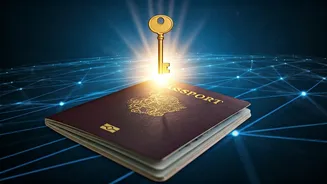
This is where the 'pro' optimization begins. Instead of applying to the country they most want to visit first, savvy travelers are engaging in 'visa shopping.' The goal is to secure a powerful, long-duration, multiple-entry visa that can act as a key to unlock other destinations. A 10-year U.S. tourist visa, for instance, is considered a golden ticket. It not only grants easy access to the United States for a decade but also makes applying for visas to other countries like the U.K., Canada, or Schengen nations much easier. Why? Because it signals to other embassies that the traveler is 'vetted'—low-risk and with a proven travel history. Similarly, a 5-year Schengen visa is highly coveted. Travelers will strategically apply through the embassy of a less-trafficked country—say, Lithuania instead of France—in the hopes of a quicker, more favorable outcome. Once secured, that visa grants them access to all 29 Schengen countries.
Strategic Itinerary Stacking
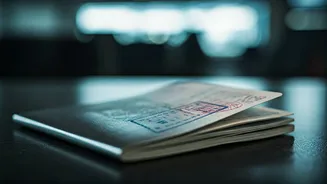
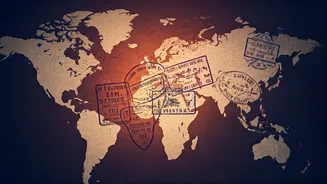
The next level of optimization is 'itinerary stacking.' This involves building a travel history by visiting countries with more lenient entry requirements. A passport filled with stamps from visa-free destinations like Thailand, Malaysia, or the Maldives demonstrates a pattern of tourism and return. This 'proves' to stricter Western consulates that the applicant is a genuine tourist, not an immigration risk. Another popular tactic is to use a specific visa's fringe benefits. For example, a valid U.S., U.K., or Schengen visa can grant Indian passport holders visa-free entry to dozens of other countries, from Mexico and the Philippines to parts of the Balkans. Travelers are now planning multi-country trips specifically designed to leverage these cascading permissions, turning one difficult visa application into a gateway for a half-dozen new destinations.
The Rise of the Visa Strategist
This complexity has fueled the rise of a new profession: the visa consultant. These aren't your old-school travel agents. They are strategists who advise clients on the optimal order of visa applications, how to curate their financial documents, and which embassy to approach for the best odds. They help build a 'traveler profile' over years, guiding a client from their first trip to Southeast Asia to eventually securing that coveted long-term U.S. or European visa. Their existence underscores a simple truth: for the modern Indian traveler, planning a trip isn't just about where you want to go, but about gaming the system to get there.