

The Era of the Sad Pouch
Let’s be honest: for a long time, the packaging for most Indian ready-to-eat (RTE) meals was a study in beige. Think flimsy cardboard sleeves, unappetizing food photography (if any), and silver retort pouches that looked more like military rations than
a delicious dinner. These products, often tucked away in the “international” aisle, were designed for function, not fantasy. The target audience was often first-generation immigrants seeking a quick taste of home or adventurous but budget-conscious shoppers. The packaging conveyed a simple message: 'This is authentic, it’s convenient, and it’s probably what you’re looking for if you already know what Saag Paneer is.' There was no attempt to seduce the casual browser or compete visually with the glossy, chef-endorsed pasta sauce one aisle over. The assumption was that the product’s appeal was intrinsic to a niche market, and the exterior was just a container.
A Cultural and Commercial Shift
So, what changed? In short, America’s palate evolved, and so did the market. Indian food, once considered an exotic venture, is now a mainstream favorite. From food trucks to fine dining, Americans have embraced the complex flavors of dals, curries, and biryanis. This growing familiarity created a massive commercial opportunity. Simultaneously, a new generation of Indian Americans, who grew up navigating both cultures, entered the food industry as entrepreneurs and brand managers. They saw a disconnect between the vibrant, diverse cuisine they loved and the dreary way it was presented on store shelves. They understood that in the age of Instagram and foodie culture, aesthetics aren't just a bonus—they're a crucial part of the experience. A meal has to look good on the shelf and on the plate if it’s going to compete for the modern American consumer’s dollar.
The Glow-Up in the Freezer Aisle
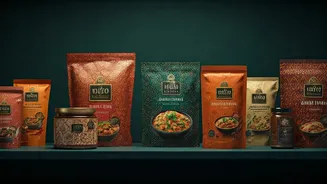
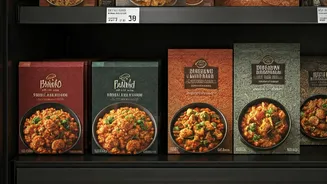
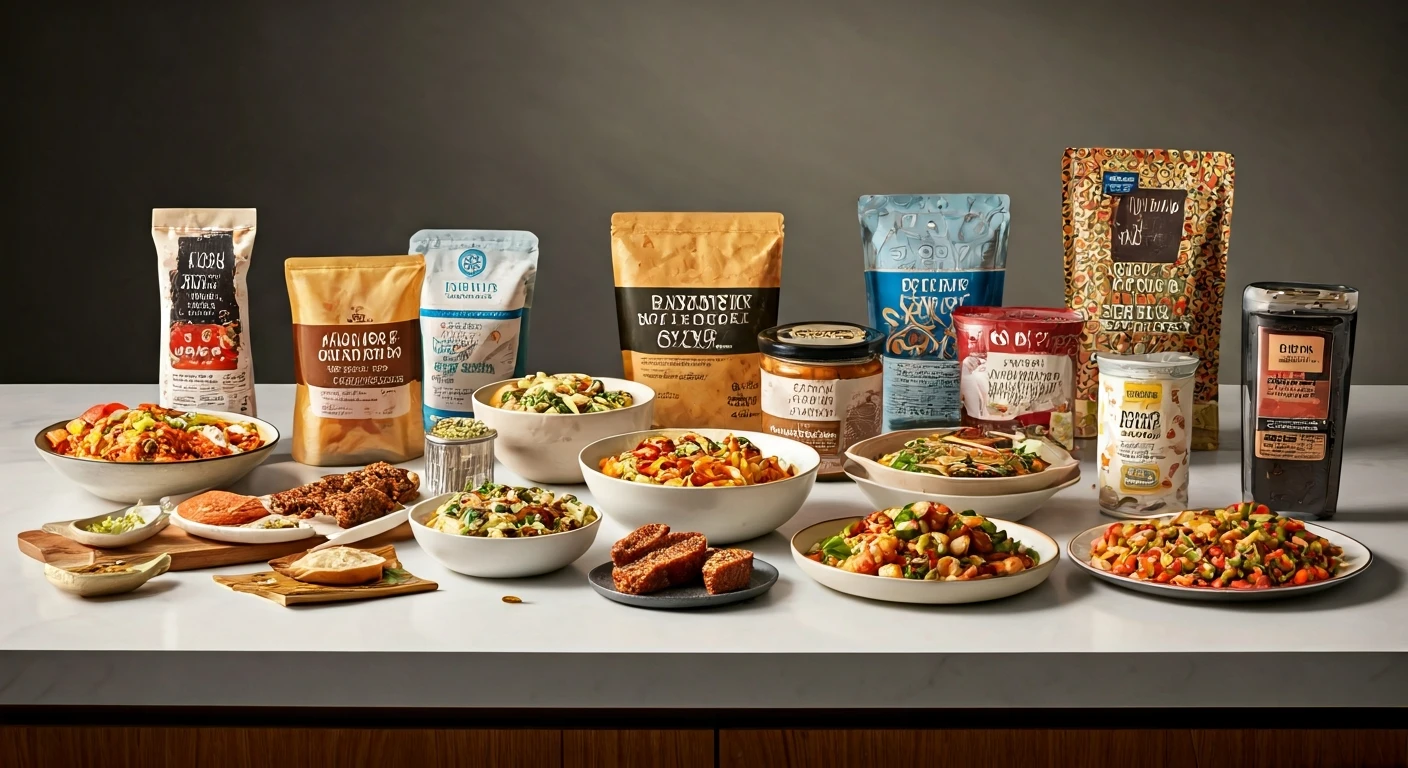
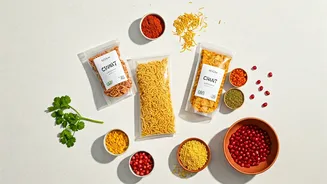
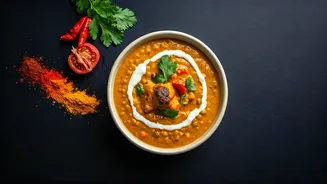
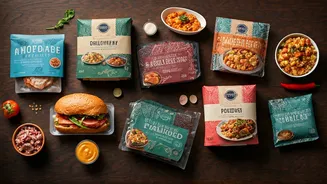
The result is a full-scale design revolution. Brands like Deep Indian Kitchen (formerly Tandoor Chef) undertook a massive rebranding, swapping dated imagery for a look that evokes the feeling of a modern Indian restaurant. Their boxes now feature bright, joyful colors, captivating stories about their family recipes, and food styling that makes you want to reach through the freezer door. The name change itself—from a specific cooking method to a broader, more immersive cultural identity—was a masterstroke. Other brands, like Saffron Road, have long leaned into a clean, premium aesthetic, positioning their halal-certified meals as a high-quality, globally-inspired option for the health-conscious consumer. Newer, direct-to-consumer companies are pushing the envelope even further with minimalist, elegantly designed meal kits that feel more like a lifestyle subscription box than a quick weeknight meal. The unifying theme is a move away from apology and toward celebration.
More Than Just a Pretty Box
This transformation isn’t just cosmetic. To justify the premium packaging and higher price points, companies are also upgrading what’s inside. The new wave of Indian ready meals often emphasizes cleaner ingredient lists, non-GMO certifications, and a focus on regional specificity. Instead of a generic “chicken curry,” you might now find a Malabar Chicken Curry or a Goan Vindaloo, educating the consumer while offering more nuanced flavors. Brands are ditching artificial preservatives and hard-to-pronounce additives, aligning themselves with the broader wellness trend that dominates the modern food landscape. They are investing in production techniques that better preserve the texture and freshness of the ingredients, aiming to close the gap between a home-cooked meal and a ready-made one. The goal is to prove that convenience doesn't have to mean compromise, either in taste or in quality.