




The Heartbeat of the Festival: Bihu
To understand Assamese festive food, you must first understand Bihu. This set of three seasonal festivals, celebrating different phases of the agricultural calendar, is the cultural cornerstone of the state. The most vibrant, Rongali Bihu, marks the Assamese New
Year in April and the arrival of spring. It's a time of joyous celebration, where folk songs echo through villages and the air is thick with the scent of incredible food. During Bihu, kitchens become the heart of the home, bustling with activity as generations come together to prepare dishes passed down through memory. It’s here that the 'delicious' and 'aesthetic' claims of the headline come to life, not as a performance for tourists, but as an authentic expression of gratitude and community.
The Art of the Pitha
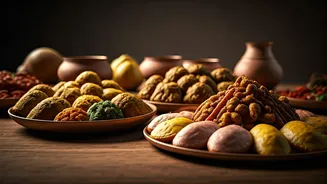
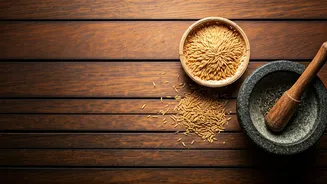
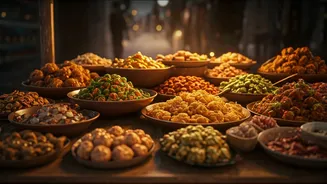
No Bihu celebration is complete without *pithas*. These are not simply rice cakes; they are intricate, handcrafted expressions of love and festivity. Imagine delicate, thin crepes made from ground rice, rolled around a sweet filling of toasted sesame seeds and jaggery—that's *til pitha*. Picture fluffy, deep-fried rice flour doughnuts sweetened with molasses, known as *ghila pitha*. The creation of these treats is often a communal affair, with women gathering to grind the rice, prepare the fillings, and skillfully shape each one. The beauty is in the details: the perfect cylinder of a *til pitha*, the golden-brown puff of a *ghila pitha*, or the coconut-stuffed crescent of a *narikolor pitha*. They are simple, elegant, and profoundly satisfying.
A Symphony on a Plate: The Festive Thali
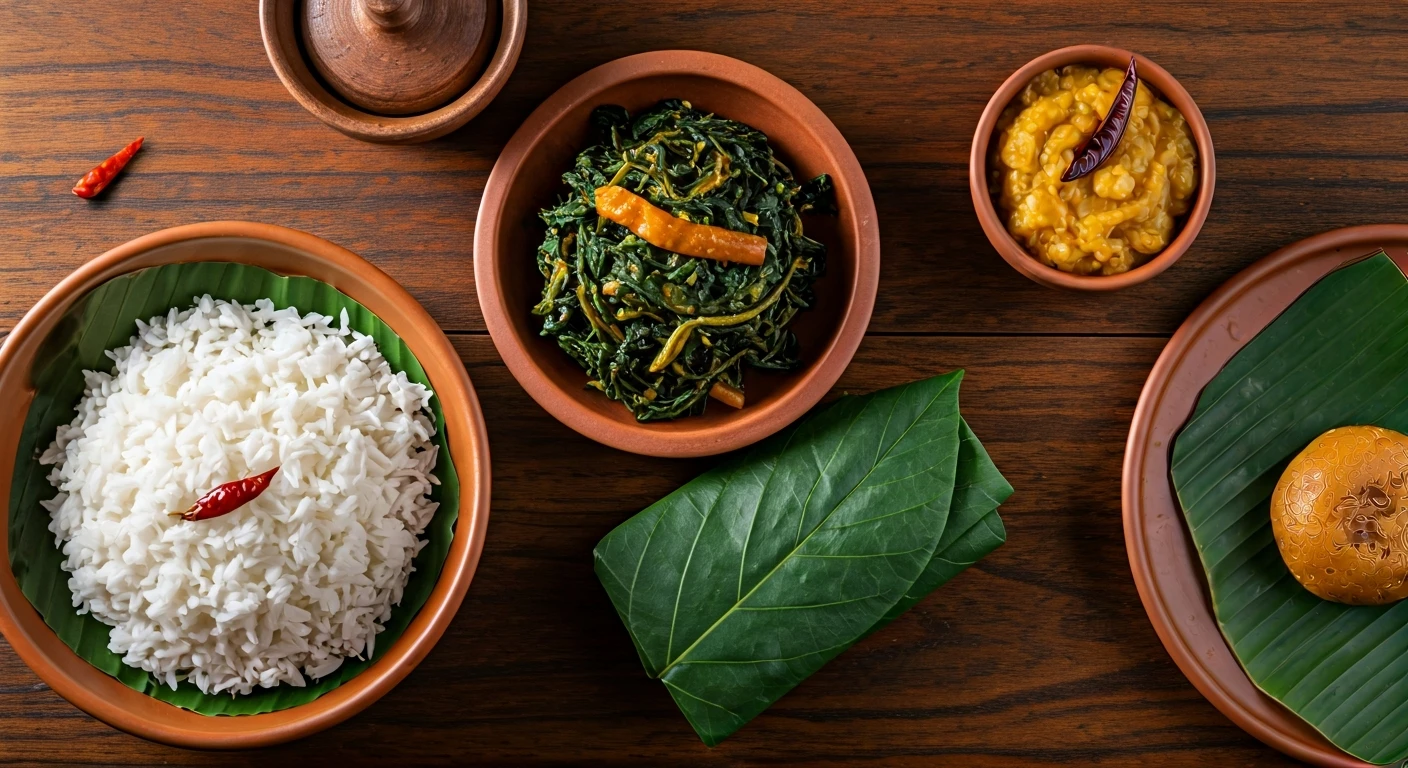
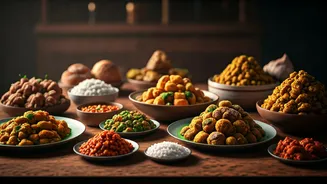
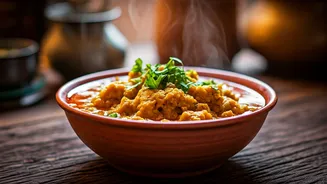
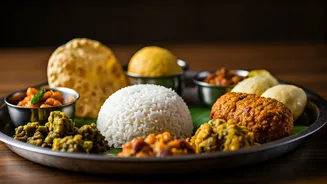
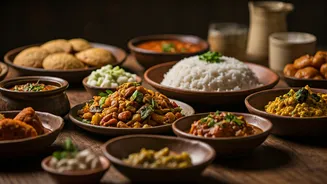
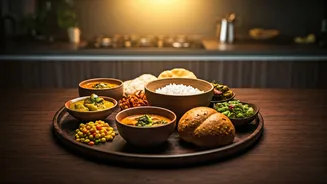
While pithas are the quintessential snack, the main festive meal is a spectacular affair. An Assamese thali (a platter with a selection of dishes) is a masterclass in balanced flavors. It’s built around a mound of fragrant Joha rice and features a variety of preparations that highlight the region’s unique ingredients. A star is often *masor tenga*, a light, tangy fish curry made with tomatoes or elephant apple that cuts through the richness of other dishes. Another delicacy is duck meat, often cooked with ash gourd (*kumura*) or winter melon, a rich and deeply flavorful dish reserved for special occasions. Alongside these are various greens (*xaak*), lentils (*dal*), and a signature preparation called *khar*—an alkaline dish made using the peels of a specific banana variety, which cleanses the palate and gives Assamese cuisine its distinct identity. The entire meal is a journey of textures and tastes, from sour and savory to subtly sweet.
Beauty in Simplicity and Tradition
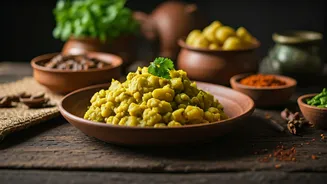
The 'aesthetic' quality of Assamese food isn't about modernist plating or foams. It’s about a rustic, earthy elegance. Meals are traditionally served on bell metal plates and bowls (*kahor bati*), which have a beautiful, muted sheen and are believed to have health benefits. For larger feasts, fresh green banana leaves are used as plates, their vibrant color making the food pop. The beauty comes from the natural colors of the ingredients: the deep red of a tomato-based curry, the bright yellow of turmeric-infused dal, the dark green of sautéed fiddlehead ferns. This presentation style connects the food directly to nature, reinforcing a core tenet of Assamese culture—a deep and abiding respect for the land that provides such bounty.