


The Science of Natural Serenity
This feeling isn’t just in your head—it’s in your biology. The concept is called “biophilia,” the idea that humans have an innate tendency to seek connections with nature. When we bring elements of the natural world indoors, we’re satisfying a deep-seated
psychological need. Studies have shown that even looking at images of nature can lower heart rate, blood pressure, and cortisol (the stress hormone) levels. Natural materials provide a specific kind of visual information that our brains find restorative. Unlike a blank, painted wall, the grain of a wood table or the veined pattern of a leaf offers what psychologists call “soft fascination.” It holds our attention effortlessly, allowing our minds to wander and recharge without feeling drained. This gentle stimulation helps reduce mental fatigue and promotes a sense of well-being, making your living room feel less like a box and more like a peaceful refuge.
Working with Wood
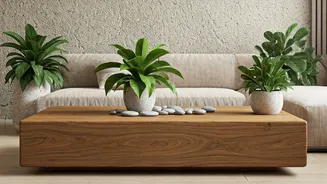
Incorporating wood doesn’t mean you need to build a log cabin. The goal is to introduce natural textures and warmth. Start by looking at your furniture. A solid oak dining table, a walnut coffee table, or even a simple pine bookshelf can serve as an anchor piece that grounds the entire room. Pay attention to the finish. A matte or oil finish that lets the natural grain show through often has a more calming effect than a high-gloss, reflective surface. But you can also think smaller. A collection of acacia wood salad bowls on an open shelf, a teak bath mat, or a large raw-edge cutting board leaning against your kitchen backsplash can provide that same organic touch. Don't be afraid to mix different woods, just as you'd see a variety of trees in a forest. A light maple floor can pair beautifully with darker cherry or walnut accents, creating a layered, sophisticated look that feels both intentional and effortlessly natural.
The Power of Living Greenery
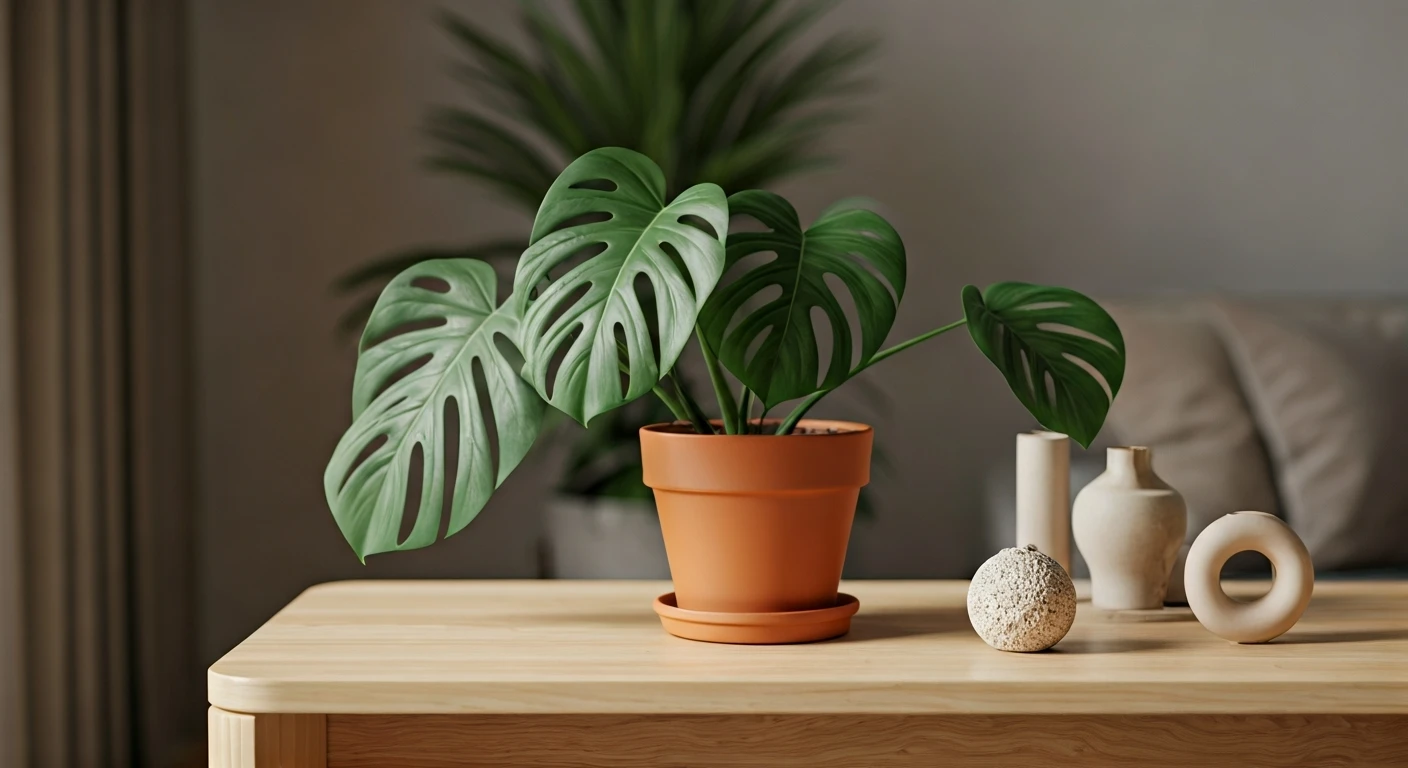
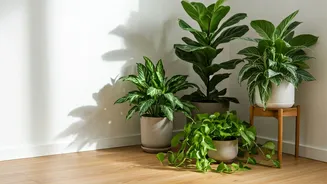
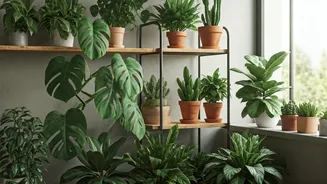
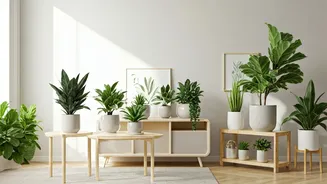
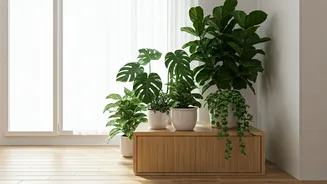
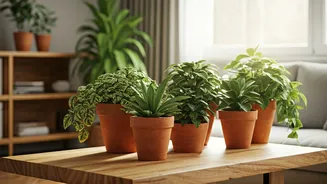
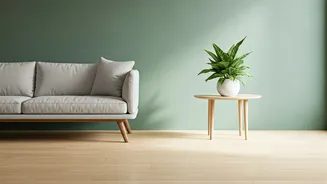
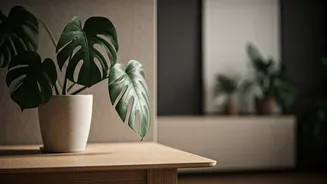
Plants are the most dynamic way to bring life into a space. They don’t just sit there; they grow, change, and literally breathe alongside you. Beyond their well-known air-purifying qualities, plants can make a room feel fresher by increasing humidity slightly. The visual benefits are just as important. The vibrant green color is inherently restful for our eyes, and the organic, unpredictable shapes of leaves and stems provide a welcome contrast to the hard lines and right angles of a typical room. To get started, choose plants that fit your lifestyle and your home’s conditions. If you're a beginner or have low light, you can't go wrong with a snake plant or a ZZ plant—both are famously resilient. For a sunny spot, a lush bird of paradise or a classic fiddle-leaf fig can make a dramatic statement. Don’t just put them in a corner; integrate them. Let a pothos trail down from a bookshelf, place a small succulent on your desk, or hang a fern in your bathroom where it will love the steam. Varying the size, shape, and placement of plants makes the effect feel more immersive and organic.
Beyond the Basics: Other Natural Touches
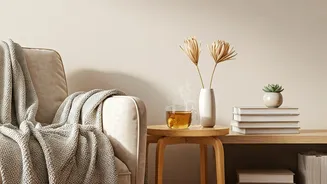
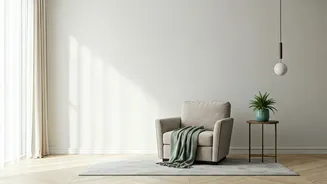
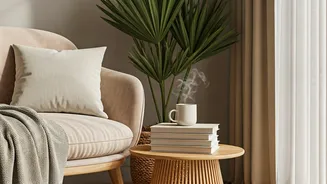
Wood and plants are the superstars, but you can enhance their calming effect with other natural materials. Think about textiles. Swap out synthetic fabrics for linen curtains, a wool throw blanket, or jute area rug. These materials have a subtle texture and visual depth that complements wood and greenery. Natural stone can also play a role. A marble coaster, a slate cheeseboard, or a collection of smooth river rocks in a glass vase can add a cool, earthy element. Finally, consider the sensory experience. A natural-scented candle (like pine, cedar, or sandalwood), a small tabletop fountain for gentle water sounds, or simply opening a window to let in a fresh breeze can complete the transformation. The idea is to create a multi-sensory environment that gently reminds your brain of the peaceful complexity of the great outdoors.