



From Kibble to Culinary
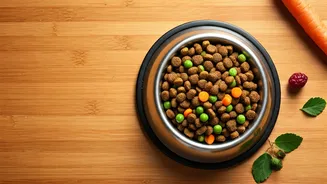
Walk down the pet food aisle—or more accurately, scroll through your social media feed—and you’ll see it. The world of what we feed our dogs and cats is undergoing a gourmet revolution. Where once the choice was simply 'chicken or beef?' in a dry, pelletized
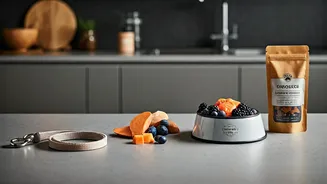
form, today’s pet parents are faced with a dizzying array of options that sound like they belong on a menu at a farm-to-table bistro. We're talking fresh-cooked, human-grade meats and vegetables, delivered in pre-portioned subscription boxes. We're talking frozen raw patties, air-dried venison, and supplements boasting probiotics and omega-3s. The humble bowl of kibble is being challenged by a new ideal: a plate of food that looks, smells, and is marketed just like the health-conscious food we aspire to eat ourselves. This isn't just a niche market for the ultra-wealthy anymore; it’s a mainstream movement reshaping a multi-billion-dollar industry.
The Humanization of Pets
So, why the sudden shift from chow to cuisine? The answer lies in a phenomenon sociologists call “pet humanization.” For a growing number of Americans, particularly Millennials and Gen Z, pets aren’t just animals; they're family members. They are “fur babies,” companions who sleep in our beds, star in our Instagram posts, and provide profound emotional support. As our relationships with them have deepened, so has our sense of responsibility for their well-being. This emotional shift is the primary engine driving the premium food trend. We project our own wellness values onto them. If we’re striving to eat clean, avoid processed foods, and read ingredient labels, it feels natural, almost necessary, to do the same for the furry creature we love. The purchase of premium pet food is often less about the nutritional science and more about an emotional transaction—an act of love and care made tangible.
What’s On The Premium Menu?
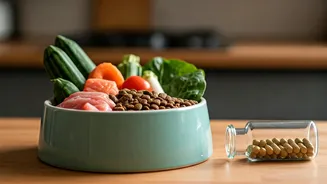
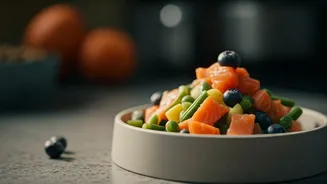
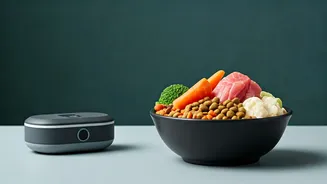
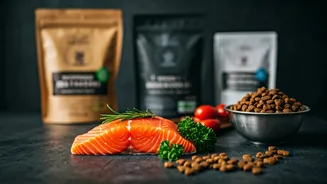
The “premium” label covers a wide territory. At one end are the fresh food subscription services like The Farmer's Dog and Ollie, which deliver refrigerated, pre-portioned meals made from USDA-certified meats and vegetables. These companies lean heavily on the appeal of transparency and quality, showing off colorful, textured food that looks good enough for a person to eat. Then there's the raw food diet, often called BARF (Biologically Appropriate Raw Food), which involves feeding pets uncooked meat, bones, and organs. Proponents argue it’s closer to what their canine and feline ancestors ate, while critics and many vets raise concerns about bacterial contamination and nutritional imbalances. Beyond these, you'll find an explosion in “limited ingredient” diets for pets with allergies, grain-free formulas (a category that has faced scrutiny), and dehydrated or freeze-dried foods that offer the convenience of kibble with the perceived benefits of a less-processed product.
A Veterinarian Weighs In
Amid all the marketing and heartfelt intentions, it’s crucial to consider the expert opinion. What do veterinarians think? The consensus is cautious. While vets applaud owners’ increased focus on their pets’ health, they stress that “human-grade” doesn’t automatically mean “better.” The most important factor, according to groups like the American Veterinary Medical Association (AVMA), is that a diet be “complete and balanced” for the pet’s specific life stage, a standard that reputable commercial kibbles are formulated to meet through rigorous testing. Many boutique and fresh-food diets, while well-intentioned, may not have undergone the same level of scientific scrutiny. Vets often express concern over the risk of nutritional deficiencies in homemade or raw diets and the potential for bacterial pathogens. The advice is almost always the same: before making a major dietary switch, talk to your vet. They can help you navigate the hype and choose a food that is backed by science, not just a compelling marketing story.