


Turmeric: The Original Anti-Inflammatory
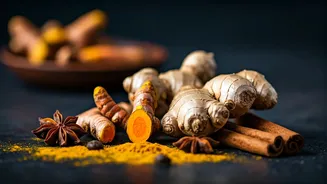
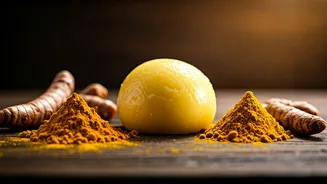
Long before turmeric lattes became a staple in trendy cafes, this vibrant yellow spice was the cornerstone of Indian cooking and Ayurvedic medicine. Its power player is curcumin, a compound with potent anti-inflammatory and antioxidant properties. While
Western diets often focus on treating inflammation after the fact, the Indian approach has been to incorporate anti-inflammatory foods like turmeric into daily meals. Studies suggest curcumin may help manage inflammation, improve brain function, and lower the risk of heart disease. So, while a sprinkle in your latte is nice, the real magic happens when it's a regular in your curries, dals, and roasted vegetables, often paired with black pepper to enhance absorption.
Ghee: The Misunderstood Healthy Fat
For years, Western dietary advice shunned fat, leading to a boom in processed, low-fat products. Meanwhile, ghee—clarified butter with the milk solids removed—remained a cherished fat in Indian households. Ghee is rich in fat-soluble vitamins (A, E, and K) and butyric acid, a short-chain fatty acid that can support gut health. Because its milk proteins are removed, it's often tolerable for those with lactose sensitivities. With a high smoke point, it’s a superior choice for high-heat cooking compared to olive oil or butter, which can break down and release free radicals. It’s a delicious, nutty-flavored fat that’s making a comeback as people realize not all fats are created equal.
Amla: The Vitamin C Powerhouse
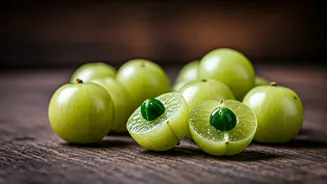
Forget oranges and exotic berries for a moment. The humble amla, or Indian gooseberry, is one of the most potent sources of Vitamin C on the planet. A single small amla can contain as much Vitamin C as 20 oranges. Traditionally, it's been used to boost immunity, improve skin and hair health, and aid digestion. This small, sour fruit is a true antioxidant superstar, helping to protect cells from oxidative stress. In the U.S., you're most likely to find it as a powder or in juice form. It provides a compelling, whole-food alternative to synthetic Vitamin C supplements and trendy, expensive berry powders.
Ashwagandha: The Modern Stress-Buster
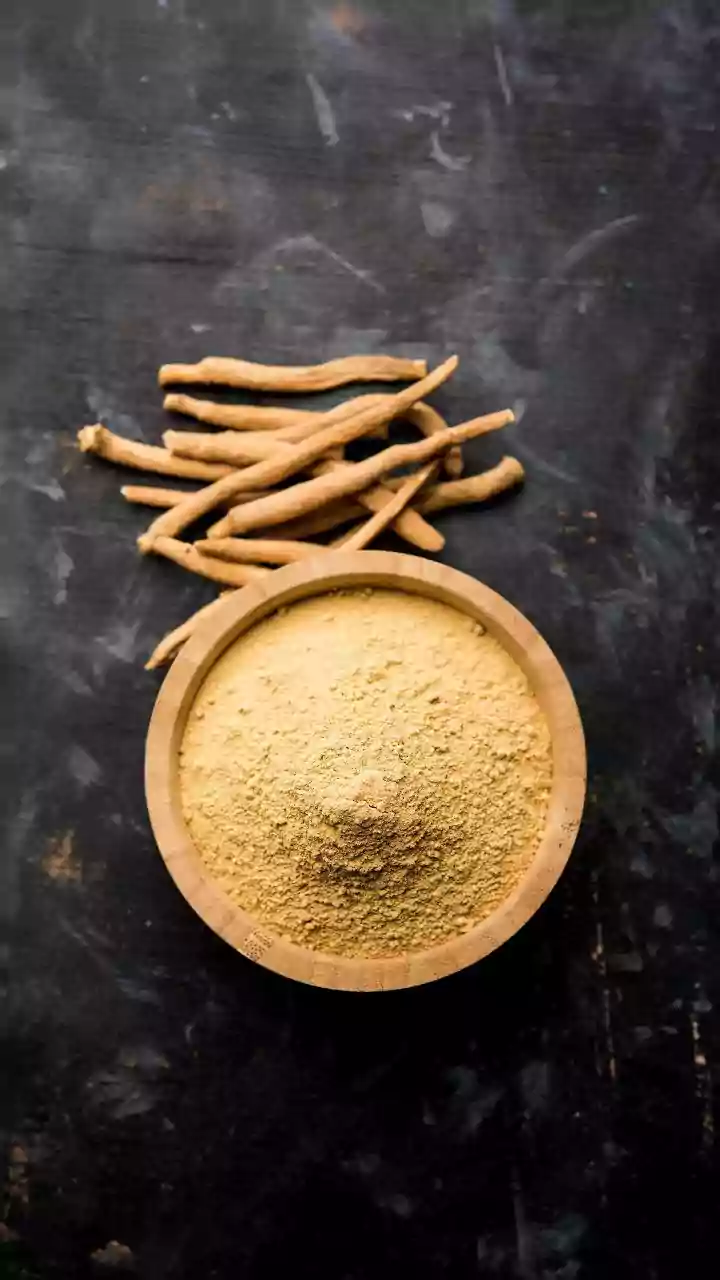
In a world obsessed with managing stress, ashwagandha has emerged from ancient Ayurvedic texts as a true hero. It’s an adaptogen, a class of herbs that help the body 'adapt' to physical and mental stress. Instead of just masking symptoms, it's thought to help regulate the body's stress response system, primarily by moderating cortisol levels. While Western wellness might reach for a calming app or a CBD gummy, ashwagandha offers a botanical path to resilience that has been refined over thousands of years. It’s now widely available in capsules and powders, finding its way into smoothies and teas for those seeking a more balanced state of mind.
Moringa: The True All-in-One Green
If kale is the king of Western greens, moringa is the emperor you’ve never heard of. Often called the 'drumstick tree,' nearly every part of the moringa plant is edible and packed with nutrients. The leaves are a nutritional powerhouse, containing significant amounts of protein, Vitamin B6, Vitamin C, iron, and riboflavin. It stands out by providing a complete protein with all nine essential amino acids, which is rare for a plant. Instead of cycling through spinach, chard, and kale, moringa offers a single, potent green powder that can be added to almost anything, from smoothies to soups, providing a broader spectrum of nutrients in one go.