
Think in Layers, Not Just Lamps
The single, harsh overhead light in the center of a room is a design sin. It creates unflattering shadows and makes a space feel flat and unwelcoming. Professional designers build atmosphere by layering light, and you can too. Think of your lighting plan
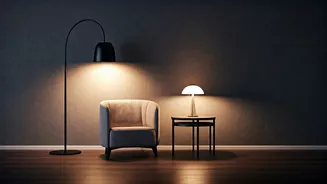
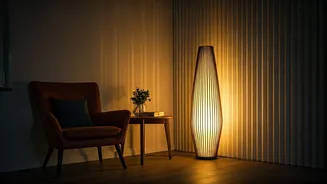
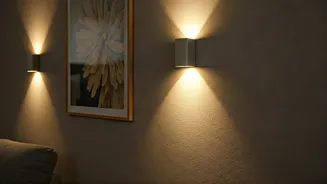
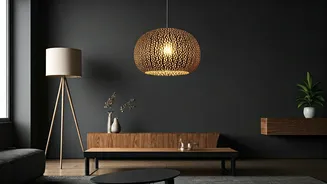
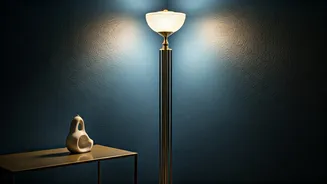
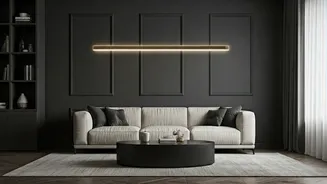
as having three essential components. First is ambient light: the general, overall illumination that lets you navigate the room safely, often from a ceiling fixture, recessed lights, or large floor lamp. Second is task lighting: focused light for specific activities like reading, cooking, or working. This could be a desk lamp, under-cabinet lights in the kitchen, or a reading lamp by a chair. Finally, there's accent light: the jewelry of the room. This is light that draws attention to features you love, like a piece of art, a textured wall, or a beautiful plant. A simple, adjustable spotlight can transform a generic print into a gallery-worthy feature. By combining these three layers, you create depth, interest, and flexibility, allowing you to change the mood of the room with the flip of a few switches.
Set the Mood with Temperature
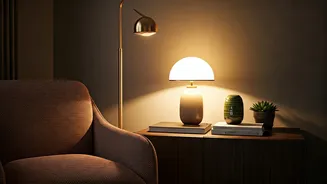
Not all light is created equal. The color of the light itself, known as color temperature and measured in Kelvins (K), has a massive psychological impact. It’s the reason a hospital waiting room feels different from a cozy bistro. For living spaces like bedrooms and living rooms where you want to relax, stick to warm light, typically in the 2700K to 3000K range. This is the golden, inviting glow we associate with traditional incandescent bulbs and candlelight. It’s flattering to skin tones and promotes a sense of calm. For functional areas like kitchens, home offices, and bathrooms, you can go slightly cooler, around 3500K to 4000K. This whiter, more neutral light is better for task visibility and creates a more alert, energetic feeling. Avoid anything above 5000K for home use, as it can feel sterile and clinical, like an office park. The best part? Most LED bulbs now list the Kelvin rating right on the box, making it easy to choose the right mood for every room without spending a fortune.
Placement Changes Everything
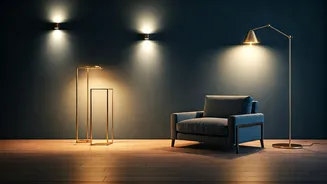
Where you put your lights is just as important as the fixtures themselves. Strategic placement can solve a host of design problems. Have a small, dark room? Don’t just rely on a ceiling light that pools light in the center. Instead, place lamps or uplights in the corners. This technique, called wall-washing, pushes light onto the walls and ceiling, making the boundaries of the room seem to recede and creating an illusion of more space. Use mirrors to your advantage by placing a lamp where its light will bounce off the mirror, effectively doubling your light source and scattering brightness around the room. In a long hallway, a series of small, low-wattage wall sconces can create a beautiful rhythm and sense of direction, far more elegant than a single overhead fixture. The key is to think about guiding the eye and highlighting the room's best features while downplaying its flaws.
High-Impact, Low-Budget Tricks
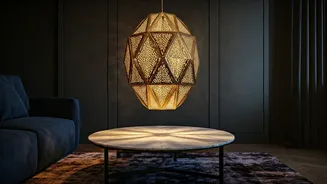
You don’t need a custom lighting designer to achieve a high-end look. Start with dimmers. They are the single most effective and affordable upgrade for any light fixture. A dimmer switch gives you complete control over the ambient light level, allowing you to go from bright and functional to soft and atmospheric instantly. Next, embrace smart bulbs. For a relatively small investment, you can control the brightness and even the color temperature of your lights from your phone, setting schedules and creating custom “scenes” for movie nights or dinner parties. If you're renting and can't change fixtures, focus on portable solutions. A stylish plug-in sconce can add task lighting by a bed or sofa without any wiring. An inexpensive uplight placed behind a large plant can create dramatic shadows and a stunning focal point. Even something as simple as changing out a heavy, dark lampshade for a lighter, more translucent one can completely transform the quality of light in your room.