

The Tyranny of the Buffet Menu
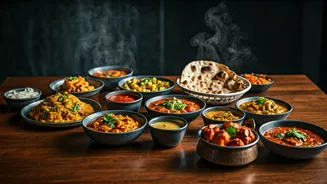
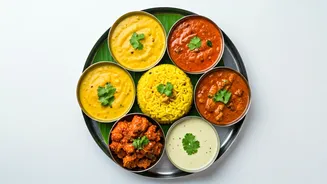
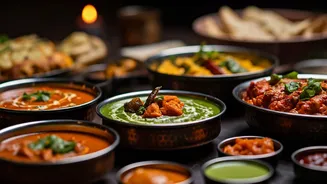
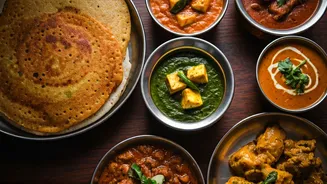
Walk into a thousand different Indian restaurants across the United States, and you might feel like you’ve entered the same one. The menu is a greatest-hits collection that rarely changes: samosas, chicken tikka masala, saag paneer, dal makhani, and garlic
naan. While delicious, this menu represents a tiny, specific sliver of Indian cuisine—mostly rooted in Punjabi flavors, often sweetened and toned down for a Western palate during its journey through the United Kingdom. This wasn't a conspiracy; it was a business decision. Early Indian restaurateurs, often immigrants with limited capital, found a formula that worked. It was safe, recognizable, and popular. This standardization created a single “regional mood”—a comforting but ultimately monolithic brand that flattened a subcontinent's worth of culinary diversity into a handful of popular dishes.
The New Wave of 'Unapologetic' Cooking
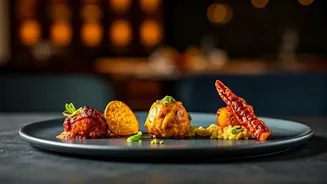
So what changed? A new generation of chefs, many of them second-generation Indian Americans, grew tired of the caricature. They grew up eating complex, hyper-regional dishes at home that bore little resemblance to what was served in their family’s or neighborhood’s restaurant. As diners became more adventurous, these chefs saw an opening. Groups like Unapologetic Foods, led by Roni Mazumdar and chef Chintan Pandya, became evangelists for this new approach. Their New York restaurants, like Dhamaka (which celebrates rural, “forgotten” Indian food) and Semma (which earned a Michelin star for its deep dive into Southern Indian heritage cooking), threw out the old rulebook. They refused to dial down the spice or apologize for unfamiliar ingredients. The gamble paid off, sparking a nationwide trend. Diners, it turned out, were not just ready for it; they were hungry for it.
A Journey Across India’s Kitchens
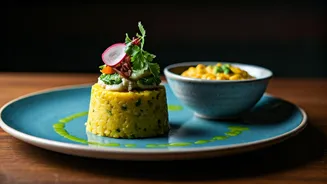
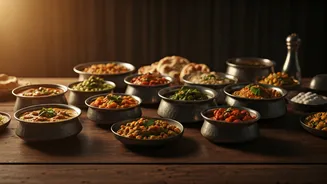
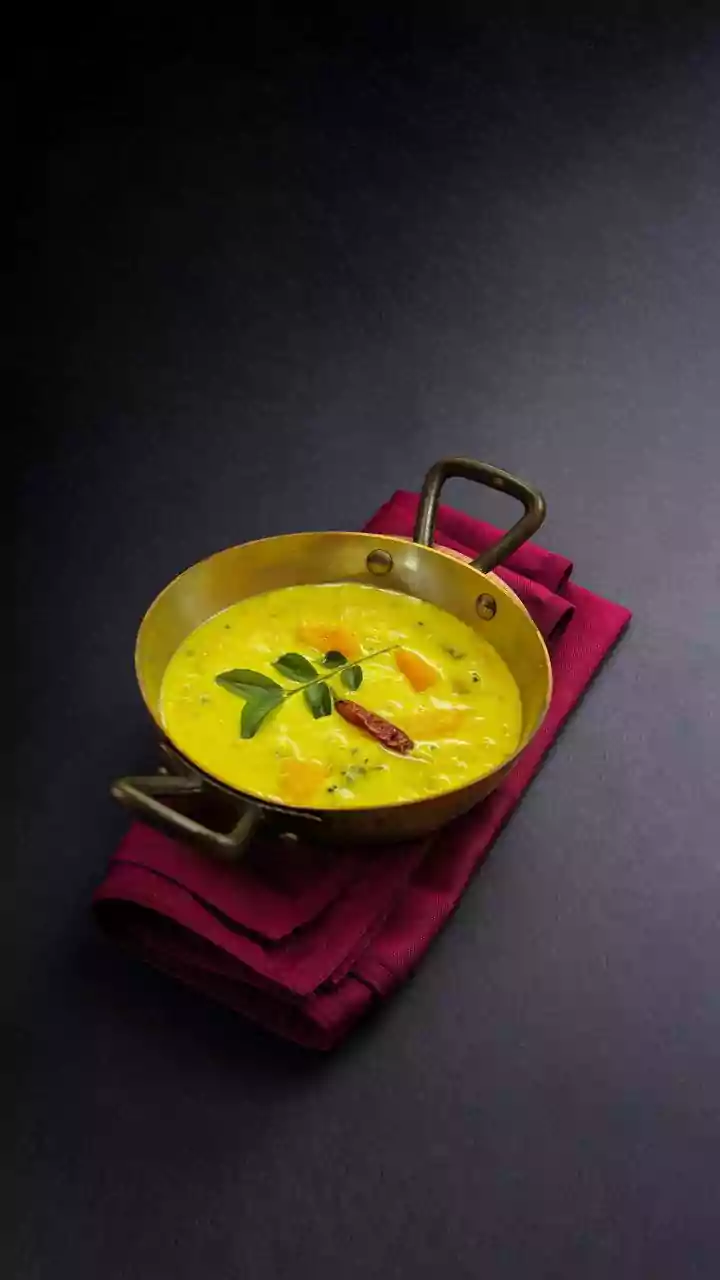
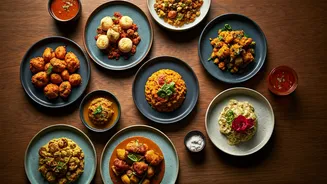
This new movement is about replacing the generic with the specific. It’s a delicious geography lesson on a plate. Instead of just “curry,” diners are discovering the distinct culinary identities of India’s states. Think of the food of Goa, with its Portuguese-influenced seafood dishes, rich with coconut vinegar and peri-peri spice. Or the cuisine of Kerala, further down the coast, where everything from fish to beef is cooked in fragrant coconut milk and laced with black pepper and curry leaves. Move east, and you find the sharp, pungent flavors of Bengal, where mustard oil is king and freshwater fish is an art form. Head west to Gujarat, a paradise of complex vegetarian thalis featuring dozens of small, distinct dishes that play with sweet, sour, and savory notes. Each region offers a unique pantry of ingredients and a distinct culinary philosophy, a “mood” entirely its own.
More Than a Meal, It's an Identity
This shift is about more than just discovering new flavors. For the chefs and restaurateurs driving it, serving regional food is an act of cultural reclamation. It’s a confident assertion of identity, a declaration that their heritage doesn’t need to be diluted to be appreciated. For diners, particularly those from the Indian diaspora, it’s a chance to see their specific family histories and hometown flavors celebrated on a grand stage, often for the first time. Eating at these restaurants is an immersive experience. Menus often come with glossaries and stories, explaining the origin of a dish or the significance of a particular cooking technique. It transforms the meal from a simple transaction into an act of cultural discovery. The message is clear: this food has a story, and it's worth listening to.