








The Problem With Gimmicks
Let’s be honest: the reason most metabolism boosters fail is that they’re trying to trick your body into burning a few extra calories. A spicy drink might slightly and temporarily increase your heart rate, and a cold plunge might make you shiver, but
these are fleeting effects. They don't change the fundamental mechanics of your body's energy expenditure. They’re like trying to make your car more fuel-efficient by occasionally coasting downhill. It feels like you’re doing something, but you haven't actually upgraded the engine. The wellness industry profits from this cycle of hope and disappointment, selling temporary fixes that require no real investment but offer no lasting return. The 'hack' culture promises results without effort, a concept that simply doesn't apply to human physiology in any meaningful way. This is where strength training fundamentally differs; it’s not a trick, it's a renovation.
Meet Your Metabolic Engine: Muscle
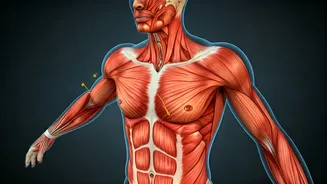
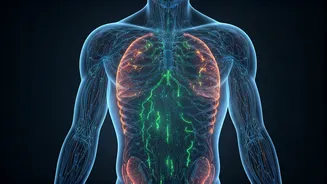
Your metabolism, or Basal Metabolic Rate (BMR), is the number of calories your body burns at rest just to keep the lights on—powering your brain, heart, and lungs. The single biggest factor you can control that influences your BMR is how much lean muscle mass you carry. A pound of muscle is metabolically active tissue; it requires calories to exist, even when you're watching TV. A pound of fat, in contrast, is primarily storage and burns very few calories. Every time you engage in strength training, you're creating tiny micro-tears in your muscle fibers. As your body repairs and rebuilds these fibers, it makes them slightly stronger and denser. Over time, this process adds lean muscle to your frame. By adding just a few pounds of muscle, you are permanently increasing your body's daily energy requirement. You’re not just burning calories during your workout; you’re turning up your body’s thermostat 24/7.
The Afterburn Is Real
Cardio is great for heart health and burns a significant number of calories while you’re doing it. But once you step off the treadmill, the calorie burn drops off relatively quickly. Strength training offers a powerful bonus known as Excess Post-exercise Oxygen Consumption, or EPOC. It’s a fancy term for the 'afterburn' effect. A challenging lifting session puts your body under significant stress. After you're done, your body has a long to-do list: it needs to replenish its energy stores, repair damaged muscle tissue, and bring your hormones and core temperature back to baseline. All of these recovery processes require oxygen and energy (i.e., calories). This elevated metabolic rate can persist for up to 24-48 hours after your workout is over, meaning you’re still burning extra calories long after you've left the gym. It’s the workout that keeps on giving.
More Than Just Burning Calories
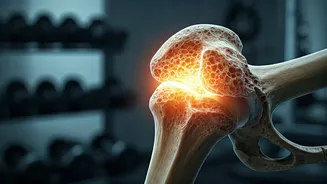
A faster metabolism isn't just about fitting into your jeans. Strength training has profound effects on your body's hormonal and metabolic health. Building muscle improves your insulin sensitivity. This means your body becomes much more efficient at managing blood sugar. When you eat carbohydrates, your body can more effectively shuttle that glucose into your muscle cells for storage and energy, rather than letting it linger in your bloodstream where it can eventually be stored as fat. This improved glucose control is crucial for staving off metabolic conditions like type 2 diabetes. Furthermore, resistance training triggers the release of beneficial hormones, can improve sleep quality, and builds bone density—all of which contribute to a healthier, more resilient body. It’s a holistic upgrade, not a one-dimensional calorie burn.