




Treat Your Scalp Like Your Skin
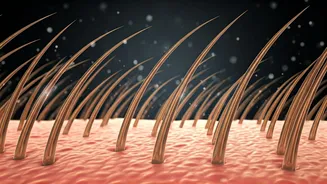
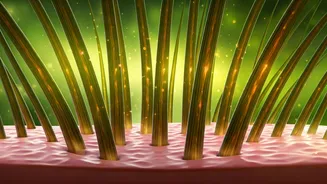
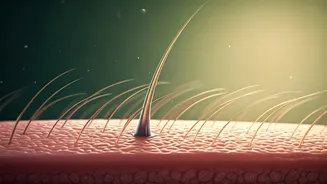
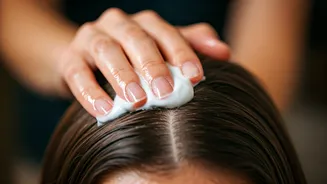
The single biggest shift dermatologists recommend is to stop thinking about your hair and start thinking about your scalp. The scalp is skin, complete with follicles that function as the 'soil' from which your hair grows. A healthy, clean, and balanced
scalp environment is the non-negotiable foundation for producing strong, healthy hair. An inflamed, clogged, or dry scalp can lead to weaker growth, flaking, and even hair shedding. This means cleansing properly, managing conditions like dandruff with targeted ingredients (like ketoconazole or zinc pyrithione), and gently exfoliating to remove product buildup and dead skin cells. Think of it as skincare for your head.
Wash Based on Your Oil Production
The debate over how often to wash your hair is endless, but dermatologists offer a simple diagnostic: wash as often as your scalp needs it. If you have an oily scalp, daily washing might be necessary to prevent buildup and inflammation. Sebum, the oil produced by your scalp, is a food source for yeast that can cause dandruff and irritation. For those with drier scalps and hair, washing every few days may be sufficient. The American Academy of Dermatology suggests focusing shampoo on the scalp, where the oil and dirt accumulate. When you rinse, the suds will run down and clean the lengths of your hair without aggressively stripping them.
Don't Skip Sun Protection
You wouldn't spend a day at the beach without putting sunscreen on your face, and your scalp deserves the same attention. Your scalp is highly susceptible to sun damage, which can lead to skin cancer and also damage hair follicles. UV radiation can also degrade the hair shaft itself, making it brittle, discolored, and weak. Dermatologists recommend wearing a wide-brimmed hat for primary protection. If that’s not an option, use a spray-on sunscreen formulated for hair and scalp, or part your hair differently throughout the day to avoid burning one specific area.
Reduce High-Heat Styling
Frequent use of high-heat tools—like flat irons, curling wands, and blow dryers on their hottest setting—is one of the most common causes of preventable hair damage. Extreme heat creates tiny bubbles inside the hair shaft, which can crack the cuticle, leading to breakage, frizz, and split ends. This is known as 'bubble hair.' When you do use heat, dermatologists insist on applying a heat protectant spray first. This creates a barrier that helps distribute heat more evenly and reduces the rate at which your hair heats up, minimizing damage. Whenever possible, let your hair air-dry or use your blow dryer on a low-heat, low-speed setting.
Handle Wet Hair with Extreme Care
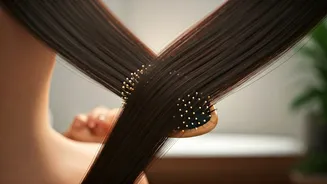
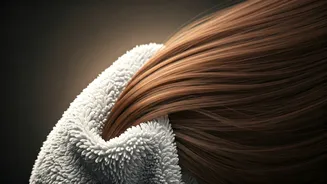
Hair is at its most fragile when it's wet. The protein structure is temporarily weakened, making it highly susceptible to stretching and snapping. The common practice of vigorously rubbing hair with a coarse cotton towel is a recipe for frizz and breakage. Instead, gently squeeze or blot excess water with a soft microfiber towel or even an old t-shirt. When it comes to detangling, never rip a brush through wet hair. Use a wide-tooth comb, start from the ends, and patiently work your way up to the roots. Applying a leave-in conditioner can provide slip and make the process much smoother and less damaging.
Fuel Your Follicles from Within
While topical products can improve the appearance of hair, you can't build strong strands without the right internal building blocks. A balanced diet rich in protein, vitamins, and minerals is crucial for hair follicle function. Dermatologists often check for deficiencies in iron, zinc, vitamin D, and biotin in patients experiencing hair thinning. Ensure your diet includes plenty of lean protein (hair is made of keratin, a protein), iron-rich foods like spinach and red meat, and healthy fats from sources like avocados and nuts. If you're concerned about nutritional gaps, speak with a doctor before starting supplements, as over-supplementing can sometimes be counterproductive.