

More Than Just Dirt
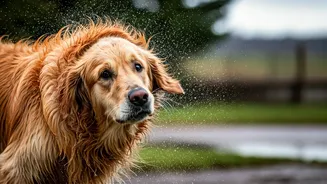
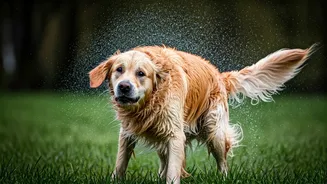
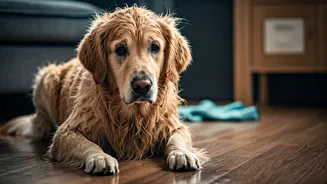
That layer of mud caked onto your dog’s paws and underbelly isn’t just soil and water. It’s a mixture of dirt, debris, bacteria, and potentially harmful substances from lawns and streets. When your dog’s fur stays damp and dirty for an extended period,
it creates a perfect breeding ground for problems. The moisture becomes trapped against the skin, compromising its natural protective barrier. What starts as a simple muddy walk can quickly evolve into a more serious health concern if left unaddressed. It’s easy to think a dog’s coat is tough, but the skin underneath is sensitive. The constant dampness can lead to irritation and inflammation before you even notice a visible issue, turning a simple grooming task into a necessary preventative measure.
The Hidden Health Risks of Neglect
The most significant danger of a perpetually damp and dirty coat is the development of skin conditions. Acute moist dermatitis, commonly known as “hot spots,” can appear seemingly overnight. These are angry, red, and painful areas of infected skin that can be incredibly distressing for your pet. Trapped moisture also encourages the growth of yeast and fungi, leading to smelly, itchy infections that often require veterinary intervention. Furthermore, as wet, dirty fur begins to dry, it can clump and form painful mats. These aren't just cosmetic tangles; mats pull tightly on the skin, causing constant pain, restricting blood flow, and creating a hidden environment where parasites like fleas and ticks can thrive undetected. In severe cases, mats become so tight that they must be professionally shaved, a stressful experience for any dog.
Your At-Home Grooming Game Plan
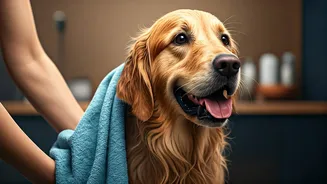
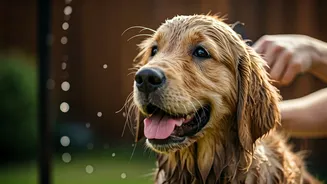
Tackling mud and rain doesn’t have to be an ordeal. The key is to have a routine and the right tools ready by the door. A simple, effective setup can make all the difference. Start with a designated “mud zone” near the entrance, covered with old towels or a washable mat. Essential tools include: - A pile of highly absorbent microfiber towels specifically for your dog. - A portable paw washer or a simple shallow tub of water for rinsing feet before they cross the threshold. - A gentle, dog-specific shampoo for more extensive cleanups. Human shampoos strip essential oils from a dog’s skin. - A slicker brush and a metal comb. Once the dog is mostly dry, a thorough brushing is crucial. This helps remove any remaining debris, separates the hairs, and prevents mats from forming as the coat fully dries. Brushing also stimulates circulation and distributes natural oils, keeping the coat healthy.
When to Call in the Professionals
While daily maintenance can be handled at home, professional groomers are invaluable allies, especially during the wet seasons. If you find a mat that you can’t easily comb through, do not try to cut it out with scissors. It’s incredibly easy to cut the skin, which is often pulled up tightly into the mat. A professional has the proper tools and training to safely remove severe matting. If your dog has a thick or double coat (like a Golden Retriever or a Siberian Husky), a professional groomer can provide a thorough bath and, more importantly, a full blow-dry that you likely can’t achieve at home. This ensures the undercoat is completely dry, preventing the hidden moisture that leads to skin issues. Scheduling a professional groom every 4-8 weeks during fall and spring can be a proactive strategy to keep your dog comfortable and healthy.