



Why We’re Craving Grounded Colors
The shift toward earth tones isn’t just a fleeting design trend; it's a reflection of a broader cultural desire for comfort, stability, and a connection to the natural world. After years dominated by cool minimalism and digital-first living, many of us are
seeking a sense of calm and authenticity in our most personal environments. Earth tones—the family of colors drawn from soil, rock, and plants—do just that. Shades like terracotta, sand, ochre, and olive green are inherently soothing. They have a grounding psychological effect, making a room feel safe and inviting. This movement is less about following a specific rulebook and more about responding to a collective need to create a home that serves as a genuine retreat.
Start with a Warm Foundation
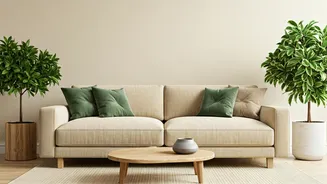
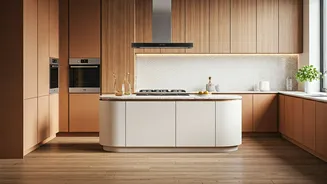
The easiest way to dip your toes into the earth-tone trend is by rethinking your neutrals. For years, cool, blue-toned grays and brilliant whites were the go-to default for walls and large furniture. Now, designers are favoring warmer alternatives. Instead of stark white, consider a creamy off-white, a soft beige, or a light taupe. These colors provide a versatile backdrop that feels instantly more welcoming and less clinical than their cooler counterparts. A warm neutral on the walls can make a room glow in natural light and feel cozier at night. It also provides the perfect canvas for layering other, richer earth tones through textiles, art, and decor.
Embrace Terracotta and Clay
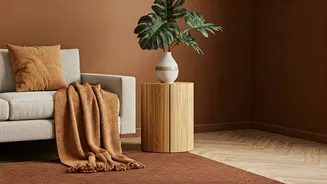
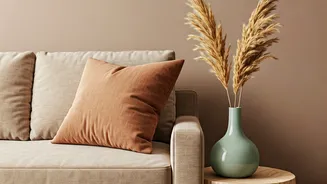
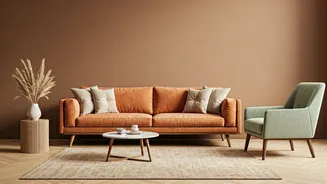
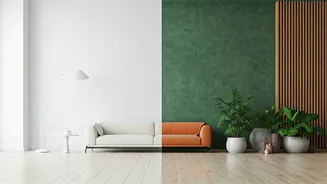
Perhaps no color is more synonymous with the earth-tone trend than terracotta. Ranging from pale, sun-bleached pink to a deep, rusty red-brown, this versatile shade brings instant warmth and a touch of rustic, worldly character to any room. You don't have to paint an entire room to get the effect. Start small with terracotta-colored throw pillows, planters, or a cozy knit blanket. For a bolder statement, a single accent wall in a matte, chalky terracotta finish can anchor a living room or bedroom, creating a focal point that is both dramatic and comforting. This color pairs beautifully with creamy whites, deep greens, and natural wood tones.
Bring Nature Inside with Greens
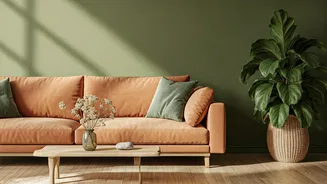
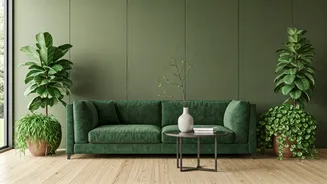
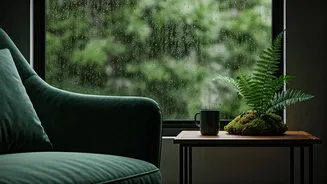
Green is nature’s neutral, and its earthier variations are central to this design movement. Move away from bright, zesty lime and toward more muted, complex greens. Sage green has become a modern classic for its calming, spa-like quality, perfect for bedrooms, bathrooms, and kitchens. Olive green offers a sophisticated, mid-century vibe, working beautifully on a velvet sofa or painted cabinetry. For a moodier, more enveloping feel, consider a deep forest or moss green. These colors connect us directly to the outdoors, reducing stress and promoting a sense of well-being. And, of course, the easiest way to bring in green is with actual plants, which add life, texture, and color.
Layer with Rich Browns and Ochre
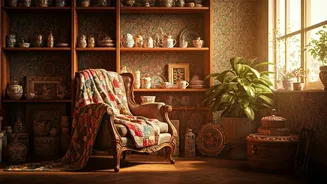
To prevent an earth-toned palette from feeling flat, it's essential to include a range of light, mid, and dark tones. Rich, deep browns are the perfect grounding element. Think of a chocolate brown linen sofa, a dark walnut coffee table, or even deep brown velvet curtains. These darker shades add depth, contrast, and a sense of richness to a room. Alongside brown, pops of golden ochre or mustard yellow can act as a highlight. A single ochre armchair or a piece of abstract art with yellow accents can lift the entire palette, mimicking the way sunlight hits the earth and adding a touch of energy and optimism to the space.
Focus on Natural Textures
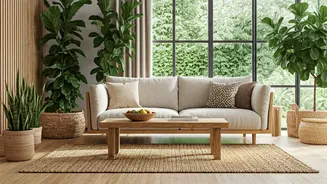
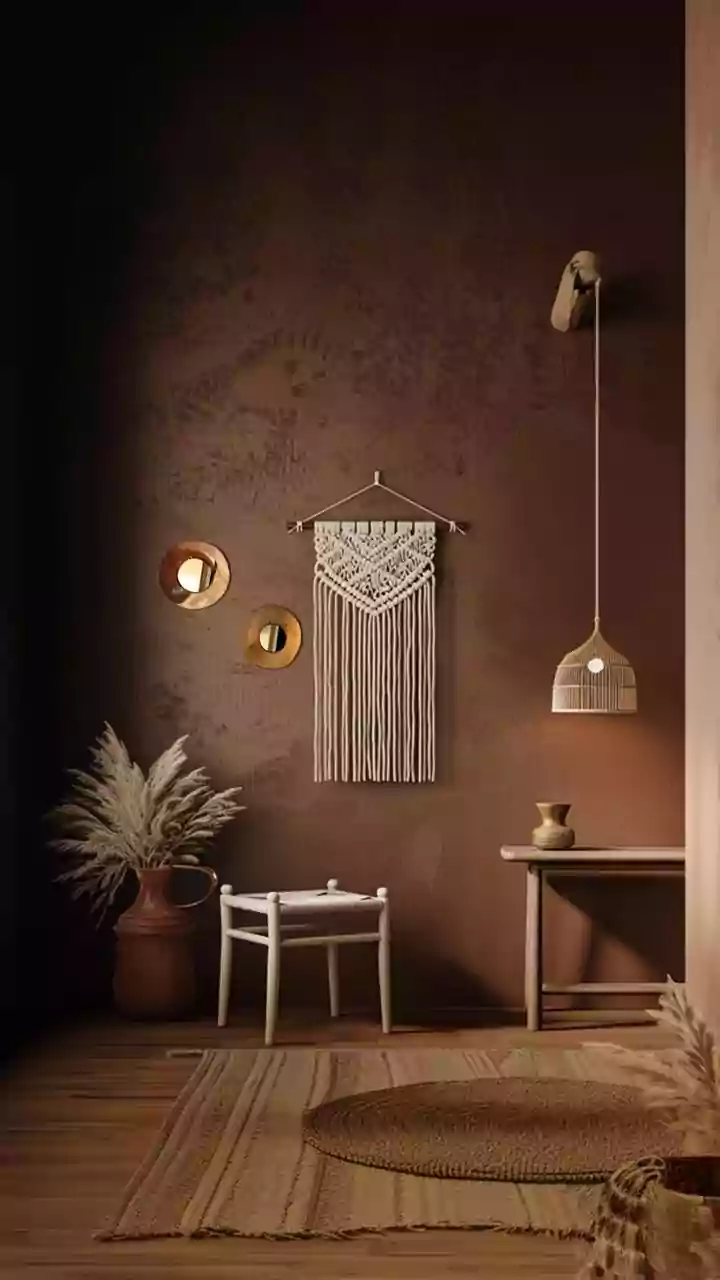
An earth-tone palette is as much about feel as it is about color. To truly make the look successful, you need to incorporate a variety of natural textures. This is what gives the style its depth and sensory appeal. Think about materials like unfinished wood, rattan, jute, linen, wool, and clay. A nubby wool rug underfoot, a wrinkled linen duvet on the bed, and a ceramic vase with a slightly rough finish all contribute to the overall organic and grounded feeling. These textures catch the light in different ways and invite touch, making the space feel layered, lived-in, and fundamentally human.