




More Than Just a Pretty View
For years, the hierarchy of apartment amenities was predictable. Stainless steel appliances, hardwood floors, and maybe an in-unit washer/dryer topped the list. But a subtle shift, accelerated by the pandemic, has reordered our priorities. After months
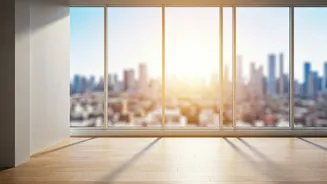
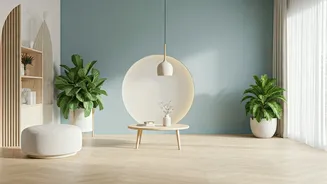
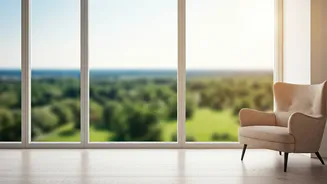
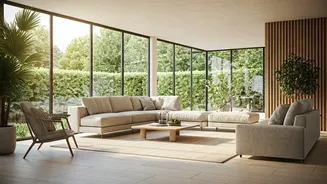
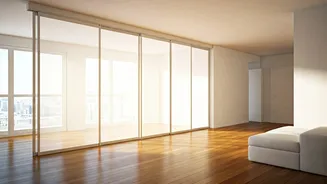
spent inside, our collective craving for space, openness, and a connection to the outside world has skyrocketed. Large windows are the most direct architectural answer to that desire. They transform a room, making even a small studio feel expansive and airy. They erase the hard line between our curated indoor lives and the dynamic world outside. A wall of glass doesn’t just offer a view; it offers a sense of participation in the city's life, even from the quiet sanctity of your living room. It’s a feature that’s less about the object itself and more about the feeling it creates: one of freedom, luxury, and breathing room in often-cramped urban environments.
The Science of Sunlight
This trend isn't just about aesthetics; it's rooted in the growing wellness movement and the concept of 'biophilic design'—the idea that humans have an innate need to connect with nature. Sunlight isn't just pleasant; it's a biological necessity. Exposure to natural light helps regulate our circadian rhythms, which in turn improves sleep quality, boosts mood, and can even increase productivity. Studies have shown that ample daylight can reduce stress and anxiety, making our homes feel more like restorative sanctuaries. Architects and developers have taken note, incorporating 'wellness architecture' into new high-end buildings. In this context, a floor-to-ceiling window isn't just a design choice; it's a wellness tool. It’s a passive way to improve your mental and physical health simply by living in a space that’s flooded with daylight. This transforms the window from a simple building component into a key feature for a healthier lifestyle, and selling health is a powerful marketing tool.
An Expensive and Obvious Flex
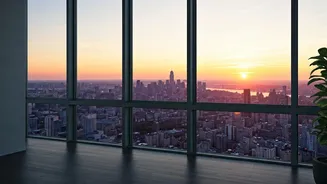
Let’s be honest: it’s also about status. Giant windows are an unmistakable signal of wealth and exclusivity. First, they are expensive. Large panes of high-performance, insulated glass are a significant construction cost, immediately placing a building in a higher tier. Second, they imply a great view, which means the apartment is likely on a high floor or in a prime location, both of which come with a hefty price tag. You don't install a wall of glass to look at a brick wall ten feet away. In the age of social media, a sun-drenched apartment with a panoramic city skyline is the ultimate backdrop. It’s a visual shorthand for success that requires no explanation. While a designer handbag might be a 'stealth wealth' signal to those in the know, a massive window is a loud, clear, and very public declaration. It says, 'I live here, above it all, with nothing to hide.' It has become the architectural equivalent of a front-row seat.
The Glare of Reality
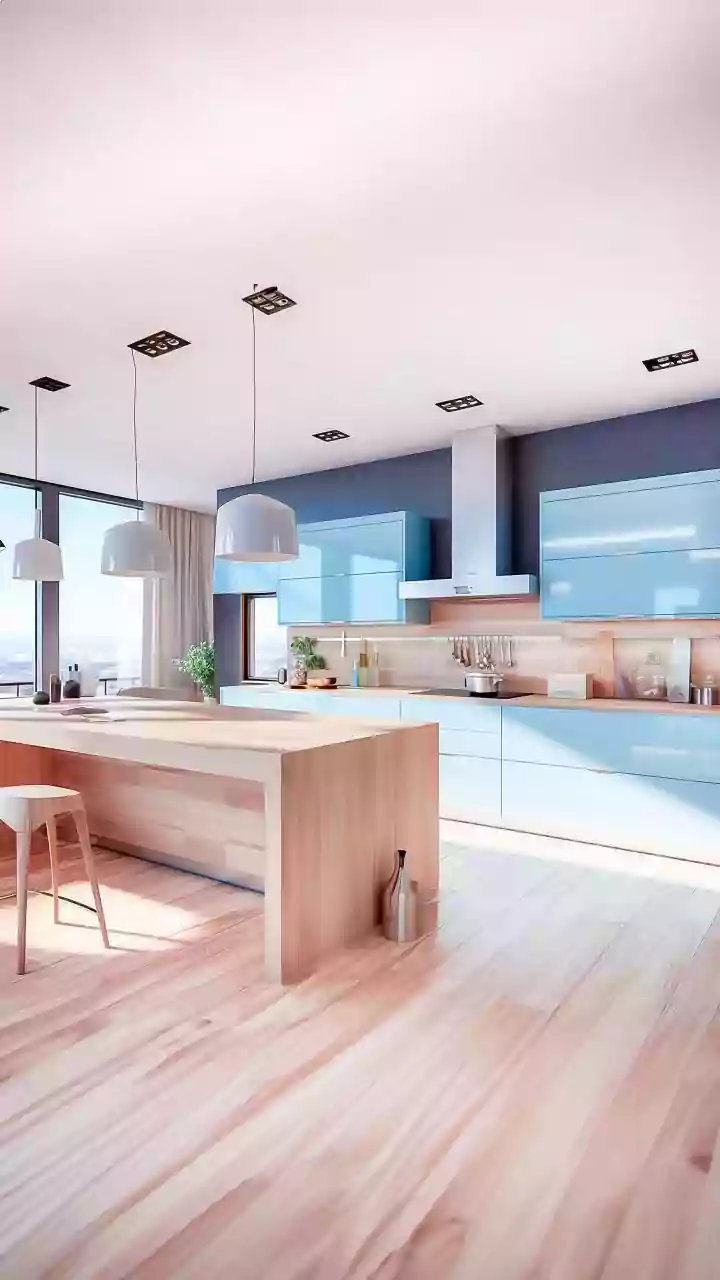
Of course, living in a glass box isn't without its downsides. The very thing that makes large windows so desirable—the abundance of light—can also become a problem. Unfiltered sun can lead to intense glare, making it hard to see screens, and can cause significant heat gain, sending summer air conditioning bills soaring. Conversely, glass is a poorer insulator than a wall, which can mean higher heating costs in the winter. Then there’s the issue of privacy. While you’re looking out, others might be looking in, necessitating expensive, often motorized, blinds or curtains that can feel like they defeat the purpose. Finally, all that glass needs to be kept clean, especially in a city, turning window washing from a minor chore into a significant, and sometimes professional, undertaking. The flex, it turns out, comes with its own set of practical and financial considerations.