

The End of the ‘Show Home’
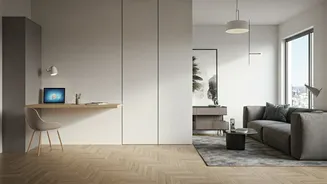
Step inside a stylish, contemporary home in Mumbai, Delhi, or Bengaluru today, and you’re less likely to find the stark, impersonal perfection of a showroom. The prevailing trend is a decided shift away from both sterile minimalism and the heavy, formal
dark-wood interiors of a previous generation. Instead, a new aesthetic is blossoming—one that values personal stories over brand names and lived-in comfort over untouchable polish. This isn’t about chasing a flawless look; it’s about curating a space that feels like a genuine reflection of the people who live there. Designers and homeowners are embracing what can be called “the new Indian eclectic,” a style defined by layers, memories, and the beautiful imperfections of a life well-lived. It’s a home that feels like an exhale, not a performance.
A Rich Tapestry of Textiles
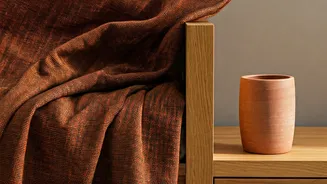
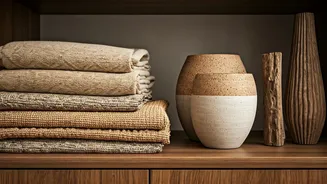
At the heart of this warmth is a renewed love for India’s unparalleled textile heritage. Forget a single, lonely throw pillow. These homes are rich with layered fabrics that invite touch. You’ll see sofas draped in soft, hand-loomed cottons, beds adorned with intricate *kantha* stitched quilts, and windows framed by breezy, block-printed curtains from Rajasthan. It’s a symphony of textures: the slight roughness of jute rugs underfoot, the smooth gleam of silk cushions, and the plush depth of velvet upholstery in jewel tones like emerald or sapphire. This embrace of textiles is about more than just decoration; it’s about wrapping a room in comfort and character, using patterns and weaves that carry generations of artisanal history.
The Soul of the Artisan
Mass-produced decor is taking a backseat to unique, handcrafted objects that tell a story. This trend champions the work of local artisans, bringing a human touch into every corner. It might be a collection of handmade terracotta pottery, a set of brass *dhokra* figurines from Eastern India, or a hand-carved wooden screen separating two spaces. These are not just accessories; they are focal points imbued with the spirit of their maker. By choosing artisanal pieces, homeowners are not only supporting heritage crafts but are also filling their spaces with objects that have a soul. This focus on craftsmanship ensures that no two rooms are exactly alike, celebrating individuality over cookie-cutter trends and creating a direct link between a modern home and its cultural roots.
Where Old Meets New with Grace
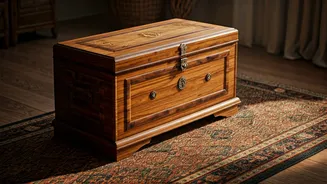
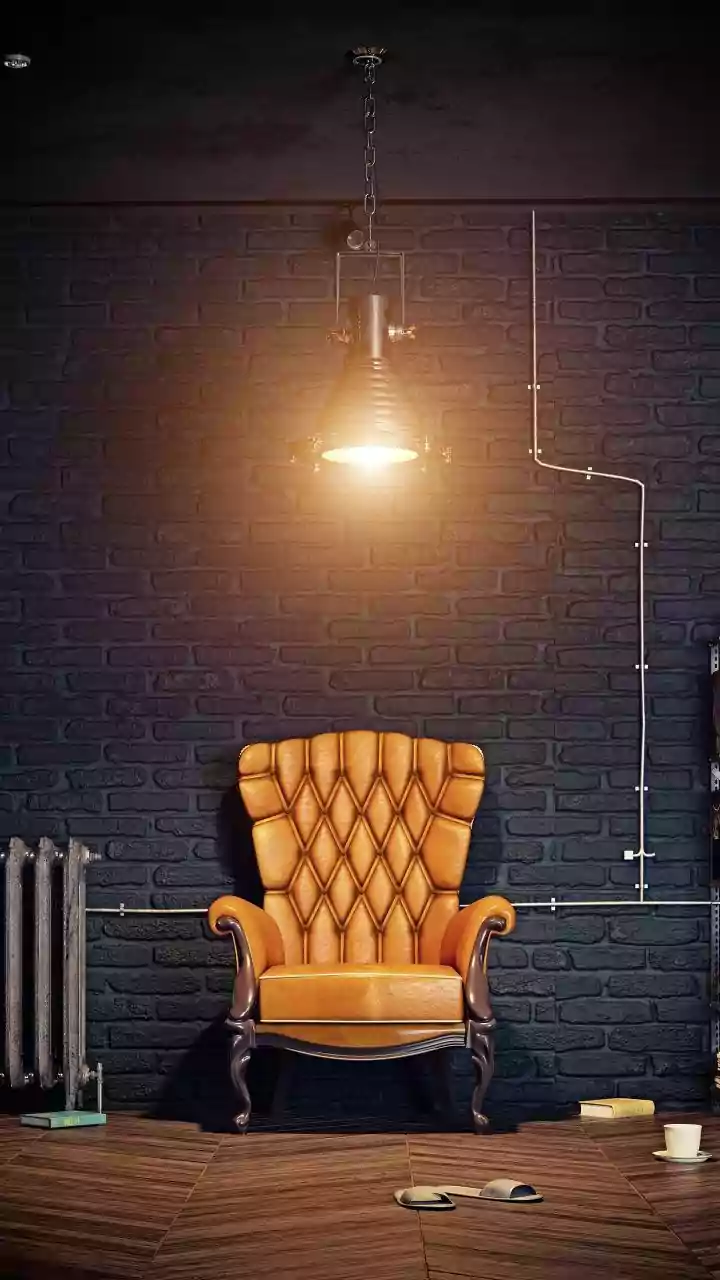
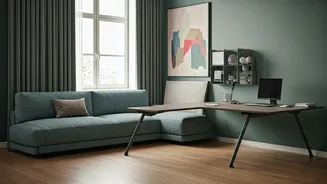
The most personal spaces are those that honor the past while living in the present. In this new wave of Indian design, there’s no conflict between a sleek, modern sofa and a vintage, heirloom armchair inherited from a grandparent. In fact, the combination is celebrated. You might find a contemporary dining table surrounded by antique chairs, or a modern media console displaying black-and-white family photographs alongside contemporary art. These juxtapositions create a dynamic, layered look that speaks to lineage and personal history. An old brass trunk becomes a coffee table, a grandfather’s writing desk finds a new life as a vanity. This blending of eras is the ultimate expression of personal warmth, grounding a home in memory and making it a living archive of a family’s journey.
A Modern, Earthy Palette
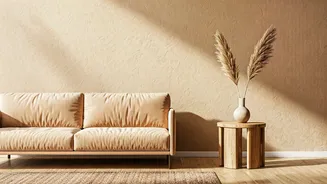
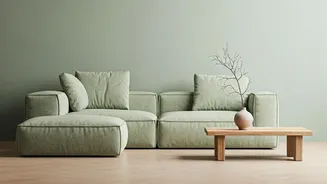
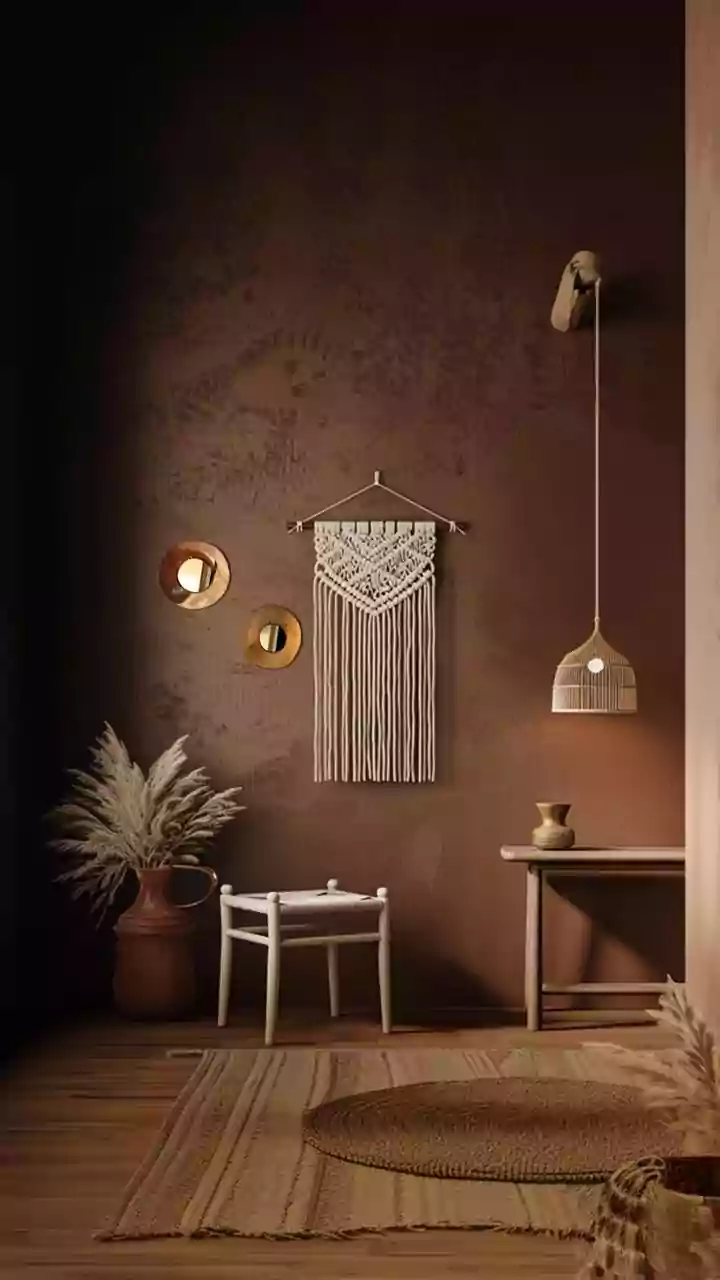
While Indian design is often associated with a riot of bright color, the current trend is more nuanced. The foundation is often a warm, earthy palette that feels both calming and sophisticated. Think walls painted in shades of terracotta, ochre, dusty rose, and muted sage green. These organic tones create a serene backdrop that makes other elements pop. The vibrant colors haven't disappeared—they’ve just become more intentional. A splash of brilliant indigo in a rug, a pop of fuchsia in a piece of art, or the rich maroon of a velvet armchair serves as a powerful accent against the earthy base. This thoughtful use of color creates a space that is vibrant without being overwhelming, proving that warmth can be both energetic and deeply comforting.