



The New Summer Normal
It’s not just your imagination; summers are getting hotter, longer, and more intense. With climate change driving global temperatures to new heights, what were once occasional heat waves are now becoming the defining feature of the season for huge swaths
of the United States. Heat domes, triple-digit temperatures, and oppressive humidity are no longer freak weather events but an expected part of June, July, and August. This sustained exposure to extreme heat isn't just uncomfortable; it's a significant stressor on both our physical and mental health. It disrupts sleep, zaps energy, exacerbates health conditions, and can lead to a general sense of being worn down and irritable. We are, quite simply, not built to thrive in a permanent state of atmospheric pressure-cooking.
From Luxury to Lifeline
This constant thermal battle is fundamentally reframing what a vacation means. For generations, the classic summer trip was often about chasing the sun—a beach resort in Florida, a poolside retreat in Arizona. But when your home city already feels like the surface of the sun, the appeal of adding more heat to the equation vanishes. Instead, a new travel motivation is emerging, one rooted in a search for basic comfort. A trip to a place where you can sleep under a blanket, walk outside without wilting, and breathe crisp, cool air is starting to feel less like a frivolous indulgence and more like a form of essential self-care. It’s a strategic retreat, a temporary reprieve that allows the body and mind to recover and reset from the cumulative exhaustion of a hot climate.
The Rise of the "Coolcation"
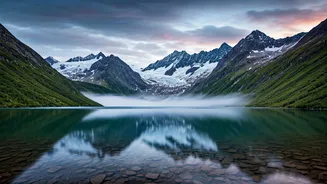
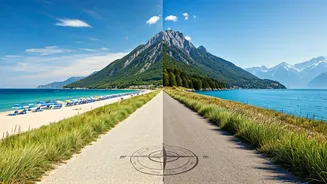
The travel industry has a name for this trend: the “coolcation.” Travel agents and booking sites are reporting a noticeable shift in demand. Searches for destinations in cooler northern latitudes and higher altitudes are surging during the summer months. While Mediterranean hotspots and Caribbean beaches once dominated summer travel brochures, they are now seeing competition from places like Iceland, Scandinavia, Canada, and cooler regions within the U.S. itself. This isn't just about avoiding the worst of the heat; it's about actively seeking out its opposite. The new definition of a dream getaway for many is a place where a light jacket is a sensible packing choice, not an absurdity.
Mountain Escapes
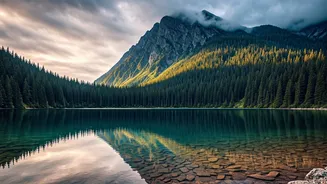
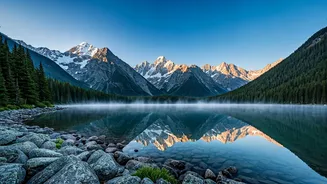
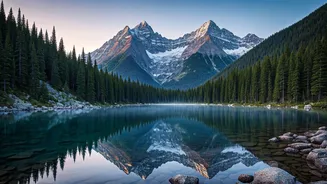
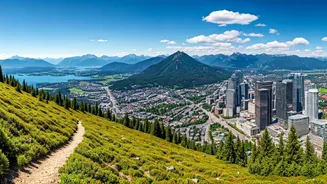
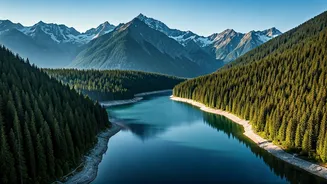
For Americans looking for domestic relief, the mountains are calling. Higher elevations offer a natural escape hatch from the heat. As a rule of thumb, the temperature decreases by about 3 to 5 degrees Fahrenheit for every 1,000 feet you climb. This makes mountain towns in the Rockies, the Appalachians, or the Sierras prime real estate for a coolcation. Think of places like Asheville, North Carolina, with its vibrant arts scene and Blue Ridge Parkway access; Park City, Utah, which trades ski lifts for mountain biking and hiking trails in the summer; or the Adirondacks in New York, where days are spent by the lake and nights are genuinely cool. The appeal is the ability to be active outdoors—hiking, fishing, or simply enjoying a coffee on a porch—without risking heatstroke.
Northern Latitudes and Coastlines
If mountains aren't your style, look north. The entire upper tier of the U.S. provides a fantastic buffer against extreme southern heat. The Pacific Northwest, with its moody, magnificent coastline and deep evergreen forests around Seattle and Portland, offers a dramatic change of scenery and climate. In New England, the coastal towns of Maine, the islands of Massachusetts, and the green hills of Vermont promise cool breezes and lower humidity. And don't forget the Great Lakes region. Michigan’s Upper Peninsula, Wisconsin’s Door County, and the shores of Lake Superior are underrated gems, offering vast freshwater seas, charming towns, and weather that rarely requires more than a sweatshirt in the evening.