


Build a Cohesive Color Palette
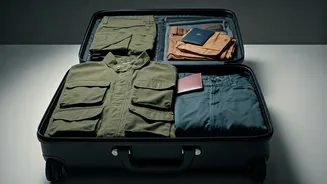
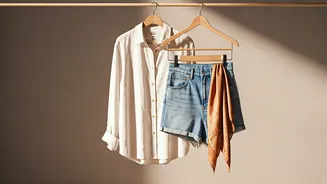
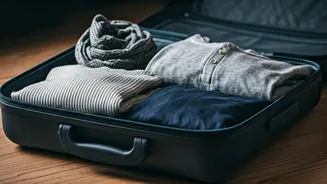
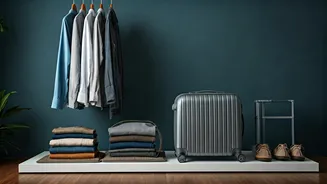
The foundation of any successful travel wardrobe is a tight, intentional color scheme. Before you pack a single item, choose two or three neutral base colors—like black, navy, cream, or beige—and one or two complementary accent colors. This simple discipline
is a game-changer. When every top can be worn with every bottom, your outfit combinations multiply exponentially without adding bulk. You're no longer packing specific 'outfits'; you're packing a collection of interchangeable pieces. This instantly eliminates the morning dilemma of 'what goes with this?' and ensures that no matter what you pull out of your suitcase, it looks coordinated and deliberate. A splash of terracotta, olive green, or dusty blue can add personality to a reliable base of black and white, giving you variety without the chaos.
Prioritize Versatile, Quality Fabrics
Looking polished has as much to do with texture and drape as it does with style. When you're living out of a suitcase, fabrics that wrinkle just by looking at them are your worst enemy. A crumpled linen shirt can look charmingly rustic, but a wrinkled polyester blouse just looks messy. Prioritize high-quality, wrinkle-resistant materials. Merino wool is a travel superstar; it regulates temperature, resists odor, and rarely creases. Tencel, modal, and certain high-tech synthetic blends also travel beautifully, maintaining their shape and smoothness. A simple, well-made cotton-blend tee will look far more polished after a long travel day than a flimsy, see-through alternative. Investing in a few pieces made from these workhorse fabrics means you'll spend less time steaming and more time exploring.
Master the 'Third Piece' Rule
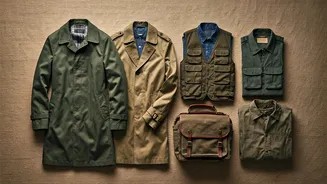
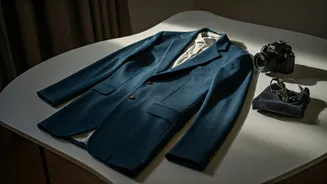
The difference between a basic outfit and a styled 'look' often comes down to a single element: the third piece. This is the item you add to your core top-and-bottom combination to give it structure, polish, and intent. For travel, this could be a tailored blazer, a classic trench coat, a structured denim jacket, or a long, elegant cardigan. A simple black t-shirt and jeans is just that—a t-shirt and jeans. But add a sharp blazer, and suddenly it's a chic ensemble suitable for a museum visit or a nice dinner. This piece should be one of your most versatile, capable of elevating casual looks or adding a relaxed layer over a dress. It ties everything together and signals that your outfit was a choice, not an accident.
Invest in Multi-Tasking Footwear
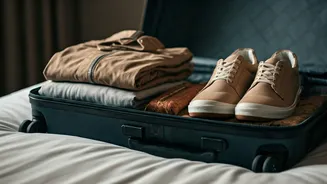
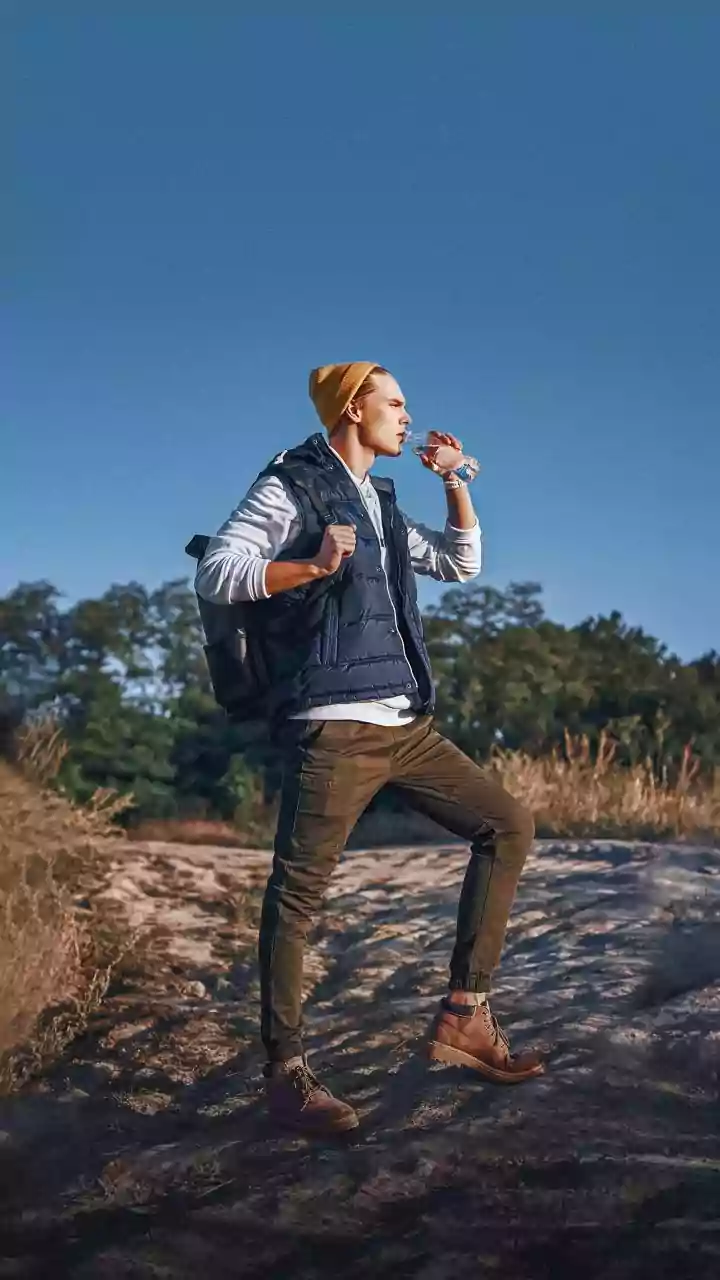
Shoes are the bulkiest items in any suitcase, making them the most critical area for minimalist editing. The goal is to cover all your bases with no more than three pairs. First, you need a comfortable, stylish walking shoe. This could be a sleek, low-profile leather sneaker or a classic loafer—something that can handle miles of city streets without screaming 'tourist.' Second, pack a smarter option for evenings, like a chic ballet flat, a block heel, or an elegant sandal. Finally, depending on your destination, a third pair might be functional (like a waterproof boot) or situational (like an espadrille for a beach resort). The key is that each pair should be able to work with multiple outfits, bridging the gap between casual daytime and polished nighttime looks.
Accessorize with Intention, Not Volume
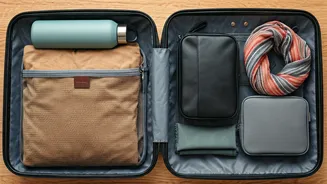
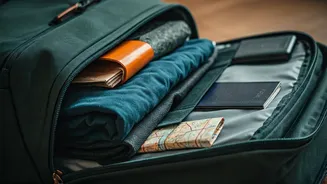
Accessories are the secret weapon of the minimalist traveler. They take up minimal space but deliver maximum impact, allowing you to completely change the feel of a core outfit. Instead of packing multiple statement pieces, focus on a few classic, versatile items. A beautiful silk scarf can be tied around your neck, on a handbag, or in your hair. A timeless leather belt can cinch a dress or polish a pair of trousers. A pair of classic gold hoops or a simple pendant necklace works with everything. These small touches are what personalize your uniform and prevent a minimalist wardrobe from feeling boring. They add a point of interest and an air of sophistication without contributing to the clutter in your luggage.