







What Is the Ultra-Light Packing Challenge?
You’ve seen the videos on TikTok and Instagram: travelers smugly striding past the baggage carousel with nothing but a small backpack. This is the ultra-light packing challenge in action. The goal is simple: fit your entire trip’s worth of essentials
into a single “personal item”—the small bag that budget airlines like Spirit, Frontier, and Allegiant let you bring on board for free. It means skipping not only the checked suitcase but also the paid carry-on roller bag that lives in the overhead bin. More than just a minimalist trend, it’s a direct response to the escalating fees that have become standard in air travel. By treating packing like a puzzle, travelers are transforming a frustrating expense into a satisfying game, proving that freedom from baggage fees is the ultimate travel luxury.
The Real-World Savings Add Up Fast
The primary motivation for this challenge is cold, hard cash. Let's break down the numbers. On a typical budget airline, a carry-on bag can cost anywhere from $45 to $90 each way, depending on when and where you buy it. A checked bag is often in the same price range. For a couple flying round-trip, paying for two carry-on bags could add a staggering $180 to $360 to their total cost. That's money that could be spent on a few nice dinners, a memorable excursion, or even another flight. By committing to the free personal item, you are effectively giving yourself a massive discount on your vacation before you even leave home. The savings are immediate, tangible, and for many, completely worth the effort of strategic packing.
Your Most Important Tool: The Right Bag
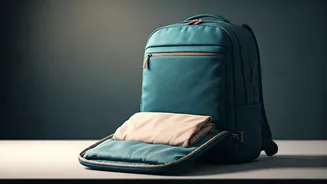
Success starts with your bag. The personal item size limit is non-negotiable and varies slightly by airline, so always check before you fly. Spirit Airlines, a popular carrier for this hack, currently specifies dimensions of 18 x 14 x 8 inches. Frontier's are similar. Your best bet is a soft-sided backpack or duffel that can squish into the sizer if necessary. Look for bags specifically designed as “underseat” or “personal item” luggage. Key features to seek out include a large main compartment without too many rigid dividers, a 'trolley sleeve' on the back to slide over a roller bag handle (for future trips where you need more), and easy-access front pockets for your wallet and phone. A boxy, efficient shape maximizes volume, letting you use every available cubic inch.
Building Your Capsule Wardrobe
The secret to packing light is not bringing fewer things, but bringing smarter things. A “capsule wardrobe” is a small collection of versatile items that can be mixed and matched to create multiple outfits. The '5-4-3-2-1' rule is a great starting point for a week-long trip: five tops, four bottoms (or a mix of bottoms/dresses), three pairs of shoes (wear the bulkiest), two accessories (like a scarf or belt), and one jacket. Choose a neutral color palette (black, navy, beige) and add personality with one or two accent colors. Fabrics are key. Merino wool is a travel superstar: it’s lightweight, resists wrinkles and odors, and regulates temperature. Ditch the 'just in case' mindset. Pack only what you know you will wear.
Mastering the Art of Compression
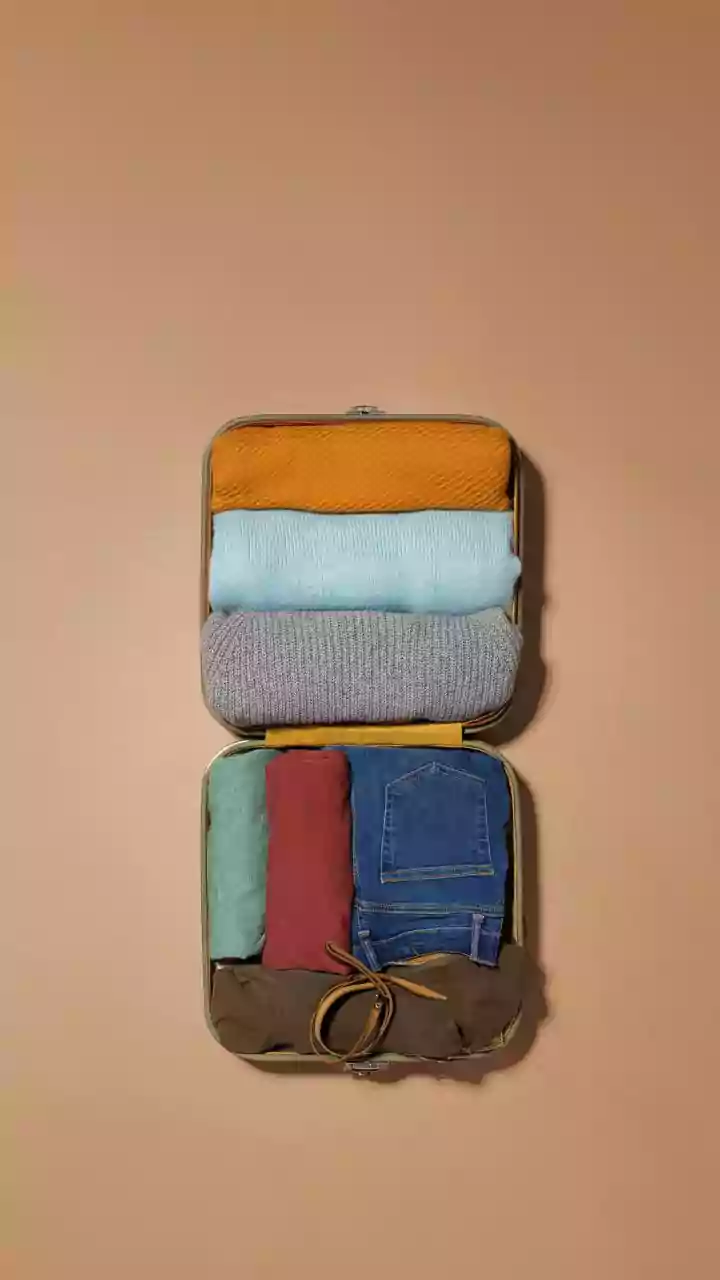
Once you've chosen your items, it's time to make them fit. This is where technique comes in. First, embrace solid toiletries. Shampoo bars, conditioner bars, solid perfume, and toothpaste tablets eliminate the need for TSA-approved liquid bags, saving a surprising amount of space. For any remaining liquids, decant them into the smallest possible containers. Next, learn to 'Ranger roll' your clothes. This military-style rolling technique compresses fabric tightly and helps prevent wrinkles. For even more space-saving magic, invest in a set of compression packing cubes. These zippered pouches allow you to squeeze the air out of bulky items like sweaters and pants, often reducing their volume by half. Finally, use every bit of space. Stuff socks inside your spare shoes, and tuck small items into every nook and cranny of the bag.